Strata Garden Maintenance · Sydney
What a neglected strata garden actually costs your building — and how to fix it fast
Eastern Suburbs Strata Garden Maintenance: Missed visits, no reports, zero communication — when a garden contractor repeatedly lets your strata down, the damage goes far deeper than overgrown hedges. Here’s the real financial and legal cost of neglect, and what a Coogee building finally did to turn it around.
Eastern Suburbs strata garden maintenance is one of those responsibilities that rarely gets the attention it deserves — until something goes wrong. When contractors have promised the world and delivered very little, it’s easy to assume poor results are just a normal part of strata life.
It isn’t. And the costs of letting it continue — both visible and hidden — are far greater than most committees realise.
This post walks through those costs honestly, using a real case from a strata property in Coogee as a guide. If you’re a strata manager, a committee member, or a property owner who’s had enough of unreliable contractors, this is written for you.
The Coogee Strata: How One Building Finally Got It Right
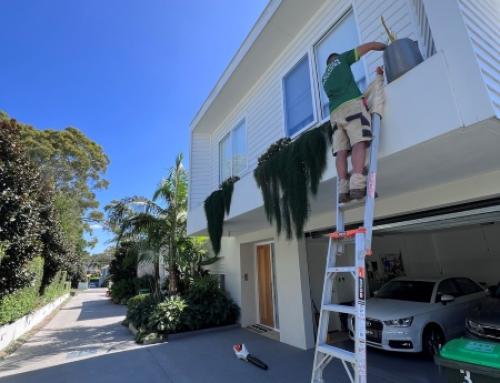
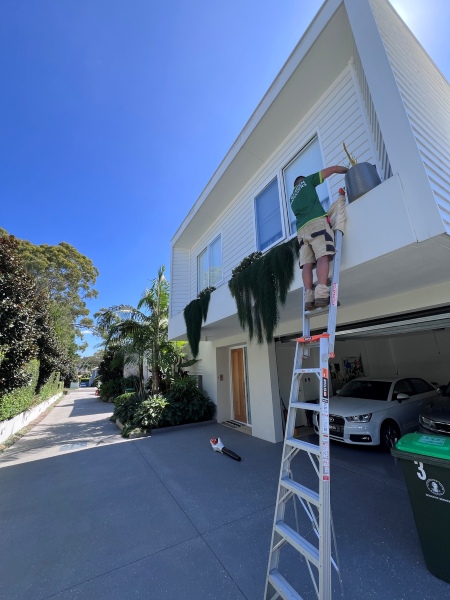
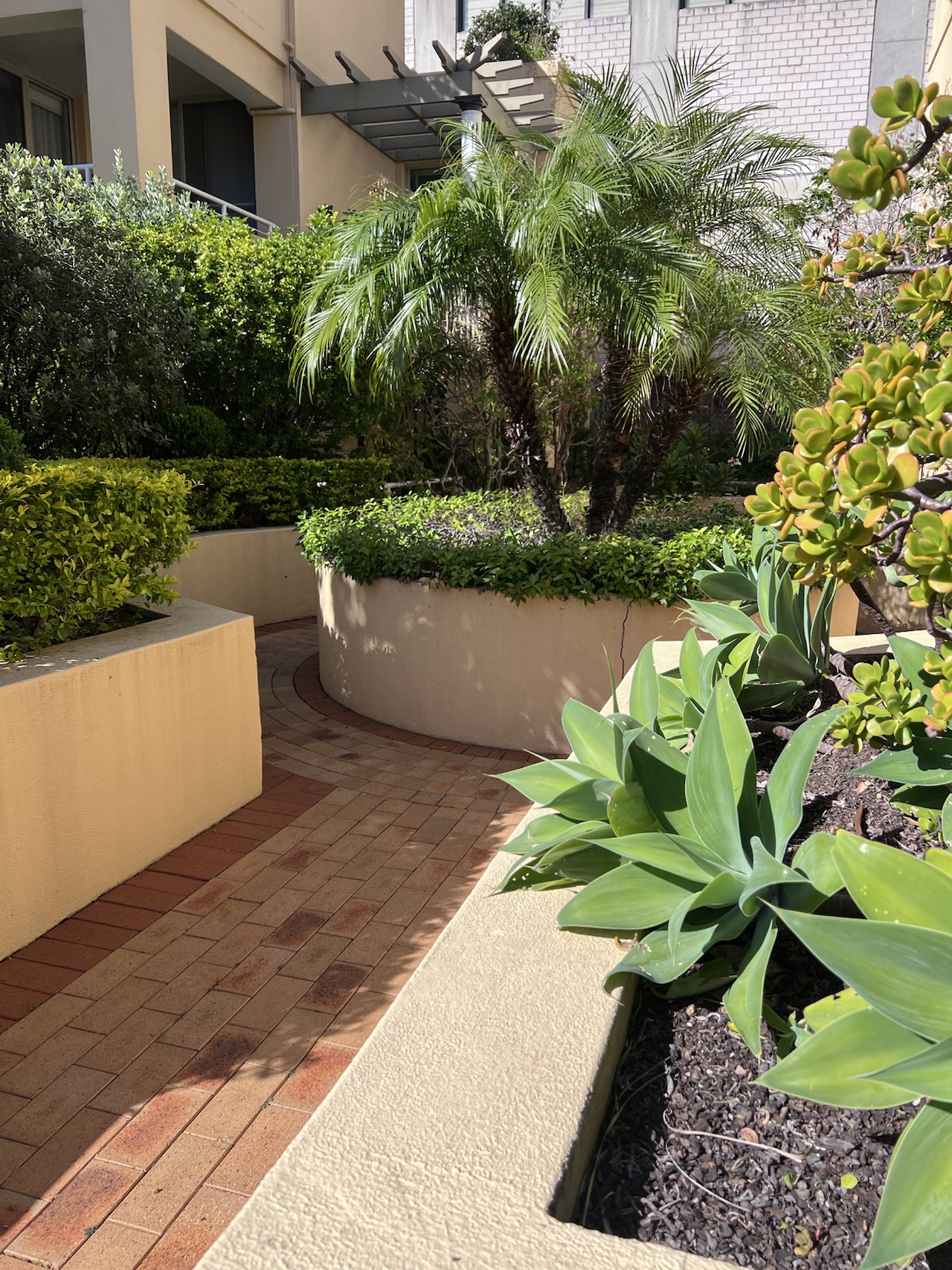
Earlier this year, a strata property in Sydney’s Eastern Suburbs recognised that a Coogee strata property under their management deserved better than what the market had been delivering. Despite the building’s existing garden contractors going through the motions, the results simply weren’t there. The strata management took the initiative to reassess, set a higher standard, and brought Garden Managers in to start fresh.
That decision revealed something we see more often than we’d like. Before our engagement, the garden had been serviced by a succession of contractors whose work followed the same pattern: a reasonable start, then gradual deterioration — irregular visits, incomplete work, no documentation, and no communication between visits. The strata manager was left in the dark, with no way to verify what had or hadn’t been done.
What we found on arrival told the story clearly: compacted soil, an irrigation system that hadn’t been inspected in over 18 months, two trees with overhanging limbs posing a genuine safety risk, and plant beds so overtaken by weeds that several original specimens had been completely smothered.
This is what contractor complacency quietly does to a garden. And it’s exactly the kind of problem that proactive strata management is right to call out and correct.
What neglect actually costs: the numbers most strata managers don’t see
The problem with neglected garden maintenance is that most of the costs are invisible until they become emergencies. Here’s a breakdown of the true financial impact — using Sydney strata market data and our own experience working with Coogee and broader Sydney properties.
Property value reduction linked to poor common-area presentation in residential strata
Typical cost of a single emergency arborist callout for a hazardous tree in a Sydney strata
How long the Coogee property’s irrigation system had gone without a professional inspection
Lower long-term maintenance cost when native, climate-appropriate plants are properly established
1. Property value and tenant appeal
Curb appeal is not a soft metric. Overgrown hedges, dead lawn patches, and neglected garden beds directly affect how prospective buyers and tenants perceive a strata building. In competitive Sydney suburbs like Coogee, the difference between a well-maintained garden and a neglected one can mean apartments sitting vacant longer, or selling below comparable buildings in the same street.
2. Emergency remediation costs
Deferred maintenance becomes emergency expenditure. Trees that aren’t regularly inspected and trimmed can develop overhanging limbs that pose a safety risk — requiring urgent arborist intervention, which is significantly more expensive than scheduled pruning. Irrigation systems left unchecked spring leaks that go unnoticed for months, driving up water bills and creating soil erosion. Weed growth that’s allowed to establish requires far more labour to clear than regular weeding prevention.
| Issue | Preventive cost (per year) | Emergency/remediation cost |
|---|---|---|
| Tree trimming & inspection | $400–$800 | $2,000–$8,000 (emergency removal) |
| Irrigation maintenance | $300–$600 | $1,200–$4,000 (leak damage + repair) |
| Weed control | Included in regular visits | $800–$3,500 (full clearance after establishment) |
| Seasonal mulching | $350–$700 | $600–$1,800 (soil rehabilitation after dehydration) |
| Plant replacement | Minimal (healthy plants maintained) | $1,500–$6,000+ (full bed replanting) |
3. Legal obligations under the SSMA 2015
This one surprises many strata committees. Under the Strata Schemes Management Act 2015 (NSW), the owners corporation has a legal obligation to maintain common property — which includes all shared garden areas — in good condition. A neglected garden isn’t just a cosmetic problem; it can expose the owners corporation to liability if, for example, an overhanging tree limb causes property damage or injury, or if drainage problems from unmaintained garden beds contribute to building issues.
Proper documentation — including visit reports and photographic records — is also your protection if disputes arise. When contractors don’t provide reports, the owners corporation has no evidence of what maintenance has or hasn’t occurred.
“When strata commitee decided enough was enough and brought in a new contractor, there wasn’t a single visit report on file from the previous team. No records, no recommendations, no accountability — just a garden that showed every missed visit.”
Why so many strata gardening contractors keep letting buildings down
The Coogee situation wasn’t unique. Across our work on strata properties throughout Sydney, the same failure modes appear again and again. Understanding them helps strata managers and committees avoid repeating the cycle when they’re looking for a new provider.
Inconsistency of visit scheduling
Many small gardening contractors overcommit. They take on more strata properties than they can service properly, and visits become irregular — especially during busy spring and autumn seasons when demand peaks. The strata gets deprioritised. No one notices until the garden is visibly deteriorating.
No communication structure
A gardener who visits and leaves without any record is essentially invisible. The strata manager doesn’t know what was done. The committee can’t verify that work matches what was invoiced. Issues identified on-site (a dying tree, a blocked drainage channel, a pest infestation beginning) go unreported and therefore unaddressed.
Lack of horticultural knowledge
Mowing and whipper-snipping are not the same as garden management. Without genuine horticultural knowledge, a contractor can’t advise on plant selection, soil health, seasonal fertilising, or irrigation strategy. The garden is maintained at surface level only — and slowly declines beneath that surface.
No proactive recommendations
A great strata garden contractor doesn’t wait to be told what to do. They notice early signs of problems — a pest, a nutrient deficiency, a drainage concern — and flag them before they become costly. Contractors who show up, mow, and leave offer no advisory value whatsoever.
What the difference looks like: contractors who fail vs. what to expect
If you’re evaluating a new strata garden contractor — or reviewing your current one — this comparison maps exactly what you should expect versus what the Coogee strata had been receiving before Garden Managers stepped in.
| What to evaluate | What the Coogee strata was getting | What professional strata maintenance looks like |
|---|---|---|
| Visit consistency | ✕ Irregular, often missed or unannounced | ✓ Fixed schedule — fortnightly in spring/autumn, monthly in winter |
| Communication | ✕ No updates, unreachable between visits | ✓ Strata manager notified before and after every visit |
| Visit reports | ✕ None — zero documentation over two years | ✓ Written report with photos delivered after each visit |
| Horticultural advice | ✕ No recommendations ever provided | ✓ Seasonal suggestions, plant health assessments, irrigation feedback |
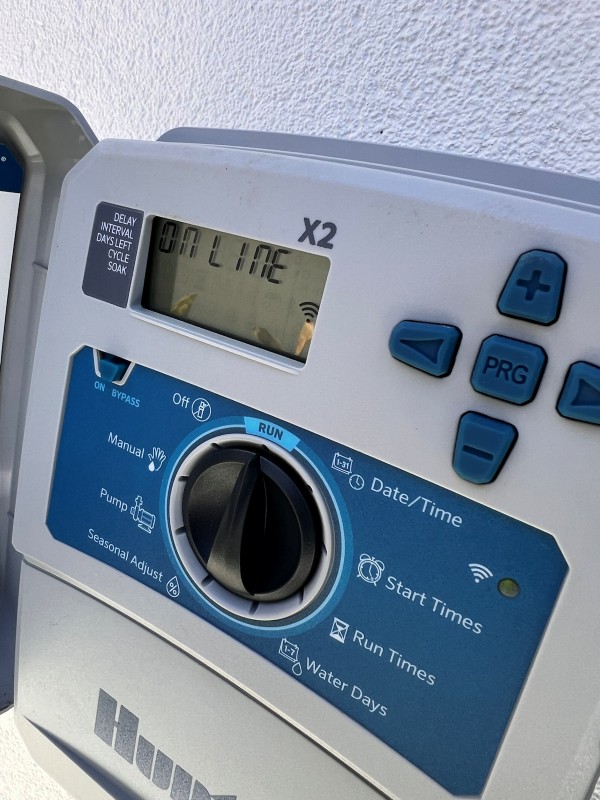
| Irrigation oversight | ✕ Last checked 18+ months prior | ✓ Inspected and adjusted every visit; pressure-tested seasonally |
| Tree & safety checks | ✕ No proactive assessment — hazards unidentified | ✓ Overhanging limbs and hazards flagged at first visit |
| Accountability | ✕ No way to verify what work was actually done | ✓ Photographic records create full audit trail |
| Compliance support | ✕ No documentation for SSMA obligations | ✓ Reports serve as legal evidence of maintenance obligations met |
How to fix a neglected strata garden — the right way
If your building is in a similar position to where that Coogee strata was — overgrown, under-maintained, and without records — here’s how we approached the turnaround, and how you can structure a proper recovery regardless of who you engage.
Step 1: Conduct a thorough initial assessment
Before any maintenance begins, do a full written audit of the garden’s current state. Photograph everything. Document the irrigation system status, identify any trees or plants that need urgent attention, and record the condition of soil, mulch, and drainage. This establishes a baseline and identifies immediate priorities vs. longer-term improvements.
Step 2: Address urgent safety issues first
Overhanging tree limbs, blocked drainage, and trip hazards on pathways are not cosmetic — they’re liability. These should be addressed in the first visit. In Coogee, this meant calling in an arborist to assess and trim two trees before any other maintenance proceeded.
Step 3: Restore soil health and irrigation before planting
It’s tempting to immediately replace dead plants with new ones — but if the soil is compacted and the irrigation system isn’t delivering water correctly, new plants will fail the same way. Aerate and amend the soil first. Test and repair the irrigation. Then replant.
Step 4: Establish a fixed maintenance schedule with written reporting
Agree on a schedule in writing before work begins — including visit frequency by season, specific tasks included in each visit, and how reports will be delivered. Make this a formal part of your contractor agreement. If a contractor won’t commit to written reports, that tells you everything you need to know.
Step 5: Transition to native and low-maintenance species where practical
Native Australian plants — Grevillea, Banksia, Acacia, Leptospermum — require significantly less water, fewer interventions, and are far more resilient to Sydney’s increasingly variable climate. For strata properties, a strategic transition to more native species reduces long-term maintenance costs by 30–40%. This is something we plan in conversation with the committee, not something imposed overnight.
- Ask for a sample report from a current strata client before signing
- Require a minimum public liability insurance of $5M (standard in NSW)
- Insist on a fixed visit schedule written into the contract
- Confirm the contractor holds genuine horticultural qualifications or experience
- Clarify who will be your named contact, and what response time you can expect
- Ask how they handle irrigation systems, seasonal fertilising, and plant health
Strata garden maintenance done properly in Sydney
Garden Managers works with strata properties across Sydney under fixed-price, fully documented maintenance programs. Every visit is followed by a written report with photographs. Every schedule is agreed in writing before work begins. And our team brings genuine horticultural knowledge to every property — not just mowing and a wave goodbye.
If your strata property is currently without a reliable contractor, or you’re tired of chasing updates and seeing no improvement, our strata garden maintenance service is designed specifically for this situation. We also offer full garden maintenance across Sydney for residential properties looking for the same level of care.
We offer a complimentary site review for strata properties new to Garden Managers — so you can understand exactly what the garden needs before committing to anything.
Get a free strata garden review
We’ll visit your Coogee or Sydney strata property, document its current condition, and give you a clear picture of what’s needed — no obligation.
Common questions from strata managers and committees
Who is responsible for strata garden maintenance in NSW?
Under the Strata Schemes Management Act 2015 (SSMA), the owners corporation is responsible for maintaining common property — which includes all shared garden areas, lawns, trees, and irrigation systems. Failing to maintain them is a breach of this legal obligation and can expose the owners corporation to liability if neglect results in damage or injury.
How much does a neglected strata garden cost to restore?
Emergency restoration for a neglected medium-sized strata garden (10,000–25,000m²) in Sydney typically costs $3,000–$12,000 for a single remediation visit, compared to $1,500–$3,500 per month for ongoing professional prevention. Tree failure emergencies and arborist removals can add a further $2,000–$8,000 per incident. The longer neglect continues, the higher the eventual remediation cost.
How often should strata gardens be maintained in Sydney?
Most Sydney strata properties require fortnightly visits during spring and autumn (peak growth seasons) and monthly visits in winter. Irrigation checks, mulching, and seasonal fertilising should be scheduled at least four times per year. The exact schedule depends on the garden size, plant types, and sun/shade conditions of the specific property.
What should a strata garden maintenance report include?
A professional strata garden report should include: work completed during the visit, dated photographs of all areas maintained, any plant health concerns identified, irrigation system status notes, recommended seasonal actions, and a record of any safety hazards (such as overhanging branches or root heave near pathways). This documentation is also your legal record of compliance with the SSMA 2015 common property maintenance obligation.
Can strata garden maintenance costs be claimed through the strata levy?
Yes. Routine garden maintenance of common areas is a legitimate and expected expense covered by the administrative fund component of strata levies. Larger remediation works — such as full replanting or irrigation system replacement — may require a special levy or be drawn from the capital works fund, depending on the quantum and your scheme’s fund balance. Your strata manager should be able to advise on the appropriate funding source.
Useful links
These official NSW Government resources are useful reading for any strata committee member or strata manager dealing with common property maintenance obligations.
Strata repairs and maintenance — NSW Government
The official guide to who is responsible for repairs in a strata scheme, how to request them, and what happens if an owners corporation fails to act. Updated April 2026 to reflect the new Common Property Repairs and Maintenance Compliance and Enforcement Policy, which gives NSW Fair Trading new powers to intervene where maintenance obligations are neglected.
Strata Schemes Management Act 2015 — NSW Legislation
The complete text of the SSMA 2015, including Section 106 — the section that establishes the owners corporation’s legal duty to maintain and keep common property in good and serviceable repair. Essential reference for any committee navigating a maintenance dispute or contractor accountability issue.