What’s Actually Included in Strata Grounds Maintenance?
Most strata contracts say “grounds maintenance” without ever spelling out what that actually means on the day. Here’s a real walkthrough of what’s covered, what a standard visit looks like, and what it costs in Sydney in 2026.
✓ Real visit walkthrough
✓ 2026 pricing
✓ What’s NOT included
Strata grounds maintenance covers four core areas: lawn care (mowing, edging), vegetation management (hedges, shrubs, weed control), hardsurface upkeep (sweeping and blowing pathways, driveways, bin bays, carparks), and seasonal works (mulch top-ups, irrigation checks, green waste removal). For a small to medium Sydney strata block, expect to pay roughly $250–$420 per visit, or $600–$1,800 per month depending on visit frequency. Larger complexes with extensive hedging, palms, or high-rise greenery typically run $2,000–$6,000+ per month.
If you’ve sat through a committee meeting where someone asks “what exactly are we paying for,” you’ll know how vague most grounds maintenance contracts can sound. “Regular garden maintenance” can mean a quick mow and a wave on the way out, or it can mean a genuinely thorough program that protects the asset and keeps the property looking the way it should. The wording rarely tells you which one you’re getting.
So instead of another explainer about why grounds matter (you already know that), this is a straightforward walkthrough of what’s actually involved — written from the side of the people doing the work, not the side writing the contract.
The four things every strata grounds program should cover
Whoever you use, a properly structured strata grounds maintenance program covers four areas. If any of these are missing or vague in your current arrangement, that’s worth raising at your next committee meeting.
1. Lawn care
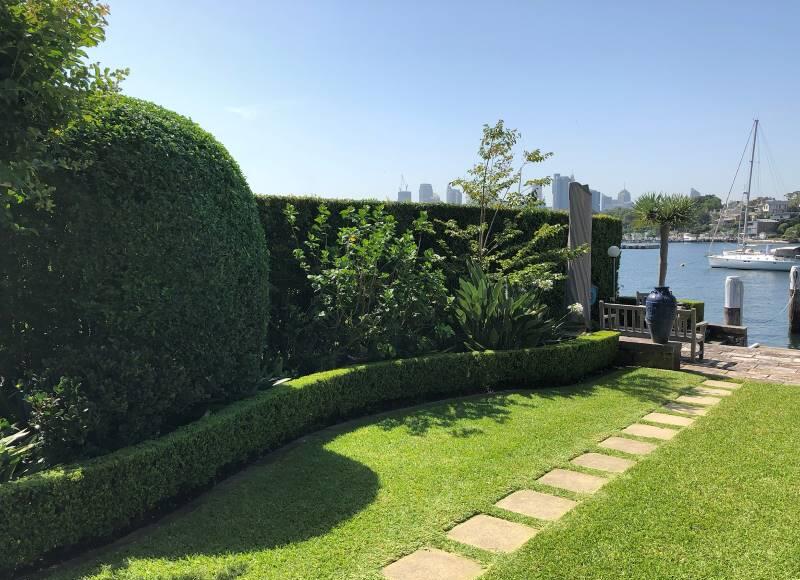
Scheduled mowing, edging along paths and garden beds, and fertilising on a seasonal cycle rather than an ad-hoc one. The detail that actually matters here is edging — it’s the single biggest visual difference between a property that looks “maintained” and one that looks “mowed.” A lawn that’s cut but never edged still looks neglected from the street.
2. Vegetation management
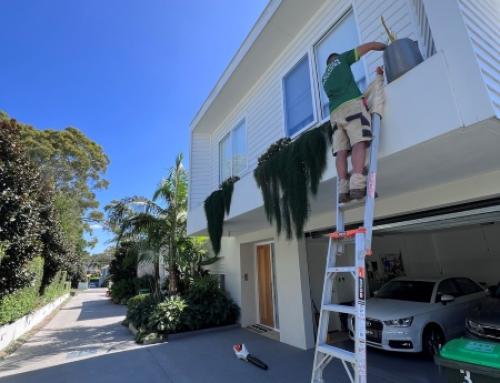
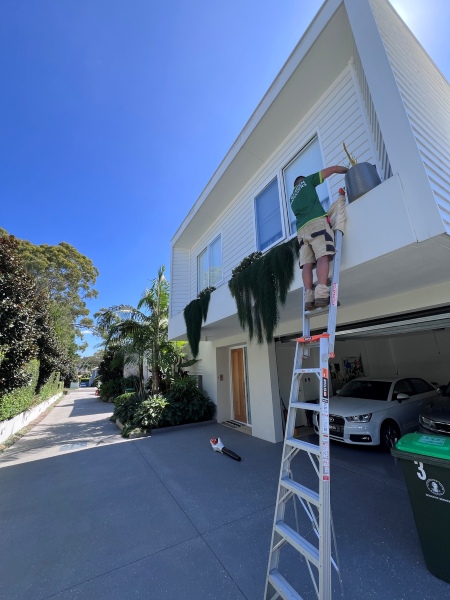
Hedge trimming and shrub pruning, both for shape and for safety clearance — keeping growth away from windows, walkways, signage, and security cameras. Weed control sits here too, and it’s the area most commonly skipped or done half-heartedly on cheaper contracts, because it’s less visually obvious than a hedge that needs a trim.
3. Hardsurface maintenance
Sweeping and blowing of pathways, driveways, bin bays, and carparks. This one gets left off a lot of grounds maintenance scopes entirely, which is a problem — leaf litter and debris in bin bays and carparks is a genuine slip hazard and one of the more common things picked up in a strata insurance walkthrough.
4. Seasonal works
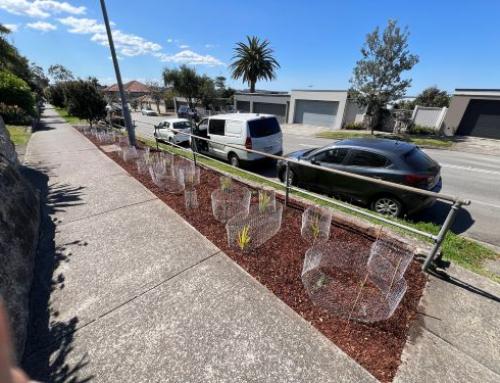
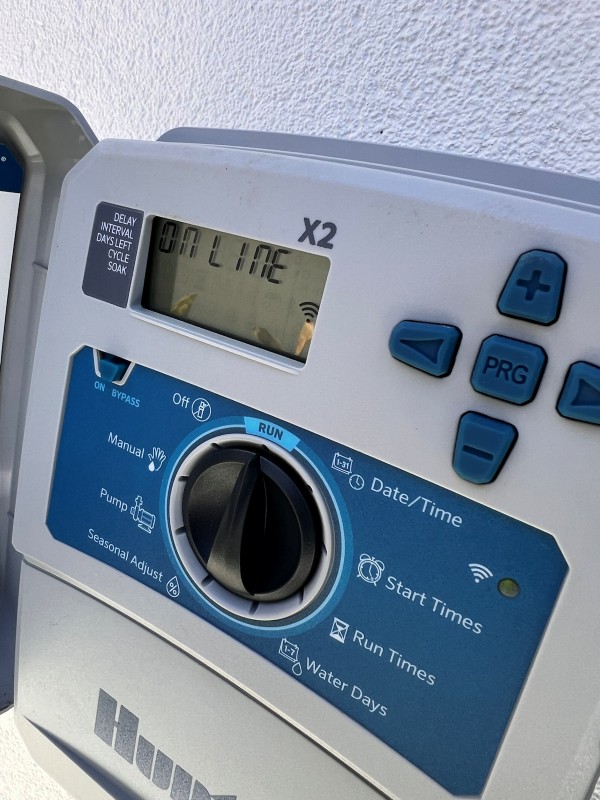
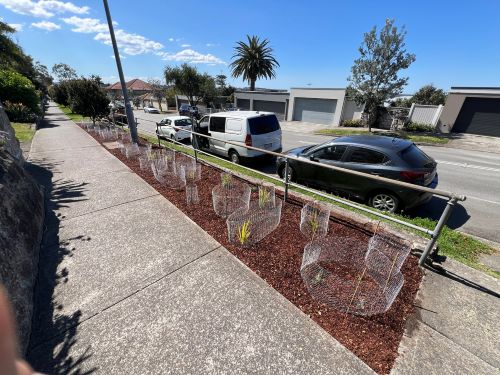
Mulch top-ups (usually once or twice a year), irrigation system checks tied to the season, and green waste removal after any significant cutback. This is the category that gets forgotten between visits if it’s not explicitly scheduled rather than left to be “noticed.”
The single biggest gap we see when we take over a new strata property is the seasonal category — not the weekly stuff. Lawns get mowed, hedges get trimmed, but mulch hasn’t been topped up in two years and nobody’s done an irrigation check since summer before last. It’s not usually neglect on the contractor’s part — it’s that “seasonal works” was never written into the scope clearly enough to actually get scheduled.
What a standard visit actually looks like
This is the part most contracts never explain. Here’s roughly how a standard fortnightly visit runs for a mid-sized Eastern Suburbs strata property with our crews.
What’s usually NOT included — and why that’s normal
A standard grounds maintenance program doesn’t typically cover tree removal or major arboriculture work (this needs a qualified arborist and council approval in most cases), full irrigation system replacement, structural landscaping changes, or one-off major clean-ups after long-term neglect. These are usually quoted separately because they’re project work, not routine maintenance — and any provider who tries to fold a full irrigation overhaul into a “standard visit” rate either isn’t actually doing it, or is charging for it somewhere else in the contract you can’t see.
What it actually costs in Sydney (2026)
| Property size | Per visit | Per month |
|---|---|---|
| Small strata block (under 20 units) | $250–$320 | $600–$1,100 |
| Medium strata block (20–60 units) | $320–$420 | $900–$1,800 |
| Large complex (extensive hedging, palms, high-rise greenery) | Custom scope | $2,000–$6,000+ |
Pricing varies based on visit frequency, site size, plant density, and access. These figures reflect typical Eastern Suburbs strata pricing for 2026 and are a starting guide, not a quote.
If you want a fuller breakdown of how these numbers are built — what drives the difference between the low end and high end of each bracket — we’ve covered that in detail in our garden maintenance cost guide.
Why strata committees in Sydney use Garden Managers for grounds maintenance
We run dedicated strata grounds programs across Randwick, Double Bay, Rose Bay, Coogee, and the wider Eastern Suburbs, with a structure built specifically around what committees and strata managers actually need to see.
A Double Bay strata scheme called us after their previous contractor retired and the replacement had been hired without much due diligence. There were no handover records, irrigation faults had been building unnoticed, and the property had gone visibly downhill. We turned around a quote within 48 hours, had compliance documentation ready the same day, registered the job on SMATA, and sent a full photo report from the very first visit. The committee saw a visible improvement within two weeks — and the irrigation faults that had been quietly getting worse for months were caught and fixed in that same first visit, before they became a bigger repair.
If your current arrangement covers strata more broadly and you’re trying to work out where grounds maintenance fits within your overall garden program, our strata garden maintenance page covers the full service. For the grounds-specific side of things — exactly what’s described in this post — that’s covered on our strata grounds control page.
Frequently Asked Questions
What is included in strata grounds maintenance?
A standard strata grounds maintenance program covers four core areas: lawn care (mowing and edging), vegetation management (hedge trimming, pruning, and weed control), hardsurface maintenance (sweeping and blowing of pathways, driveways, bin bays, and carparks), and seasonal works (mulch top-ups, irrigation checks, and green waste removal).
Major works like tree removal, full irrigation replacement, or structural landscaping changes are usually quoted separately as project work rather than included in routine maintenance.
How much does strata grounds maintenance cost in Sydney?
For a small to medium strata block, expect roughly $250 to $420 per visit, which typically works out to $600 to $1,800 per month depending on how often visits occur. Larger complexes with extensive hedging, palm trees, or high-rise greenery generally run from $2,000 up to $6,000 or more per month, since the scope and access requirements scale significantly with size.
Is there a difference between “garden maintenance” and “grounds maintenance” for strata?
In practice the terms overlap a lot, but “grounds maintenance” tends to describe the broader common-property program — lawns, garden beds, hardsurfaces, and seasonal works together — while “garden maintenance” can sometimes refer more narrowly to just the planted areas. The safest approach for a committee is to ask any prospective provider to list exactly what’s included rather than relying on either term alone.
How often should strata grounds maintenance happen?
Most Eastern Suburbs strata schemes run on a fortnightly visit schedule, with some smaller or lower-growth properties on a monthly cycle and larger or higher-maintenance sites on a weekly one. The right frequency depends on plant density, growth rates, and how much foot traffic the common areas see — not just property size alone.
What should I check before signing a strata grounds maintenance contract?
Ask specifically whether hardsurface maintenance (bin bays, carparks, pathways) and seasonal works (mulch, irrigation checks) are included or treated as extras — these two categories are the most commonly left vague or quietly dropped on lower-cost contracts. It’s also worth confirming whether photo reporting is provided as standard, since that’s what gives a committee visibility into the work without having to chase it.
Want a clear, itemised quote for your property?
We’ll walk your common grounds with you, tell you exactly what’s involved, and give you a straightforward quote — no vague line items, no surprises later.