Commercial Grounds Maintenance Contracts Sydney: What’s Included, SLAs & Costs
Commercial grounds maintenance is fundamentally different from residential gardening. It is driven by risk management, strict compliance, brand presentation, and guaranteed response times. When a commercial property goes to market for a new contractor, the difference between a successful partnership and a liability nightmare usually comes down to one document: the Service Level Agreement (SLA). Here is exactly how commercial contracts are structured in Sydney, what they cost, and a real-world case study of a 1,000 sqm public-facing commercial storage facility.
✓ Public Liability & WHS
✓ Retail, Storage & Corporate
✓ 2026 Commercial Pricing
A standard commercial grounds maintenance contract in Sydney covers lawn and garden care, hardstand weed control, green waste removal, and automated irrigation management, governed by a strict Service Level Agreement (SLA). SLAs define exact response times for hazards and mandate outcome-focused delivery over hourly billing. For 2026, baseline commercial maintenance ranges from $850 to $2,500+ per month for medium retail/storage facilities, while large industrial sites run $3,000 to $7,500+ per month. Commercial contracts require minimum $20M Public Liability insurance, real-time communication protocols, and comprehensive WHS compliance.
In the commercial property sector, grounds maintenance is not just about making the grass look neat. It is a critical component of facility management that directly impacts public safety, asset value, tenant retention, and brand perception. A commercial storage facility with overgrown security sightlines is a liability; an office park with slippery, moss-covered pathways is a slip-and-fall lawsuit waiting to happen.
Yet, many commercial property managers find themselves trapped in vague agreements with residential-style gardeners who lack the operational capacity, WHS documentation, or reporting software required for commercial work. When a security gate is jammed by overgrown vegetation or an auditor requests your contractor’s Safe Work Method Statements (SWMS), a handshake agreement falls apart.
To succeed, commercial properties require highly structured contracts driven by a detailed Service Level Agreement (SLA) focused on firm outcomes, not open-ended hourly rates. Here is how the best commercial grounds maintenance contracts in Sydney are built, priced, and executed.
The 4 Pillars of a Commercial Grounds Contract
- $20M Public Liability
- Workers Compensation
- Site-specific SWMS
- Chemical use registers
- Traffic management plans
- Safety data sheets (SDS)
- Outcome-focused KPIs
- Per-service pricing rules
- Set emergency response limits
- Security sightline protocols
- Define out-of-scope works
- Schedule seasonal tasks
- Zero-disruption servicing
- Hardstand weed control
- Lawn and garden care
- CCTV & perimeter clearance
- Irrigation management
- Pest and disease control
- Real-time client updates
- Operational event alerts
- Post-service photo reports
- Hazard identification logs
- Quarterly SLA reviews
- Proactive upgrade quoting
What is Included in a Commercial Grounds Maintenance Contract?
A commercial contract must leave zero ambiguity. Unlike residential work where a client might say “just tidy it up,” commercial agreements itemize exactly what is being maintained and to what standard. A robust contract typically includes:
1. Hardstand and Boundary Management
For industrial and storage facilities, this is often more critical than the lawns. Driveways, loading docks, roller doors, and perimeter fences must be kept clear of weeds, moss, and debris. This is crucial for both WHS compliance and operational flow. We utilize commercial-grade, EPA-compliant herbicides and mechanical edging to ensure the vast hard surfaces remain safe and pristine.
2. Security and Sightline Clearances
Commercial contracts mandate the proactive pruning of vegetation away from CCTV cameras, security lighting, access keypads, and perimeter fencing. An unmaintained tree branch blowing in the wind can trigger false alarms or obscure critical security footage.
3. Horticultural Maintenance (The Baseline)
This includes scheduled mowing, edge trimming, and structural hedge pruning. For premium corporate or retail sites, it extends to deadheading, seasonal color rotation, and specialized soil conditioning to maintain a high-end aesthetic year-round.
4. Irrigation System Management
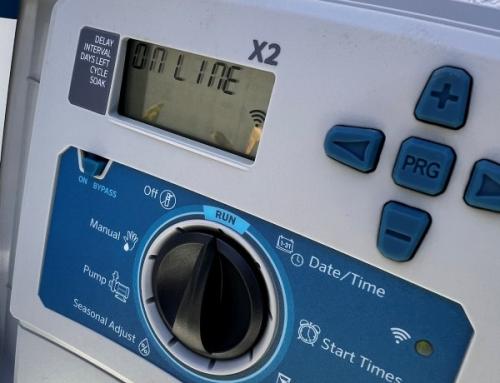
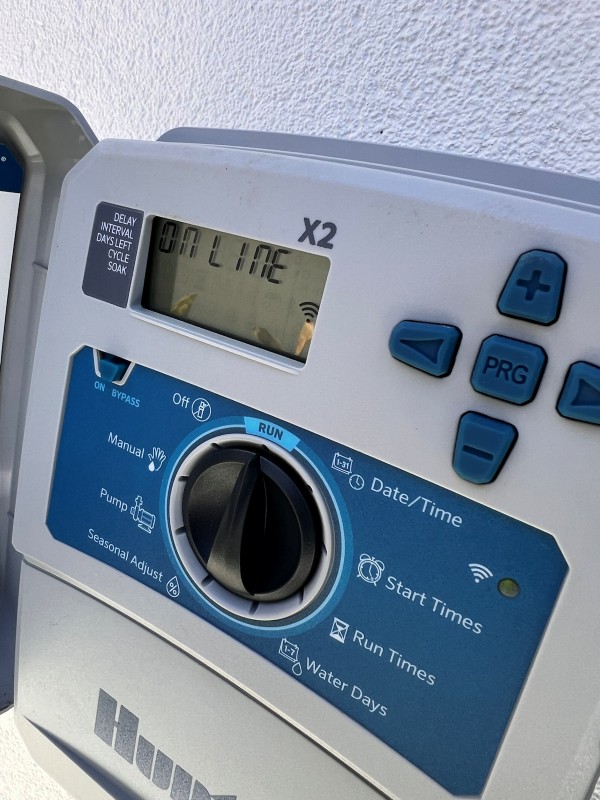
Commercial irrigation systems are complex and heavily regulated by bodies like Sydney Water. A commercial contract includes regular auditing of the system, seasonal controller reprogramming (ensuring watering happens during off-peak, compliant hours), and immediate repairs of broken sprinkler heads that could cause trip hazards or structural water damage.
Upgrade Your Commercial Maintenance Contract
Is your current contractor failing to meet presentation standards or billing unpredictable hours? We design custom, outcome-driven SLAs for commercial facilities across Sydney.
Decoding Service Level Agreements (SLAs) in Landscaping
An SLA is the legally binding heartbeat of a commercial contract. It shifts the relationship from a risky “effort-based” model (where you are billed for how long someone is on site) to an “outcome-based” delivery model (where the standard of the property dictates the service).
Key Metrics in a Modern Commercial SLA:
- Outcome-Focused Pricing over Hourly Rates: We construct our commercial service delivery statements to mandate a per-service pricing structure, capped at a maximum of four hours per visit. This protects the facility manager from blown-out invoices and shifts the burden of efficiency onto the contractor.
- Real-Time Communication Protocols: Generic logistical tracking (e.g., an automated “crew arrived” email) is insufficient for commercial management. A premium SLA mandates real-time communication for operational events—if our crew spots an attempted break-in at a perimeter fence, or a burst pipe flooding a driveway, the facility manager receives direct, immediate communication with photo evidence, not a footnote on an end-of-month invoice.
- Presentation Standards: Establishing acceptable limits. E.g., “Hardstands will be 98% weed-free at all times,” or “Vegetation will maintain a 1-meter clearance from all CCTV installations.”
- Response Times for Reactive Works: Standard SLAs dictate a guaranteed 2-4 hour response window for critical WHS hazards (like a fallen branch blocking an access gate), ensuring operational continuity.
Case Study: Structuring an SLA for a 1,000 sqm Public Storage Facility
To understand how this looks in practice, we recently designed and won a commercial maintenance contract for a high-traffic, 1,000 square-meter public storage facility in Sydney. The client was transitioning away from a standard gardening crew because the billing was unpredictable, and weeds were encroaching on customer roller doors.
The Challenge: The site featured 1,000 sqm of continuous concrete driveways, multiple individual storage units, high pedestrian and vehicle traffic, and strict perimeter security requirements. The previous contractor was billing open-ended hourly rates, yet failing to keep the perimeter fence clear of invasive vines.
The SLA & Schedule We Prepared:
- Pricing Restructure: We immediately stripped out the standard hourly billing constraints. We implemented a strict per-service pricing model capped at four hours. The client now has 100% budget predictability, and our team is incentivized by efficiency, not time-wasting.
- Real-Time Event Reporting: Because this is an unmanned facility on weekends, we mandated real-time client communication protocols in the SLA. If a storage unit door is found damaged or unlocked during our weekend service window, the facility manager is contacted directly and immediately, bypassing standard administrative delays.
- Zero-Disruption Weed Control: We scheduled the 1,000 sqm hardstand weed management for 5:30 AM – 7:30 AM using commercial-grade, low-drift herbicides, ensuring zero interference with customers loading and unloading vehicles during peak hours.
- Security KPIs: We instituted a zero-tolerance vegetation zone of 1.5 meters around all perimeter fencing and security cameras, treating this as a compliance mandate rather than a gardening task.
The Result: The facility manager eliminated invoice disputes completely due to the fixed per-service structure, and perimeter security alarms triggered by moving branches dropped to zero within the first 30 days.
Compliance, WHS, and Risk Management
Choosing the lowest bidder for commercial grounds maintenance often means absorbing their WHS liabilities. In NSW, the Person Conducting a Business or Undertaking (PCBU)—which includes property owners and Facility Managers—shares liability for contractor safety under SafeWork NSW legislation.
Before signing a commercial grounds contract, you must verify:
- Insurance: Minimum $10 Million Public Liability and active Workers Compensation for all staff.
- SWMS (Safe Work Method Statements): Required for high-risk work, such as operating machinery near public thoroughfares or applying chemicals.
- Chemical Registers: Under EPA and SafeWork regulations, contractors must maintain Safety Data Sheets (SDS) for all herbicides and pesticides used on your site.
If your current garden provider cannot produce these documents instantly, they are putting your asset at risk. This is the exact same standard required for high-tier strata garden maintenance.
Commercial Grounds Maintenance Costs Sydney 2026
Commercial maintenance is typically billed under an outcome-focused delivery model, providing predictable OPEX budget forecasting and eliminating the financial risk of slow labor.
| Commercial Property Type | Estimated Cost (Monthly) | Typical Inclusions |
|---|---|---|
| Small Commercial / Office Block Low complexity, basic lawns, small car park |
$450–$850 | Fortnightly service, basic mowing, pathway edging, green waste removal. Fixed per-service pricing. |
| Public Storage / Logistics (1,000+ sqm) Extensive hardstands, security sightlines |
$850–$2,500 | Fortnightly service, strict SLA, perimeter clearance, heavy herbicide application on driveways, real-time hazard reporting. |
| Large Industrial / Warehouse Hub Massive scale, heavy transport zones |
$1,500–$4,000+ | Slashing, extensive boundary weed spraying, stormwater drain clearing, automated gate vegetation clearance. |
| Premium Corporate Campus Multi-building, manicured lawns, high traffic |
$3,000–$7,500+ | Dedicated site team, 2-3 visits per week, seasonal floral displays, full irrigation management, high-tier reporting. |
| Reactive / Ad-Hoc Emergency Works Hazards, storm damage, tree falls |
Fixed Quote | Per-service pricing structures capped at specific delivery windows to avoid open-ended hourly blowouts. |
Beware of quotes built purely on cheap hourly rates. In the commercial sector, heavily discounted hourly quotes usually mean the contractor is incentivized to work slowly, underpaying staff, or lacking crucial WHS insurance. A professional quote will explicitly outline the outcome-focused delivery model, guaranteeing the standard of the property for a fixed, predictable fee.
Partner with Garden Managers for Your Commercial Portfolio
Garden Managers specializes in commercial, industrial, and strata garden maintenance across Greater Sydney. We don’t just maintain properties; we protect your asset with strict, outcome-focused agreements.
What you receive when partnering with us:
- Custom-built SLAs transitioning you from hourly rates to a capped, per-service pricing structure.
- Real-time client communication protocols for instant operational and hazard updates.
- Fully compliant WHS documentation, SWMS, and chemical registers.
- Digital, photo-rich service reports submitted after every site visit.
- Professional, uniformed crews equipped with commercial-grade equipment.
Frequently Asked Questions — Commercial Grounds Maintenance
What is the difference between commercial and residential garden maintenance?
Commercial grounds maintenance is highly structured, compliance-driven, and governed by Service Level Agreements (SLAs). It requires strict WHS documentation, higher Public Liability insurance (minimum $20M), specific real-time reporting protocols, and outcome-focused pricing models. Residential maintenance is generally more casual, subjective, and often billed on simple hourly rates.
What is an outcome-focused SLA in landscaping?
An outcome-focused Service Level Agreement (SLA) defines the exact standard a contractor must meet (e.g., “hardstands must be 98% weed-free”) rather than billing for time spent on site. This per-service pricing structure, often capped at a specific number of hours, protects property managers from the financial risk of inefficient labor and guarantees budget predictability.
How much does commercial grounds maintenance cost in Sydney?
In 2026, baseline commercial maintenance for a small office block starts around $450–$850 per month. A 1,000 sqm public storage or retail facility typically costs between $850 and $2,500 per month depending on hardstand weed control needs. Premium corporate campuses or large-scale industrial sites can range from $3,000 to over $7,500 per month, depending on size, complexity, and visit frequency.
Are grounds contractors responsible for car parks and hardstands?
Yes. In a well-structured commercial contract, hardstand management is a critical inclusion. This includes spraying and mechanical removal of weeds in car parks, driveways, loading docks, and pathways, as well as clearing green debris and moss. Failing to maintain hardstands creates significant slip, trip, and fall liabilities for the property owner.
Secure a Reliable Commercial Grounds Contract
Stop paying for unpredictable hourly rates and poor communication. Garden Managers provides fully transparent, SLA-driven grounds maintenance with real-time reporting for commercial properties, storage facilities, and industrial sites across Greater Sydney.