Professional Mulching Services in Sydney
✓ From $220
✓ Correct depth, every bed
✓ Full site cleanup
Garden Managers Sydney
Professional mulching in Sydney costs $220–$550 for a typical residential job, including supply, delivery and spreading. Mulch should be laid 50–75mm deep and kept clear of plant stems and tree trunks. At that depth a quality hardwood or pine bark mulch will suppress weeds and hold soil moisture for two to three years before it needs topping up. Autumn and early spring are the best times to lay it in Sydney.
Why mulch is worth doing properly
Most Sydney gardens lose more water to bare soil evaporation than to the plants themselves. A 50–75mm layer of mulch changes that immediately — it shades the soil, slows evaporation, and means your beds hold moisture between waterings instead of drying out in two days of northerly wind.
It also does the boring job nobody wants to do. Weed seeds need light to germinate. Cover the soil properly and most of them never get started, which is why a well-mulched bed needs a fraction of the weeding a bare one does.
And it just looks finished. A garden with fresh mulch reads as maintained even when the plants themselves are having a quiet season — which is why it’s one of the first things we do on pre-sale garden preparation.
The most common problem we’re called to fix isn’t a lack of mulch — it’s mulch piled up against tree trunks and plant stems, sometimes 150mm deep in a neat volcano shape. It traps moisture against the bark and causes collar rot, and we’ve seen established shrubs die from it. Mulch belongs on the soil, not against the plant. A 50–100mm gap around every stem and trunk is the whole trick.
What we actually do
Why Regular Gutter Cleaning is Essential in Sydney:
What it costs
Garden Managers offers a complete garden mulch service tailored to your needs:
| Job | Typical cost |
|---|---|
| Small residential — courtyard or a few beds | $250–$350 |
| Standard residential — full front and back beds | $350–$590 |
| Large residential or small strata | $590–$1,350 |
| Strata common areas | Quoted on site |
Includes supply, delivery, bed preparation and spreading. Price varies with bed area, mulch type, access, and how much weeding the beds need first.
A quote that only covers spreading assumes your beds are already weeded and edged. If they’re not, you’re paying for mulch to be laid over weeds that will push straight back through within a season — and then you pay again. Ask what preparation is included before comparing prices.
Choosing the Right Mulch for Your Sydney Garden
We typically recommend quality organic mulches like Pine Bark, Eucalyptus, Tea Tree mulch, or Hardwood Woodchip for most Sydney gardens due to their soil-improving benefits. Each offers a different look and longevity. We can discuss the best option for your specific situation during our consultation.
Choosing the right mulch
For most Sydney gardens we recommend an organic mulch, because as it breaks down it feeds the soil rather than just sitting on it. The main options:
| Mulch | Best for | Lasts |
|---|---|---|
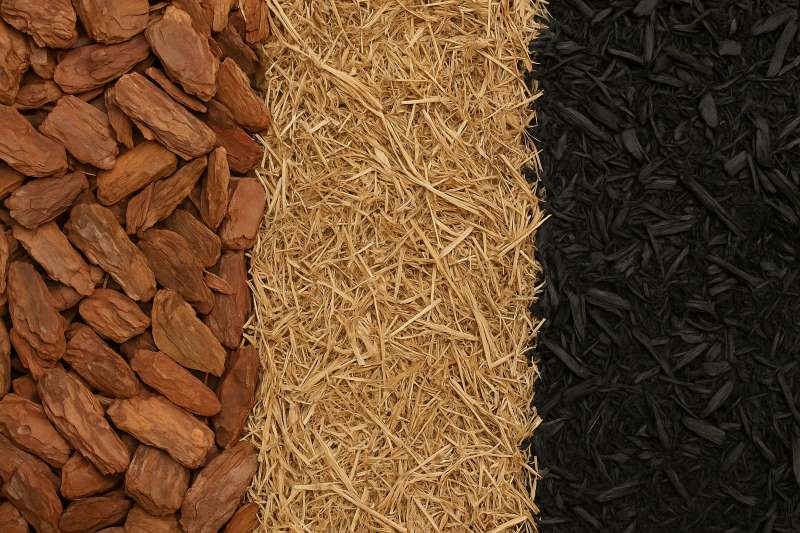
| Hardwood woodchip | General beds, high-traffic areas, strata common grounds. Durable and doesn’t blow around. | 2–3 years |
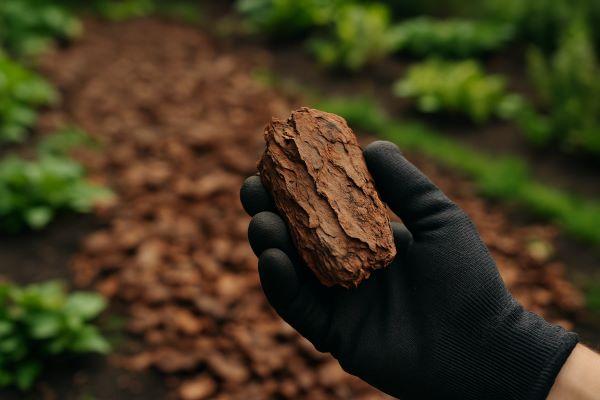
| Pine bark | Formal beds and feature gardens. Clean, dark, consistent look. | 2–3 years |
| Eucalyptus mulch | Native gardens. Breaks down into the soil well. | 1–2 years |
| Tea tree mulch | Moisture retention. Fine texture, good around established plantings. | 1–2 years |
| Sugar cane / lucerne | Vegetable beds and new plantings. Breaks down fast and feeds the soil. | 6–12 months |
Steep slopes, windy coastal sites and beds under heavy tree cover all change the recommendation — a fine mulch on an exposed Eastern Suburbs boundary will simply blow away. We’ll work that out on site.
h2>When to mulch in Sydney
Autumn (March–May) is the best window. Soil is still warm, the mulch settles before winter rain, and beds go into spring already protected.
Early spring (August–September) is the second-best time, and the more common one — it gets beds ready before the summer heat and before weeds get going in earnest.
Avoid laying mulch on bone-dry soil in the middle of summer. Water the beds first, or you seal the dryness in. If you’re mulching in January, it needs a good soak before and after.
A Randwick property had beds that were being hand-weeded every fortnight and still looked patchy. We weeded them out properly, re-cut the edges, and laid 70mm of hardwood woodchip across the front and side beds — around $480 all up. Weeding time on the following visits dropped to almost nothing, and the owner cut back on summer watering because the beds were holding moisture. Two years on, those beds have only needed a light top-up.
When to mulch in Sydney
Autumn (March–May) is the best window. Soil is still warm, the mulch settles before winter rain, and beds go into spring already protected.
Early spring (August–September) is the second-best time, and the more common one — it gets beds ready before the summer heat and before weeds get going in earnest.
Avoid laying mulch on bone-dry soil in the middle of summer. Water the beds first, or you seal the dryness in. If you’re mulching in January, it needs a good soak before and after.
A Randwick property had beds that were being hand-weeded every fortnight and still looked patchy. We weeded them out properly, re-cut the edges, and laid 70mm of hardwood woodchip across the front and side beds — around $480 all up. Weeding time on the following visits dropped to almost nothing, and the owner cut back on summer watering because the beds were holding moisture. Two years on, those beds have only needed a light top-up.
Frequently Asked Questions
How much does mulching cost in Sydney?
A typical residential mulching job in Sydney costs $220–$550 including supply, delivery and spreading. Smaller courtyard jobs sit at the lower end, while a full front and back garden with substantial bed area sits at the upper end. Larger residential properties and small strata sites generally run $550–$1,200.
The main variables are bed area, mulch type, site access, and how much weeding and edging the beds need before mulch goes down.
How deep should mulch be?
50–75mm is the right depth for most garden mulches. Below about 50mm, weed seeds still get enough light to germinate and you lose most of the benefit. Above about 100mm, water struggles to penetrate through to the soil and the beds can actually end up drier underneath.
Just as important as depth is keeping mulch away from plant stems and tree trunks — leave a gap of 50–100mm around each one. Mulch piled against bark traps moisture and can cause collar rot.
How long does mulch last before it needs replacing?
A quality hardwood or pine bark mulch laid at correct depth typically lasts two to three years before it needs topping up. Finer mulches like sugar cane or lucerne break down much faster — six to twelve months — which makes them good for vegetable beds where you want the soil fed, but a poor choice for ornamental beds you don’t want to redo annually.
Most gardens benefit from a light top-up every couple of years rather than a full replacement.
Should I remove the old mulch before adding new?
Usually not. Old organic mulch is breaking down into the soil, which is exactly what you want, so in most cases we simply weed the bed, break up any crusted surface, and top up over the existing layer.
The exception is where old mulch has built up well past 100mm over several applications, or where it’s become matted and is repelling water rather than letting it through. In those cases some of the old material needs to come out first.
Does mulch actually stop weeds?
It stops most of them. Weed seeds in the soil need light to germinate, and a proper 50–75mm layer blocks that. What it won’t stop is established perennial weeds with deep root systems — those push straight back through — or new seed that blows in and germinates on top of the mulch itself.
That’s why bed preparation matters. Mulch laid over unweeded beds gives you a few months of looking tidy followed by the same weeds coming back through. Weeded properly first, a mulched bed can go a long time with very little intervention.
When is the best time to mulch in Sydney?
Autumn, roughly March to May, is ideal — the soil is still warm, the mulch settles in before winter rain, and beds head into spring already protected. Early spring, August to September, is the next best window and gets beds ready before summer heat and the main weed flush.
Mulching in midsummer is fine as long as the beds are watered thoroughly first. Laying mulch over bone-dry soil seals the dryness in rather than helping.