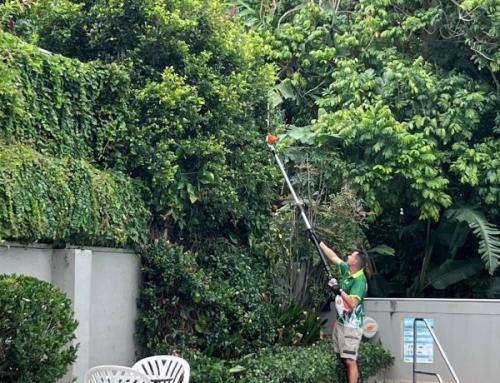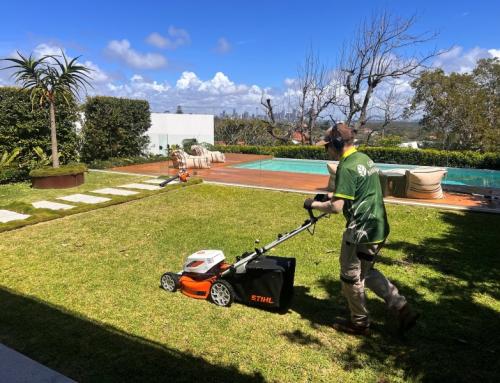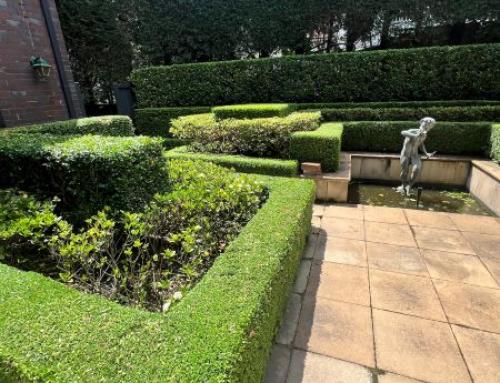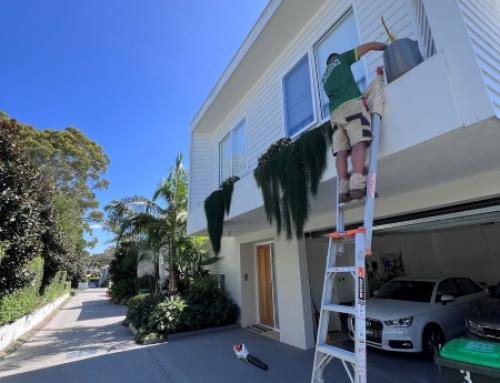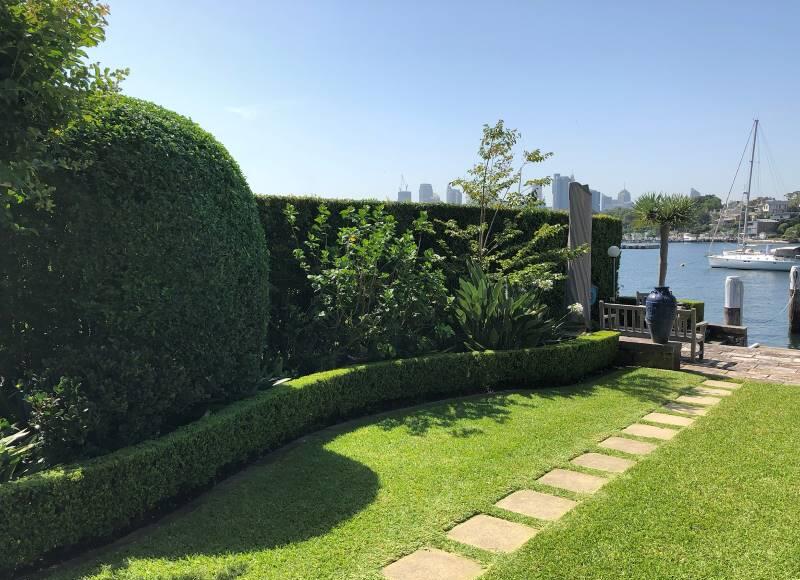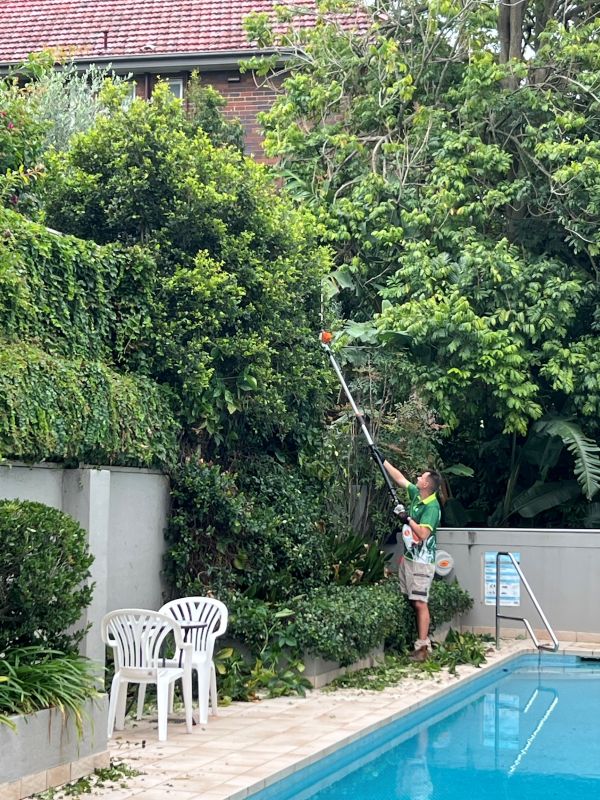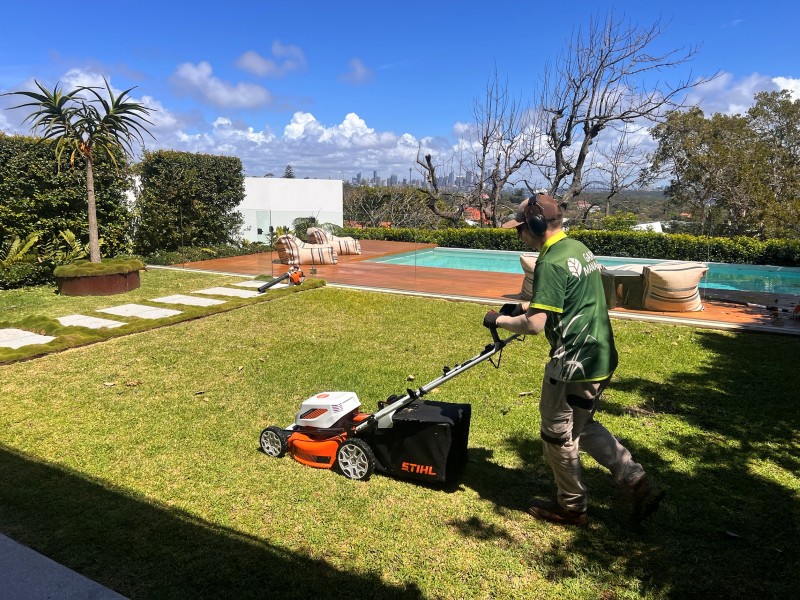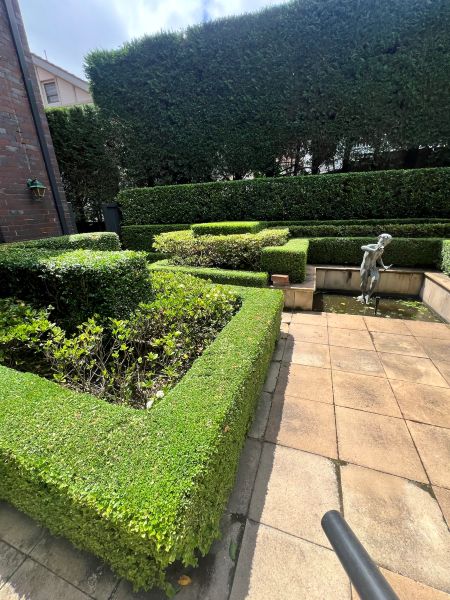
When we took over a strata garden in Double Bay, nobody could tell us when the irrigation had last been checked. The committee knew the garden needed work. Without visit notes, they couldn’t tell which faults the previous gardener had found or who was following them up.
You need a strata gardener who knows what each part of the property needs, turns up when agreed and tells your manager when something needs a decision. Ask to see 3 things before appointing them. A written scope sets out the visit frequency, inclusions and price. Current insurance certificates show the cover. A sample report shows whether your manager can tell what the crew did and who needs to act next.
At Double Bay, the long-serving gardener had retired. A replacement had come and gone without leaving records, and irrigation faults had gone unresolved. We supplied our quote within 48 hours and sent the compliance documents the day they were requested. The strata manager issued the work order through SMATA, the contractor platform they used.
Our first visit gave the manager a photo report they could share with the owners. Within two weeks the committee could see an improvement in the garden. Having a dated record also gave the next conversation a starting point. The manager could point to a particular bed and ask what we planned to do there next.
If you’re choosing a strata gardener, take the following questions on a walk around your building. Stop at a hedge, a garden tap and the place where the crew would load the clippings. You’ll learn more from what a contractor notices there than from a list of services in a brochure.
Which 11 questions should you ask a strata gardener?
1. Which areas will you look after?
Walk from the street to the back gate with a copy of the site plan. Mark the entry, lawns, courtyard beds, boundary hedges and any rooftop or balcony planters the building wants serviced. A planter beside a unit door is worth a conversation. A resident might own the pot, water it themselves or assume the gardener has been doing it.
Ask the strata manager to check uncertain boundaries against the strata plan and by-laws before the contractor prices the work. Give each gardener the same marked-up plan. That way a quote for the front garden and one for the whole property are easy to tell apart.
2. What will a normal visit look like here?
Choose a spot everyone knows. At the front entrance, for example, you might want the lawn edged along the path, weeds removed from the bed and clippings cleared from the steps every visit. The screening hedge might only need a light trim when new growth reaches an agreed line. Put those expectations against the area in the scope.
Ask where the green waste goes. If the building supplies a green bin, find out what happens when a hedge cut will fill it. Owners can then see whether a removal charge belongs in the regular price or on the quote for that cut.
3. How often does this property need a visit?
Ask the gardener to point out which part of the site determines the interval. It may be the grass along a busy footpath, a hedge that grows across a driveway sightline or planters that dry out between visits. A fortnightly proposal makes more sense when the committee understands what will happen in the gap.
If you ask for a monthly option as well, ask the contractor what they would change. You might accept a softer hedge outline and keep the entrance on a shorter cycle. New planting may still need someone on site to check moisture between booked visits. Agree who will do that before approving the schedule.
4. How will you know the irrigation is reaching the plants?
A controller can show a watering time while the bed it serves stays dry. Ask whether the crew will have access to run a zone, look at where the water lands and record any section they couldn’t test. An agreed visual check during a garden visit and a separately booked investigation involve different amounts of work.
At a 30-unit Eastern Suburbs complex, the water had been shut off to stop a leak. Testing uncovered six faults. The repair took a day and a half, and at the follow-up two weeks later we could see regrowth. A note identifying the shut-off and who was arranging the repair would have given the next person a place to start. Read the irrigation repair case study.
5. Can we see a sample visit report?
Ask for a report with the client’s identifying details removed. Cover the photos for a moment and read the notes. Could someone who missed the site walk tell which area the crew worked in, whether they finished, and whether the strata manager owes them a decision? Now look at the photos. A wide shot helps the reader find the bed. A closer one shows the damaged fitting or the pruning that was done.
If a repair needs approval, the report should say what the crew observed, what they recommend doing next and whether they will send a separate price. A manager can forward that to the committee without having to interpret a photograph of a wet path.
6. How will residents and tenants get past while you work?
Show the contractor the route residents use with prams, mobility aids or shopping. If it is also the only way to move a bulk bag of clippings, settle where the team can stage the waste and when they can load it. At a mixed-use building, the same conversation should cover shop opening times, delivery access and who can unlock the service gate.
7. Who can ask for a change to the work?
A resident may want the hedge outside their window cut lower. Their neighbour may rely on that same hedge for privacy. Give the crew one nominated contact for changes. The gardener can record the request, identify the section of hedge and wait for that person to confirm the agreed height. The residents then get an answer through the building’s usual channel.
8. What insurance and work documents can you provide?
Give the contractor your building’s insurance requirements with the invitation to quote. Ask for current certificates and check the insured business name, expiry date and limit against the tender. Request workers compensation evidence where applicable, plus the work method or product safety information the site needs for the tasks being proposed.
Sebelik Pty Ltd trades as Garden Managers Australia. We hold $10 million in public liability cover and NSW workers compensation insurance. Giving your manager the business name and certificates together makes that check straightforward before they issue a work order.
9. What garden work should we plan for separately?
Stand beside a plant that has outgrown its space and ask what the contractor would do over the next year. Keeping new growth clear of a path is routine trimming. Reducing an established hedge to a different height may take a separate visit, create more waste and change the privacy of adjoining units. Get the proposed finish, timing and price in writing before that cut.
10. What happens if a visit is missed or part of the site is locked?
Agree who gets the update, how the gardener will describe anything left unfinished and how you will settle a return date. If the crew has done the front gardens but the key to the rear courtyard doesn’t work, the report should identify both areas. That gives the building manager something specific to organise before the crew returns.
11. Can we speak to someone who manages a similar property?
Ask for a reference from a property with something in common with yours. A small walk-up with a single garden entry runs differently from a mixed-use site where contractors share a loading dock. A good question for the referee is, “Tell me about the last time the gardener found something that needed your approval. What did they send you, and did anyone follow it up?”
Which costs should be clear before the committee approves the quote?
Ask for the regular visit price, the number of visits included over the year and the annual total including GST. Then ask what happens when the crew finds something that needs extra time or materials. The table shows the actual cost and scale of three jobs we’ve done. A committee can ask for the same level of detail when deciding whether to approve additional work.
| Work | Job cost | What it covered |
|---|---|---|
| Mulching front and side beds, Randwick | About $480 | We weeded the beds, re-cut the edges and laid 70 mm of hardwood mulch. |
| Winter irrigation service, Eastern Suburbs strata | $520 | We dealt with ants in the controller, a blocked valve diaphragm and broken field wiring in one visit. |
| Irrigation restoration, 30-unit strata complex | About $3,000 | We repaired six faults across the system over a day and a half. |
Each figure is for the described job. For ongoing care, compare the visit schedules and inclusions in your written proposals. Our Sydney strata garden maintenance guide gives monthly budget ranges for different types of buildings.
Why choose Garden Managers as your commercial gardening contractor?
On a commercial property, the useful question is whether the gardener can work while the rest of the building gets on with its day. Show us which entrance needs to be ready for opening, when deliveries use the driveway and who signs off a repair. We can put those details into the schedule and quote the areas that need attention at each visit.
At Double Bay, the manager used our SMATA registration to issue the first work order digitally. On an office or retail property, tell us which job number and cost centre your facilities team needs on its paperwork. That lets the person approving the invoice match the visit to the order and see which proposed repairs still need a decision.
We also look after the planting and irrigation. If a bed beside the main entrance starts to fail, we can check how it is being watered and tell you what we find before you spend money on replacement plants. If that is the type of ongoing help your site needs, see our commercial gardening services.
What else do strata committees ask?
What should we send before the site inspection?
Send the address, a contact who can provide access and a few photos of the areas you want priced. An existing scope or marked-up site plan is helpful. Flag locked areas and any pots or beds residents look after themselves.
Put the committee’s main concern in the email. If owners are happy with the lawns but worried about a drying hedge, the contractor knows to spend part of the inspection tracing where that hedge gets its water.
Does a small block need a full garden management plan?
A small block with a lawn and a few beds may do well with a one-page scope, an agreed visit day and a short note when something needs attention. The detail should fit the garden and the people who look after it.
If residents share the watering, write down who covers absences and who the gardener should tell if a plant starts to struggle. That simple arrangement can matter more to a small scheme than a lengthy report.
Can our caretaker water the garden between visits?
Yes, if the building agrees to it and the caretaker knows which areas need water. Mark any newly planted beds or exposed pots on the plan and agree who covers them when the caretaker is away.
Use the watering method to set the schedule. Sydney Water allows drip irrigation and smart watering systems at any time under its Water Wise Guidelines. For ordinary sprinklers using drinking water, plan watering before 10 am or after 4 pm.
What records should stay with the building if the manager changes?
Keep the accepted scope, site plan, visit reports and approved variations together. Include any irrigation zone list, agreed hedge heights and the contact for arranging access. A new manager can then see what the contractor is paid to do.
Leave a short list of open items with a name beside each one. A note saying who is organising a repair or when a newly planted bed needs to be checked gives the incoming manager somewhere to start on their first day.
Where can we check the NSW guidance?
- For responsibility for shared gardens and how to check your building’s plan and by-laws, see the NSW Government guide to strata repairs and maintenance.
- For permitted watering times and methods, see Sydney Water’s Water Wise Guidelines.
Would you like us to walk the property with you?
If you manage a strata or commercial property in Sydney’s Eastern Suburbs, send us the address, the areas you want covered and the issue your committee or facilities team most wants resolved. We’ll use the site visit to prepare a written scope and price you can take back to them.