Rooftop Garden Maintenance Sydney: A Practical Guide to Podium Gardens & Planter Boxes
The same plants keep dying. One planter stays wet while the next dries out. Residents are reporting rodents, and the committee is considering another replant. Before spending more, check whether the maintenance plan addresses what is actually going wrong.
Rooftop and podium garden maintenance should cover 6 areas: plant health, irrigation, growing media, visible drainage access, pest observations and reporting. The visit schedule must suit the planting and exposure; a monthly gardening visit does not replace watering checks between visits. New planting, rooftop lawns and actively declining beds may need closer attention. Price the actual site, including access and waste handling, before agreeing to an ongoing contract.
A rooftop garden can look tidy from the lift lobby and still have problems underneath the foliage. Pruning and blowing down the paths tell you little about whether water reaches every plant or a bed is staying saturated.
Podium gardens face similar issues. Many sit above a car park or another occupied part of the building, with planting contained within a constructed system. What happens in that bed needs to be considered alongside the building beneath it.
This guide is for strata committees, building managers and owners organising ongoing care or deciding whether a struggling garden needs renewal. It explains what to include, what to investigate and how to compare proposals without paying repeatedly for the same unresolved problem.
What should rooftop and podium garden maintenance include?
The scope should name each area: rooftop lawn, podium beds, communal planters and any individual balconies. A phrase such as “maintain all gardens” leaves too much room for disagreement about access, watering and additional work.
Plant health and pruning
Check growth and decline, remove weeds, prune for the species and available space, and identify plants that need investigation before replacement.
Irrigation performance
Operate the agreed zones, look for leaks or uneven delivery, check moisture in representative beds and record faults requiring repair.
Growing media and mulch
Check settlement, exposed roots and surface condition. Specify feeding and approved top-ups separately where they are outside routine visits.
Inspection access
Keep agreed inspection points visible and accessible. Report ponding or suspected drainage defects for the appropriate building specialist.
Pest observations
Record suspected rodent activity and plant pests. Coordinate vegetation work with the building’s pest contractor when needed.
Tidying and reporting
Remove agreed waste, leave access routes clean and document completed work, outstanding issues and recommendations.
If there is rooftop turf, list mowing, edging and lawn condition checks explicitly. Aeration, renovation, turf replacement and substantial soil work should have their own scope rather than being assumed part of every visit.
Why do elevated gardens need a different maintenance approach?
A sunny corner, a wind-exposed edge and a shaded planter beside a wall can behave differently on the same level. Their planting and watering should reflect those conditions. Identical plants throughout the building may simplify purchasing but still produce uneven results.
Built garden systems also have limits. City of Sydney’s green-roof resources address growing media, drainage, waterproofing and structural loading. Keep the original landscape drawings and maintenance information available, especially when changing a bed.
Do not assume there is spare capacity for deeper soil, large pots or stockpiled materials. Check the approved design and obtain appropriate professional advice for changes, considering saturated weight and temporary loading during works. Do not excavate into unknown layers or disturb waterproofing to investigate a planting problem.
A garden contractor can record visible concerns and coordinate horticultural work. Structural assessment, waterproofing repairs and concealed drainage faults need the relevant specialists.
Can rodent problems mean a whole garden bed needs redoing?
On one of our podium garden projects, rodent issues were a key reason we had to redo a full garden bed. The work went beyond the routine trimming and tidying covered by an ordinary maintenance visit.
For a committee, that is a different decision to approving another service call. A full bed renewal needs its own scope, budget, access arrangements and plan for looking after the planting afterwards.
The lesson is to assess the garden layout alongside the pest problem before spending on replacement plants. Renewing the planting is not, by itself, evidence that rodents have been eliminated. Pest management and follow-up remain separate parts of the response.
Rodent sightings do not automatically justify clearing a garden. First identify where activity is occurring and ask the pest contractor which changes would help. Relevant issues may include accumulated waste, food sources, inaccessible inspection areas and vegetation that makes activity difficult to see.
City of Sydney’s pest guidance highlights the importance of containing rubbish and addressing conditions that promote rat activity. On a strata site, involve the building manager so garden work, waste management and pest treatment support each other.
Where renewal is justified, agree what stays, what is removed and how the new layout will remain accessible as plants mature. Avoid choosing plants on a promise that they will “repel rats”. Arrange specialist handling of contaminated areas, and leave treatment products and bait-station management to the pest contractor.
How often should a rooftop garden be maintained?
Choose frequency after inspecting the site. The following are planning options to discuss, not fixed rules or a watering schedule. Adjust the program when growth, weather, access or plant condition changes.
| Garden condition | Schedule to consider | What still needs attention |
|---|---|---|
| Established, slower-growing beds with reliable irrigation | Monthly maintenance may be suitable | Someone must report faults and plant stress between visits. |
| Actively growing hedges, mixed planting or high presentation needs | Fortnightly visits may be more suitable | Review pruning needs and seasonal growth. |
| Rooftop lawns or an intensively maintained garden | A separate, potentially more frequent lawn or garden schedule | Mowing needs may differ from garden-bed maintenance. |
| New planting, recent renewal or irrigation failure | A specific establishment or recovery program | Watering and moisture checks may be needed much more often. |
After a heat event, strong winds or heavy rain, arrange a check if the site is vulnerable. This can begin with the building manager reporting what they can safely see; it need not mean an automatic full gardening visit.
How should irrigation and watering be checked?
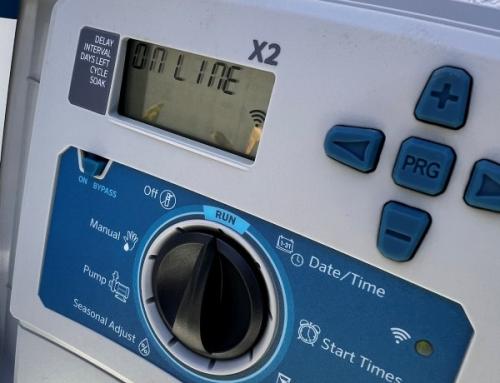
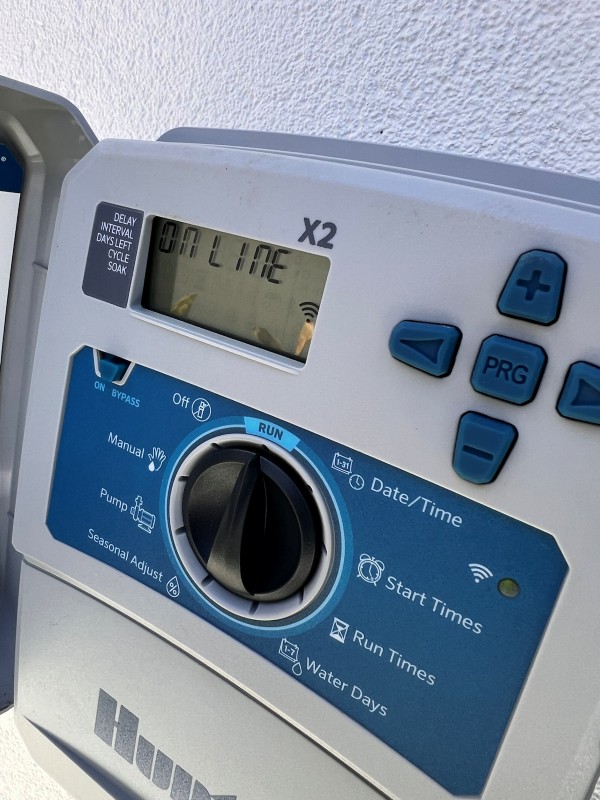
A lit controller screen confirms very little about delivery at the plants. Run the relevant stations and inspect the beds. Check whether emitters are supplying water, whether sprinkler coverage has changed and whether runoff or persistent wet patches are present.
Keep a station list identifying which area each zone serves. Give one nominated person responsibility for program changes, and record those changes. Otherwise, an adjustment intended to help one dry planter can leave another area overwatered.
There is no reliable universal answer such as “ten minutes every day”. Start with the plants, root-zone moisture and system output, then assess the result. New root balls may need targeted watering even when surrounding soil appears moist. For faults, our irrigation installation and repair service can be scoped alongside maintenance.
Under the current Water Wise Guidelines, ordinary garden watering with drinking water is permitted before 10 am and after 4 pm. Smart watering systems and drip irrigation may also operate between 10 am and 4 pm. Newly planted gardens have a 28-day anytime-watering allowance. Prevent runoff and overspray, and recheck the rules when setting a program.
What should happen when planter soil sinks or plants keep dying?
Record where the issue occurs before ordering more soil or plants. Repeated losses in one planter call for investigation: water delivery, root condition, exposure and suitability of the planting should all be considered.
Use the specified growing medium and maintain the intended levels around plants and outlets. Ordinary garden soil is not an automatic substitute for a designed roof-garden mix. Match any proposed change to the system and seek approval where needed.
Feeding should also have a purpose. Check what was applied previously, choose products appropriate to the plants and follow the label. Fertiliser does not resolve a blocked irrigation line or a waterlogged root zone.
For replacements, consider mature size, available root space, wind and light exposure, and how the planting will be reached for maintenance. Where residents or pets use the area, assess plant suitability as part of selection. A smaller, suitable plant can be a better long-term choice than an oversized instant feature.
How should access and waste removal be organised?
Walk the delivery and removal route before pricing the job. Confirm lift bookings, stair access, loading arrangements, floor protection, work hours and whether entry through an apartment is necessary. Include the time needed to move materials and leave shared areas clean.
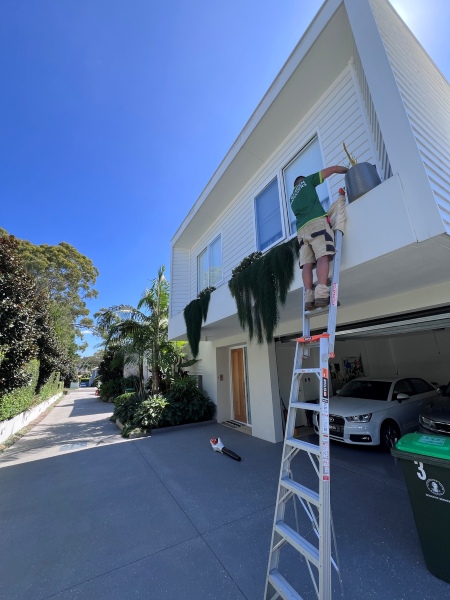
Plan safe access to raised beds and edges. SafeWork NSW’s working-at-heights guidance requires fall risks to be managed regardless of height. Climbing over a barrier or standing on a planter should not become an improvised way to reach the work.
Where specialist access is needed, identify it in the proposal. Keep materials and tools secure, protect people below and agree how weather will affect work. Residents should know when their balcony or access route is required.
What does rooftop and podium garden maintenance cost?
The useful price is the cost of looking after your actual site. The number of apartments alone does not show how much planting exists, how difficult it is to reach or how much material must be carried through the building.
| Work | Price basis | What to allow for |
|---|---|---|
| Standard garden-maintenance labour | $85 per person/hour + GST | Approved scope; materials, waste and specialist access separately identified. |
| Two-person team | $170 per team/hour + GST | One hour with two gardeners equals two labour hours. |
| Ongoing rooftop or podium maintenance | Site-specific proposal | Visit frequency, included tasks, reporting and access arrangements. |
| Full garden-bed renewal | Separate site-specific estimate | Removal, materials, planting, irrigation work, access and establishment care. |
AUD, October 2026. Standard labour rates are not a fixed total for your building. Confirm the applicable minimum visit, scope and total including GST in the written proposal. Specialist access and other trades require separate allowances.
Ask each contractor to separate initial recovery, ongoing maintenance and additional works. A neglected garden may need a longer first visit. Plant replacement, irrigation repairs, pest treatment and substantial media replacement should not appear as unexpected extras after the work starts.
A useful estimate explains its assumptions and how additional work will be authorised. If hidden conditions change the scope, the committee needs a clear explanation and an approval step before further work proceeds.
What should the building manager receive after each visit?
A report should make the next decision easier. Useful records include:
- The date, areas attended and any areas that could not be accessed.
- Work completed, with photographs showing the relevant locations.
- Irrigation zones checked and faults observed.
- Plant health, pest observations and visible drainage concerns.
- Items needing approval, with priority and proposed next action.
- Any watering or access task assigned to the building team.
Record skipped areas explicitly. If a balcony was locked or access was unsafe, the report should say so. Keep reports with the site’s maintenance records so a change of manager or contractor does not erase its history.
For a whole-building program, connect rooftop work to your strata garden maintenance plan. Our quote checklist also helps committees compare what competing proposals actually include.
What else do building managers ask?
Can our regular gardener maintain the rooftop as well?
Possibly, if the team has suitable experience, safe access and a clear scope. An accessible planted terrace may fit an existing maintenance program.
Confirm how irrigation, inspection access, waste and reporting will be handled. Refer building defects and specialist access work to the appropriate people.
Will replanting a garden bed stop rodents?
Replanting alone cannot guarantee that. Changes to vegetation may help inspection and support a pest-management plan, but other sources of shelter, food and access can remain.
Get the pest contractor’s assessment before approving major removal. Agree how activity will be monitored afterwards rather than judging success by the appearance of the new planting.
Is watering included in a monthly maintenance visit?
Only where the agreed scope includes it. Hand watering during a visit does not provide a complete watering program for the weeks between visits.
Specify who checks irrigation and who responds to faults. New planting needs an establishment plan with responsibility assigned from the day it is installed.
Should we replace all the growing media during a garden renovation?
Not automatically. Assess its condition and the reason the garden is struggling before deciding how much to retain, amend or replace.
Full removal affects cost, access and the underlying system. Confirm the specification and method before excavation, with specialist input where drainage, waterproofing or loading is involved.
Can balcony planters be included in the same contract?
Yes, provided the authorised areas and access arrangements are clearly listed. Confirm responsibilities with the strata manager rather than assuming every planter forms part of the common-area contract.
Use an attendance record for individual balconies and agree how missed access is handled. This helps residents and the manager distinguish completed visits from areas awaiting access.
Where can you check the supporting guidance?
Get a maintenance scope that fits your building
Garden Managers Australia maintains and renews strata and commercial gardens across Sydney’s Eastern Suburbs, including Randwick, Coogee, Bronte, Double Bay, Rose Bay and Vaucluse.
Send us the building address, photographs and your main concerns. We can arrange a site assessment and outline the ongoing care, immediate repairs and separately priced renewal work your garden needs.