Strata Gardening Quotes: How to Compare Labour Hours, Visit Frequency and Extras
You have three gardening quotes for the same building, but each describes a different service. Here is how to work out what your committee would actually be buying.
To compare strata gardening quotes, put each proposal on the same annual basis: total price, scheduled visits, agreed work and separately charged extras. Where hours are specified, multiply gardeners × hours per visit × annual visits. Two gardeners working for two hours across 26 visits provide 104 person-hours. Compare those hours alongside the scope and finish required. A fixed-price service without guaranteed hours needs clear tasks, frequencies and performance standards instead.
One quote says “fortnightly gardening”. Another offers a monthly fee with seasonal visits. A third includes mowing and hedging but leaves waste removal and irrigation out. The lowest monthly figure is easy to identify. The best fit for your building takes a closer look.
Your committee needs to know which areas will be maintained, how often, what condition they should be left in and what will trigger another invoice. Without that information, the proposals are not ready for a fair comparison.
You can do most of this review yourselves. Start with the questions below, ask each contractor to fill in the gaps, then compare the revised proposals. An affordable quote can be excellent value when it covers the work your property needs.
What should you compare before looking at the hourly rate?
Give every shortlisted contractor the same brief and an opportunity to inspect the site. Mark the front garden, side passages, lawns, courtyard beds, verges and any elevated planters separately. Identify areas outside the gardening contract too.
Record recurring complaints and existing problems: weeds returning in one bed, a hedge blocking access or an irrigation zone that does not run. Ask whether bringing those areas back into condition is included in routine maintenance or priced as initial remedial work.
- Areas: exactly which gardens and surfaces are covered?
- Tasks: what happens every visit, seasonally or only on approval?
- Finish: what result should the committee expect?
- Price: what is fixed, what is estimated and what is additional?
- Communication: who reports completed work and unresolved faults?
“Hedge maintenance” needs more detail. It could mean light trimming of accessible sides, or it could include tops, internal faces and waste removal. Ask for the actual scope before deciding that two prices cover the same job.
How do you calculate gardening labour hours?
Person-hours measure the combined time of the gardeners doing the work. A two-person crew on site for two hours provides four person-hours, not two.
Person-hours per visit = number of gardeners × hours worked by each gardener.
Annual person-hours = person-hours per visit × scheduled visits per year.
If crew sizes or visit lengths vary, calculate each visit type separately and add them together.
| Crew and visit length | Person-hours per visit | At 26 visits |
|---|---|---|
| One gardener × three hours | 3 | 78 person-hours |
| Two gardeners × 1.5 hours | 3 | 78 person-hours |
| Two gardeners × two hours | 4 | 104 person-hours |
The first two examples provide the same labour time. A solo gardener is not automatically unsuitable, and a larger crew is not automatically better. Equipment, skills, access and the way work is organised also affect what can be completed.
Ask whether the quoted hours are guaranteed, estimated or simply an indication of typical staffing. Clarify whether they include loading, setup, pack-down, travel, disposal trips and reporting. These are legitimate business activities; the important point is knowing what the quoted allowance covers.
Does an effective hourly rate tell you which quote is better?
Where both price and labour hours are defined, divide the comparable annual service price by annual person-hours. Use the same GST basis for every quote. For committee budgeting, also record the actual GST-inclusive amount payable where GST applies.
If materials, waste disposal or other services are separately itemised, you can remove those amounts to compare the remaining service charge. Do not guess a materials allowance just to produce a cleaner number. If costs are bundled, describe the result as contract cost per scheduled person-hour, not a pure labour rate.
This figure is not the gardener’s wage. It may also cover equipment, vehicles, administration, insurance and business overheads. Nor does the cheapest hourly figure prove best value: it must be read alongside the agreed work and evidence of delivery.
A fixed-price contract can be a reasonable choice without guaranteed staffing hours. Ask for the areas, task frequencies, required condition, reporting and process for correcting missed work. Do not invent annual hours or reject a clear, accountable proposal solely because the contractor manages staffing internally.
Is fortnightly gardening the same as twice a month?
No. Fortnightly means every 14 days; twice monthly means two visits each calendar month. Twice monthly gives 24 visits a year. Fortnightly is commonly budgeted as 26 visits, although the actual count depends on the start date and contract period. Obtain the dated schedule or an explicit annual visit commitment.
At four person-hours per visit, 24 visits provide 96 annual person-hours and 26 provide 104. That is an eight-hour difference before you compare any extras.
A monthly invoice does not mean monthly gardening. A contractor may spread the cost of an annual programme across 12 equal payments while visiting more frequently at certain times. Ask for both the payment schedule and the service schedule.
Seasonal changes can suit some gardens, but reducing winter visits is not automatically a saving. Leaf fall, weeds, irrigation inspections, pruning and presentation requirements can still justify regular attendance. The schedule should fit the site. See our guide to weekly, fortnightly and monthly strata maintenance.
What should happen if rain or a public holiday interrupts a visit?
Ask how the contractor communicates changes and makes up work. A wet-weather policy might involve rescheduling, completing suitable alternative tasks or arranging a catch-up visit. Find out what happens to the fee if a visit or task is not delivered.
Record public holiday arrangements, access failures and contractor leave as well. “We will sort it out” leaves the committee guessing. A useful agreement explains who will be notified, the expected rescheduling process and how unresolved missed work is handled.
Which extras should be checked in a strata gardening quote?
Separate charges are not inherently a problem. Seasonal materials and unpredictable repairs can sensibly sit outside routine maintenance. The problem is finding out about those exclusions after the work has started.
| Item | Ask the contractor to confirm |
|---|---|
| Green waste | Can agreed on-site green bins be used? What happens when they are full? Is off-site removal charged by bag, volume, load or time, and are disposal fees included? |
| Fertiliser and treatments | Which products and applications are included? Are materials and application labour both covered? How are residents informed where necessary? |
| Mulch and soil | Are supply, delivery, spreading and cleanup included? What area, depth and volume does the quote allow for? |
| Tall hedges and palms | Which heights and faces are included? Are specialised access equipment, extra labour and waste charged separately? |
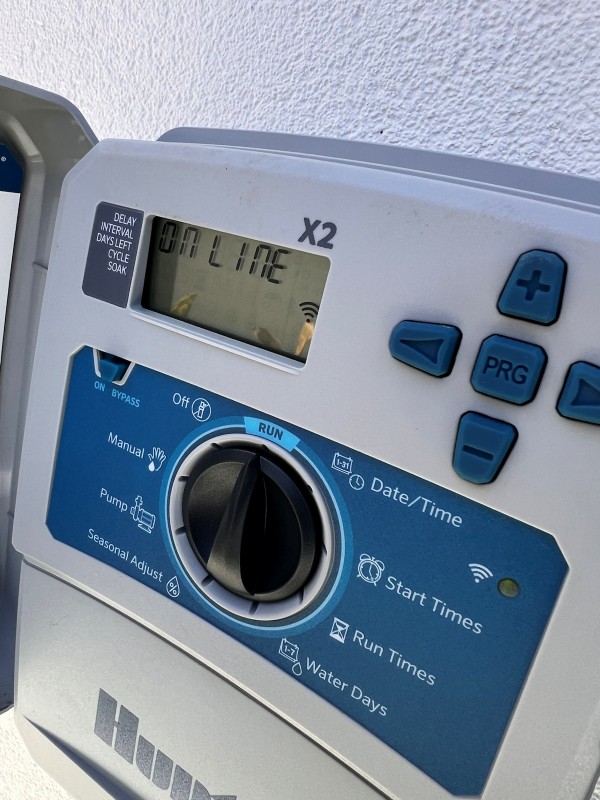
| Irrigation | Does “checking” mean looking at the controller, running each zone or testing faults? Are adjustments, repairs and replacement parts separate? |
| Paths and drains | Is the task blowing paths, removing accessible surface litter or investigating a blockage? Pressure washing and drainage repairs need their own scope. |
| Plant replacement | Who approves purchases? Does the price include removal, planting materials, installation and establishment watering? |
| Additional visits | What rates and minimum charges apply to storm cleanup or extra presentation work? What response can the contractor actually offer? |
There is no single hedge-height allowance shared by all contractors. Access and safe working methods must suit the site. Likewise, using available green bins can reduce removal costs when agreed and compatible with the property’s waste arrangements.
What can a site inspection reveal that a cheap retainer misses?
When we assessed a Vaucluse property following the retirement of its long-serving gardener, there was no documented garden management plan. Our initial assessment found two non-functioning irrigation zones, a partially blocked drain and three overgrown shrubs needing structural pruning.
We built a plan covering the site inventory, maintenance schedule, irrigation, drainage, planting and reporting. These findings mattered because routine tidying alone would not address the existing faults.
The lesson for comparing quotes is straightforward: separate the starting condition from the ongoing maintenance standard. Ask each contractor to identify initial remedial work. Otherwise, one proposal may include restoring the garden while another prices only keeping it tidy.
Read the Vaucluse garden management plan example for the wider approach.
How should you compare the full annual cost?
Use this calculation: annual base fee + agreed seasonal works + expected separately charged items + initial remedial work = first-year comparison total. Show the ongoing annual total separately if the initial work will not recur.
Use contractor-supplied prices and quantities for extras. Where a cost is unknown, mark it “not yet quoted” rather than zero. Keep any committee contingency separate from the contractor’s price.
| Site category | Monthly guide |
|---|---|
| Small strata block, under 20 units | $600–$1,100 |
| Medium site, 20–60 units | $900–$1,800 |
| Large complex | $2,000–$6,000+ |
Garden area, access, planting complexity and service scope matter more than unit count alone. Confirm inclusions and the GST treatment in your written proposal before comparing these guide figures with another quote.
A small building with extensive hedges and difficult access can require more work than a larger building with a simple lawn. Use a site-specific proposal for approval, not a price range from a blog.
| Comparison item | Quote A | Quote B | Quote C |
|---|---|---|---|
| Annual base price and GST basis | To confirm | To confirm | To confirm |
| Visits and seasonal schedule | To confirm | To confirm | To confirm |
| Guaranteed hours OR defined service outcomes | To confirm | To confirm | To confirm |
| Annual person-hours, if specified | To confirm | To confirm | To confirm |
| Seasonal work, waste and other extras | To confirm | To confirm | To confirm |
| Initial remedial work | To confirm | To confirm | To confirm |
| First-year total / ongoing annual total | To confirm | To confirm | To confirm |
| Reporting, missed-work process and contract term | To confirm | To confirm | To confirm |
What should you check before accepting a quote?
Request current public liability documentation and check the cover against your scheme’s requirements and the proposed work. Ask about workers compensation where applicable; SIRA explains that some NSW employers qualify for exemptions. Verify the arrangement rather than judging insurance by the quoted price.
Confirm who attends the property, whether subcontractors are used, relevant qualifications for specialist tasks and the safety documentation appropriate to the work. Ask for a sample service report and a reference from a comparable property.
Read the term, renewal, price-review and cancellation clauses. The ACCC’s contract guidance is a useful starting point for understanding unfair terms. Your strata manager or legal adviser can help with a specific contract concern.
The owners corporation’s responsibility for common-property maintenance remains important when engaging a contractor. See the NSW Government repairs and maintenance guidance. A gardening report helps track work; it is not a blanket certificate of legal compliance.
What should you send contractors before the committee decides?
Use the same clarification request for everyone:
Please confirm your annual price and GST treatment, total scheduled visits, areas and tasks covered, and any seasonal changes. Where you quote labour hours, please identify crew size, hours per visit and whether these are guaranteed or estimated. For a fixed-scope service, please confirm the required outcomes and task frequencies.
Please also list waste arrangements, seasonal materials, irrigation checks, initial remedial work and additional-work rates. Confirm your reporting, wet-weather arrangements, missed-service process and contract term. Identify any work requiring separate approval before it proceeds.
Once the replies arrive, record why the preferred proposal meets the building’s needs. If the lower quote covers the agreed work, has suitable documentation and can demonstrate reliable delivery, it may be the right choice.
What else do committees ask about strata gardening quotes?
Should we choose the lowest hourly rate?
Only after comparing the scope, annual hours where specified, equipment and service expectations. A rate without those details tells you little about the work your building will receive.
Compare the total annual cost of meeting your requirements. Check reporting and references as well as price, and do not assume a cheaper contractor is uninsured or unreliable.
Can a fixed monthly contract be good value?
Yes. Equal monthly payments can fund a clearly defined annual programme, including seasonal changes in work. Payment frequency and visit frequency are separate matters.
Ask for the annual schedule, service standards and exclusions. If hours are not guaranteed, assess delivery against the agreed scope rather than calculating an hourly rate from assumed staffing.
Should green waste removal always be included?
It should always be explained, but it does not have to be bundled into the base fee. Agreed use of suitable on-site bins can work, while larger pruning jobs may need separately priced removal.
Confirm bin capacity, overflow arrangements, charging units and disposal fees. Require approval for additional removal where the contract calls for it.
Does more time on site guarantee a better garden?
No. Labour time helps compare resourcing, but the result also depends on skills, equipment, timing and the condition of the garden.
A recurring irrigation fault or unsuitable plant will not necessarily improve with extra mowing and weeding. Ask what is causing the problem and whether resolving it is included.
Where can committees check the supporting guidance?
- NSW Government: strata repairs and maintenance
- SIRA: workers compensation insurance exemptions
- ACCC: contracts and unfair contract terms
Sources checked November 2026. This is a practical procurement guide, not advice on a particular legal dispute.
Get a gardening quote your committee can compare
Garden Managers Australia provides strata garden maintenance in Sydney’s Eastern Suburbs, including Randwick, Coogee, Bronte, Double Bay, Rose Bay and Vaucluse.
Send us your property address, current maintenance brief and the issues you want resolved. We can arrange a site inspection and prepare a proposal setting out the work, visit schedule, waste arrangements and separately quoted items, so your committee can make an informed decision.
Prefer email? [email protected]