How to Change Your Strata Gardening Contractor in NSW
The gardener has looked after your building for years, but the weeds are spreading and messages go unanswered. Here is how to review the service, organise a replacement and get the garden back on track.
To change a strata gardening contractor in NSW, check the current agreement, confirm who can authorise the change, compare written proposals, record the authorised decision and give notice using the contract’s requirements. Coordinate the new contractor’s start date, access and irrigation handover before the outgoing service ends. Ask for at least two comparable quotes as a practical starting point. NSW guidance requires at least two independent quotes for expenditure over $30,000; that is not, by itself, a rule requiring a general meeting.
Your committee may feel uncomfortable replacing a gardener who has been there a long time. Perhaps they used to do a good job. Perhaps everyone hopes the next visit will bring the garden back under control.
But when overgrown plants, recurring weeds and unanswered messages become the normal pattern, it is reasonable to review the arrangement. The aim is to restore a reliable service and a garden residents can enjoy.
You do not need to know every plant name to manage the change. You need a clear record of the problems, an agreed scope, the right approval and a handover that leaves nothing important to chance.
When is it time to replace your strata gardener?
Look for a pattern rather than judging one untidy patch or a single delayed visit. Wet weather, seasonal growth or a task outside the agreed scope can explain a short-term problem. The contractor should still communicate what is happening and how it will be addressed.
- Agreed tasks repeatedly remain unfinished.
- Weeds and overgrowth are getting worse across successive visits.
- Reported irrigation problems remain unresolved or unexplained.
- The committee cannot establish when work was completed.
- Requests for an update or improvement plan go unanswered.
First check what the gardener was actually engaged to do. A mowing-only contract will not deliver comprehensive plant care. If the scope is unclear, ask for clarification and a realistic proposal to close the gaps.
Where a working relationship can be repaired, a written improvement plan may be enough. Where communication has broken down or repeated concerns remain unresolved, obtaining replacement quotes is a sensible next step.
What happened when we took over a neglected strata garden?
At one strata building we took over, the previous contractor had maintained the garden for a long period. Over time, the service became less attentive and communication became difficult. By the changeover, plants were overgrown, weeds were widespread and the irrigation system had problems.
We addressed the garden backlog and irrigation issues over two substantial visits, with three gardeners working eight hours on each visit. That is 24 person-hours per visit and 48 person-hours in total.
The client ultimately spent about the same amount, with the garden brought back into better condition. The change showed that reviewing how work is organised can matter as much as reviewing the price.
That does not mean every neglected garden can be restored in two visits or that every changeover will cost the same. This property needed concentrated work to address its starting condition. Other sites may need staged pruning, replacement planting or repairs quoted separately.
When requesting proposals, ask each gardener to distinguish the work needed to recover the garden from the work needed to maintain it afterwards. Otherwise, a standard maintenance visit may spend months working around the backlog.
What should you do before cancelling the current gardening contract?
Ask the strata manager or secretary to locate the current agreement, accepted quote, variations and relevant correspondence. An arrangement may have contractual terms even if nobody can find a document headed “contract”.
Check the end date, renewal arrangements, notice requirements, early-exit provisions and any process for dealing with poor performance. Do not assume that 30 days’ notice always applies or that an email is necessarily the agreed method of serving notice.
Use dated photographs, the relevant scope item, dates of missed or incomplete work and copies of requests for a response. Write “side garden not weeded after the last two scheduled services”, rather than “the gardener never does anything”.
If you intend to end the agreement because of a breach, have the notice and any required opportunity to fix the problem checked before sending it. Ending at expiry, using a contractual termination right and negotiating an agreed early exit are different options.
Do not simply stop paying all invoices or tell the replacement team to start while the old agreement remains unresolved. Have disputed charges and overlapping obligations checked. For general background, see the ACCC’s guidance on contracts.
Can the strata committee approve a new gardening contractor?
The NSW Government’s guidance on hiring workers explains that the owners corporation can authorise the strata committee or strata manager to hire workers such as gardeners.
Before committing, ask the strata manager or secretary to check the scheme’s authority, budget, spending restrictions and any matters reserved for a general meeting. An individual owner should not assume they can terminate or sign a common-property gardening contract on everyone’s behalf.
The $30,000 quotation rule is separate from approval authority. NSW guidance calls for at least two independent quotations for items over $30,000. Large schemes also have additional financial restrictions. Ask how these rules apply to the proposed commitment, including its term; do not assess a longer contract only by its monthly instalment.
Where a committee decision is needed, arrange the proper meeting or permitted voting process and retain the resolution. If a general meeting is required, follow that route. The NSW meeting guide explains the distinction between committee and owners corporation decisions.
How do you get replacement quotes that solve the actual problem?
Give shortlisted contractors the same brief and access to inspect the garden. Explain the problems you want resolved, rather than only asking them to beat the existing monthly price.
List the areas to be maintained, desired visit frequency, waste arrangements and any restrictions on access. Identify overgrown planting, recurring weeds and known irrigation faults. Ask each contractor to explain what can be maintained immediately and what needs initial remedial work.
| Cost item | What the proposal should show |
|---|---|
| Initial recovery work | Defined tasks, crew allowance or fixed scope, price and waste arrangements. |
| Ongoing maintenance | Visit schedule, included work, annual cost and GST treatment. |
| Irrigation repairs | Assessment scope, known repairs and approval process for faults discovered later. |
| Materials and seasonal work | Mulch, fertiliser, soil and plants: included allowances or separate prices. |
| Changeover costs | Any existing contract exit costs, final services or authorised overlap. |
Do not compare a substantial recovery visit with a routine maintenance visit on price alone. In our example, the initial work took 48 person-hours. Ask what the proposed recovery price will achieve and what will remain for later visits.
For the arithmetic, use our guide to comparing strata gardening quotes, labour hours and extras. Keep the focus here on choosing a workable transition and service plan.
What should you check about the new contractor?
Request current public liability documentation and check it against the work and the scheme’s requirements. Ask about workers compensation where applicable. The right documentation depends on the business arrangement; SIRA explains exemptions for some NSW employers.
Confirm the business identity, who will attend, whether subcontractors are used and any qualifications or licences needed for the proposed specialist work. Ask for safety arrangements relevant to your site rather than assuming one generic document covers every activity.
Then ask the operational questions that matter after the contract is signed:
- Who will the strata manager contact when something is missed?
- How are completed visits and unresolved issues reported?
- What happens when weather or access prevents the planned work?
- How are irrigation faults identified, priced and approved?
- How will extra work be authorised before it is charged?
- Can the contractor provide a reference from a similar property?
A sample report and a clear answer about missed work can tell you more than a promise of “premium service”. Choose a contractor whose proposed system addresses the reasons the existing arrangement failed.
What should the approval and termination notice cover?
Give the person organising approval the selected proposal, the contract review and the intended changeover dates. The decision record should identify the contractor, scope reference, approved expenditure, term, start arrangements and person authorised to act.
Keep termination of the outgoing agreement and appointment of the replacement clear. The authorised person should issue notice using the applicable contract terms, with evidence of delivery retained. Ask for confirmation of the final service and arrangements for returning property and handing over records.
The notice does not need a long account of every disagreement unless those details are necessary for the contractual process. Keep it professional and have any breach-based termination checked. This article is a practical guide, not a substitute for advice about a disputed agreement.
Please arrange a review of our current gardening agreement and confirm the approval and notice requirements for changing providers. We have concerns about [specific issues], supported by the attached photographs and correspondence.
Please obtain comparable proposals covering initial recovery work, ongoing maintenance, irrigation checks, waste removal and reporting. Before any termination notice is issued, please confirm the proposed process, costs and changeover dates for approval.
What needs to be handed over before the new gardener starts?
Set one agreed end date and one agreed start date, subject to the contract and approvals. Ask the new contractor to confirm availability before the outgoing service finishes. Make any necessary overlap explicit so two teams do not unknowingly charge for the same work.
| Handover item | What to organise |
|---|---|
| Keys and access fobs | Record returns, authorised new access, gate instructions and equipment access routes. |
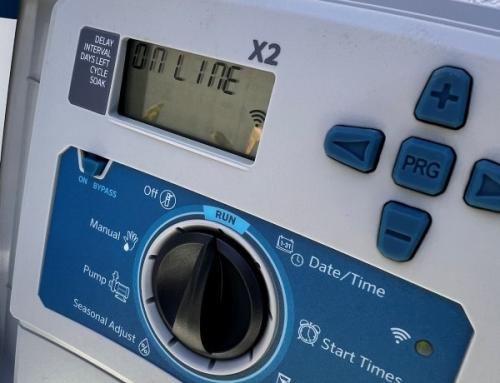
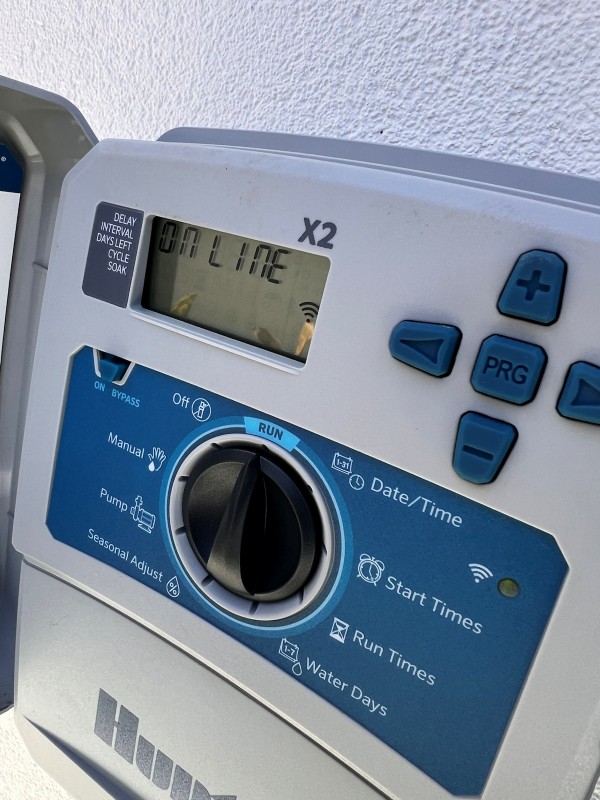
| Irrigation | Controller location, authorised account access, zone information, watering settings and known faults. Transfer access securely. |
| Plant care | Recent planting, establishment watering, ongoing treatments and pruning still to be completed. |
| Open work orders | Identify work approved but unfinished, materials ordered and responsibility for completion or cancellation. |
| Site records | Available visit reports, photographs, maintenance schedules and repair history. |
| Resident communication | New attendance arrangements, access requests and one contact for questions or complaints. |
If records are missing, request a baseline assessment from the new contractor. Photograph the starting condition and list unknowns. Record existing faults before work begins so neither the committee nor the incoming gardener has to guess which problems pre-date the change.
How do you make sure the new arrangement stays on track?
Agree on a first review after the initial recovery work and several scheduled maintenance visits. Compare the same garden areas using dated photographs, completed tasks and the status of reported problems.
Look beyond whether the lawn was cut. Have access paths been cleared? Is the weed backlog being addressed? Were irrigation issues resolved, referred or priced for approval? Does the committee know what is still outstanding?
Some improvements are immediate; plant recovery and staged pruning take longer. Ask for a realistic plan rather than expecting every plant to look restored after the first service.
Use one authorised contact for variations. Conflicting instructions from several residents can make even a well-planned maintenance programme difficult to deliver. Send concerns through the agreed contact and keep the scope current.
What else do committees ask about changing gardeners?
Can we change gardeners without waiting for the AGM?
Possibly. The appropriate route depends on the authority already given, applicable financial restrictions and whether the decision is reserved for a general meeting.
Ask the strata manager or secretary to check those points. The annual meeting is not automatically the only opportunity to review a gardening service.
How much notice do we have to give the gardener?
Check the agreement and the reason for ending it. There is no single notice period that can safely be applied to every gardening arrangement.
If the agreement is unclear or informal, have the accepted quote, emails and other terms reviewed. Do not assume that no signed document means no notice or payment obligations.
Can we cancel immediately because the work is poor?
Poor performance should be documented, but it does not automatically settle the right to terminate immediately. The contract and circumstances may require a particular notice or opportunity to address the breach.
Have that process checked before acting. If an immediate safety or property-damage issue exists, alert the strata manager promptly so protective action can be arranged separately from the contract dispute.
Will a replacement gardener cost more?
Not necessarily. In the example above, the client ultimately spent about the same amount after changing providers. That is one experience, not a guaranteed price outcome for another building.
Compare the first-year total, ongoing maintenance and any initial recovery costs. A similar monthly price may buy a different scope, while a neglected garden may need separately approved work before routine visits can maintain it effectively.
How long does a contractor changeover take?
The timetable depends on notice requirements, approval arrangements and the incoming contractor’s availability. There is no reliable universal timeframe.
Work backwards from a confirmed start date. Allow time for inspections, comparable proposals, approval, notice and access handover, with responsibility for essential watering clearly assigned throughout.
Where can you check the NSW guidance?
- NSW Government: appointing strata managers and other workers
- NSW Government: who’s who in strata and committee decision limits
- NSW Government: running strata meetings
- SIRA: workers compensation insurance exemptions
- ACCC: contracts
Guidance checked November 2026. Confirm the requirements applying to your scheme and agreement before giving termination notice.
Ready to get your strata garden back on track?
Garden Managers Australia provides strata garden maintenance in Sydney’s Eastern Suburbs, including Randwick, Coogee, Bronte, Double Bay, Rose Bay and Vaucluse.
Send us the property address, current maintenance scope and the main problems you want resolved. We can inspect the garden and prepare a proposal that separates initial recovery work from ongoing care, with clear arrangements for irrigation, waste and reporting.
You can request a proposal while reviewing your existing arrangement. Agree the start date once the necessary approval and notice requirements are settled.