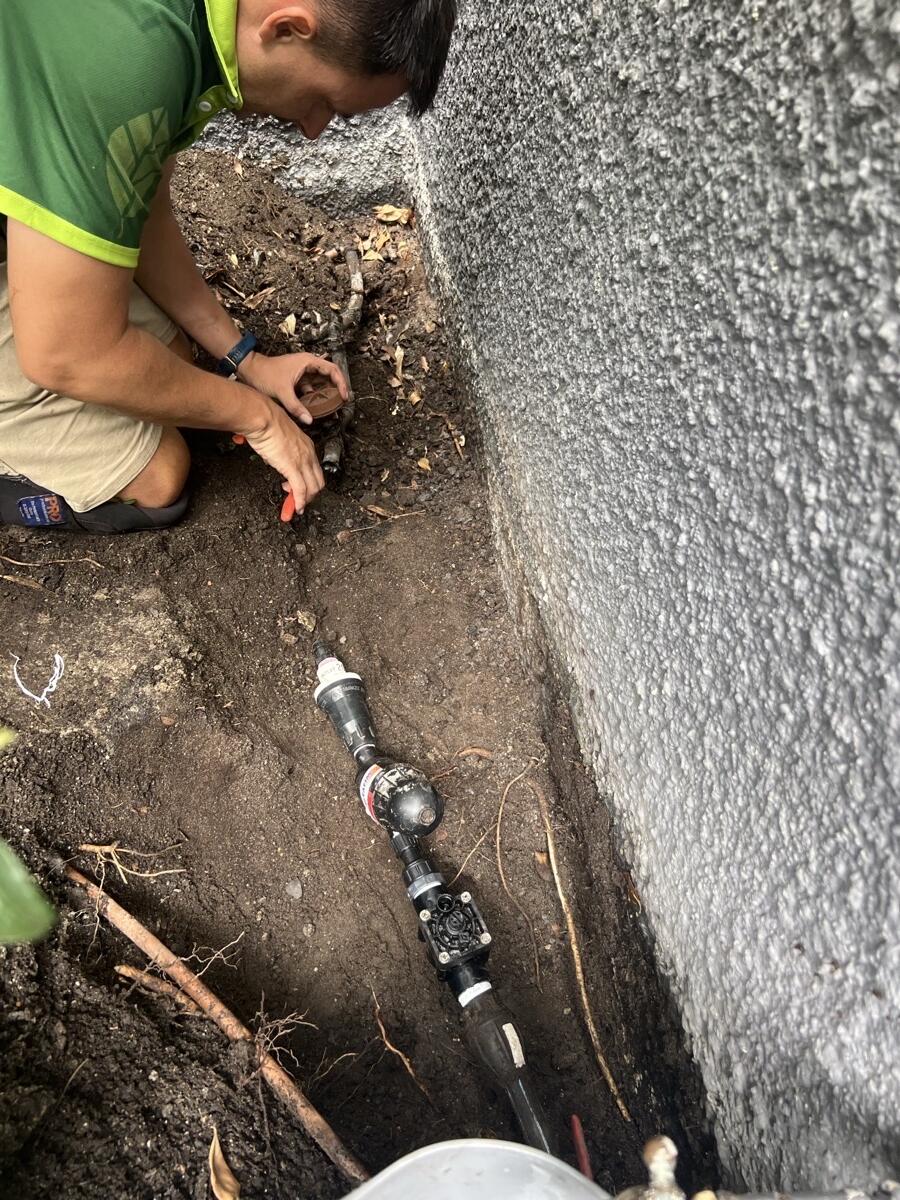
Drip vs Spray Irrigation: The Ultimate Guide for Sydney Strata Landscapes
Efficient irrigation is one of the most cost-effective long-term investments in strata landscape maintenance. With restricted water usage, unpredictable rainfall, and rising maintenance costs, Strata Committees across Sydney need irrigation systems that deliver results and regulatory compliance.
The question often arises: should you choose drip or spray irrigation for your property’s soil type?
The answer isn’t always black and white. It depends heavily on your specific location in Sydney, your soil composition, and your budget. This guide breaks down the pros, cons, and ROI of both systems to help you protect your landscaping assets.
Understanding Sydney’s Soil Variability: From Coast to West
Sydney’s geography is diverse, spanning coastal flats to inland basins. Understanding your local soil profile is critical because it dictates how water absorbs and drains.
- Sandy Soil (Eastern Suburbs & Coastal): Common in areas like Bondi, Coogee, and Manly. This soil is fast-draining with low water-holding capacity. It requires frequent, low-volume watering to prevent water from simply flushing past the roots.
- Clay Soil (Inner West & Western Sydney): Dominant in suburbs like Parramatta, Newtown, and Ryde. Clay has poor drainage but high water-holding capacity. It is highly susceptible to runoff and surface pooling if water is applied too fast.
To explore how your irrigation system interacts with local hydrology, you can reference research from the CSIRO on Australian soil dynamics.
Drip Irrigation: Precision for Sandy and Sloped Sites
Drip irrigation delivers water directly to plant roots through a network of emitters or porous tubing. This controlled distribution minimizes evaporation and ensures every litre counts.
Advantages of Drip Irrigation
- Maximum Efficiency: Up to 90% water efficiency, making it ideal under Sydney Water restrictions.
- Weed Control: Delivers water only to the plant, starving weeds in the surrounding soil.
- Erosion Prevention: Ideal for banks and embankments (common in split-level strata blocks) where runoff is a major risk.
Considerations
- Requires regular checks to prevent emitter clogging.
- Not typically suitable for large open turf areas.
Spray Irrigation: Broad Coverage for Lawns
Spray irrigation uses pop-up sprinklers or rotating heads to distribute water evenly across the surface. This traditional system remains the standard for large strata lawns and recreational common areas.
Advantages of Spray Irrigation
- Fast Coverage: Excellent for large lawns and robust landscape plantings.
- Visual Confidence: Residents and committees can see the system working, making it easier to spot malfunctions.
- Lower Install Cost: Generally cheaper to install initially due to simpler piping requirements.
Considerations
- Evaporative Loss: High water loss during Sydney’s hot, windy summers.
- Runoff Risk: On clay soils, sprays can apply water faster than the ground can absorb it, leading to waste.
Comparison: Drip vs Spray Irrigation Systems
| Feature | Drip Irrigation | Spray Irrigation |
|---|---|---|
| Water Efficiency | High (90%) – Minimal evaporation | Moderate (60–70%) – Subject to wind/heat |
| Initial Cost | Moderate (Tubing network & emitters) | Lower (Standard heads & pipes) |
| Best For | Garden beds, hedges, slopes, sandy soil | Lawns, flat areas, clay soil |
| Compliance | Highly compliant with sustainability credits | Requires smart timing to stay compliant |
Local Compliance and Smart Controllers
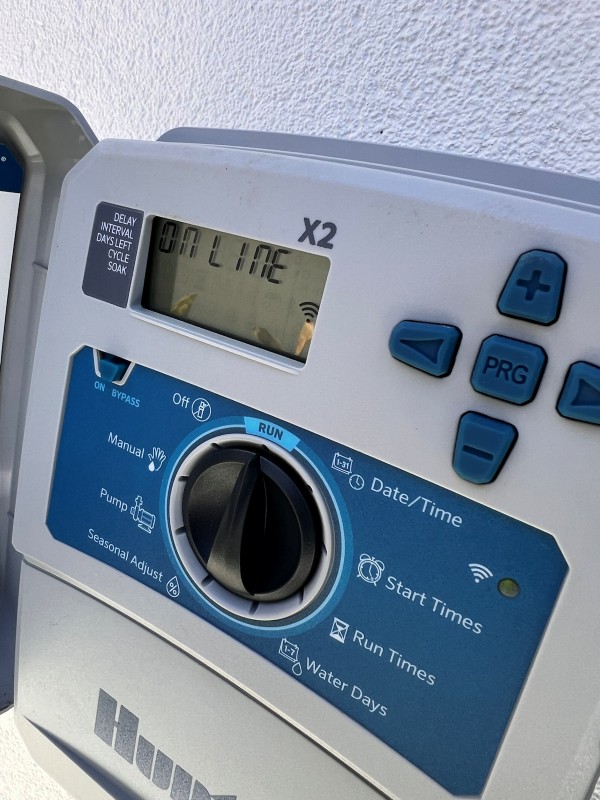
In Sydney, any irrigation installation must comply with Sydney Water guidelines. Modern smart irrigation controllers that sense rain and soil moisture are now standard for high-performing landscapes. These systems align with Sydney Water Wise Guidelines expectations for modern building sustainability standards in Strata Schemes.
Cost, ROI, and Long-Term Asset Protection
While drip irrigation can cost 15–25% more upfront, it delivers long-term savings by reducing water bills and minimizing plant replacement costs. For strata landscapes exceeding 500m², this can translate to thousands in annual savings. A lifecycle cost analysis usually favors a hybrid approach (drip for gardens, spray for lawns) for long-term value. NSW Strata Law Reforms
FAQ: Common Questions on Strata Irrigation
Is drip irrigation cheaper than spray irrigation?
Upfront, drip is usually more expensive. However, it is cheaper to run long-term because it uses significantly less water and reduces weed growth and plant mortality rates.
Which system is best for clay soil in Western Sydney?
Clay soil requires slow watering to prevent runoff. Drip irrigation is excellent here. If using spray for lawns, ensure your contractor uses “MP Rotator” nozzles with a “cycle and soak” setting.
Conclusion
Understanding Sydney’s soil structures, water restrictions, and maintenance requirements will guide whether drip, spray, or a hybrid system delivers the best outcome for your property. Ensure your landscape consultant is Sydney-based and compliant with all strata legislative frameworks.
Ready to upgrade your property’s irrigation efficiency?
Contact Garden Managers at www.gardenmanagers.com.au for a site consultation.
Written by the Expert Team at Garden Managers. Specialists in Sydney strata landscape maintenance and water-efficient irrigation design.