Every Sydney strata property manager knows the sinking feeling of an unexplained budget variance.
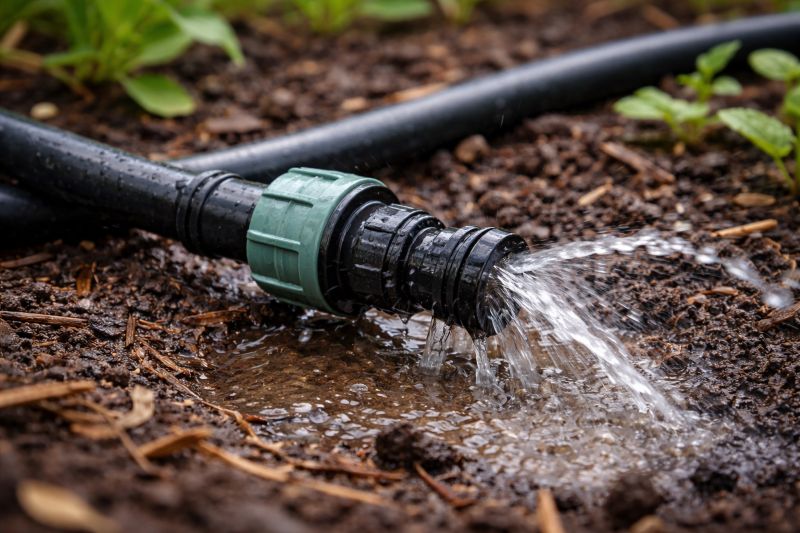
Water is often the most persistent “silent killer” on a balance sheet. Unlike a broken lift or a cracked driveway, an underground irrigation leak is invisible—until the bill arrives. When these leaks go unnoticed, they don’t just waste a precious resource; they quietly erode building budgets, inflate common area levies, and jeopardise your property’s compliance with Sydney Water’s efficiency targets.
A professional Strata Water Audit provides the clarity, control, and savings your Executive Committee needs. Here is how to identify the risks and fix your system before the costs escalate.
Why Irrigation Leaks Are a Financial Risk for Strata
In strata-managed landscapes across Sydney, irrigation systems often span complex, mixed-use environments—from rooftop gardens to expansive common lawns.
Over time, underground pipes, drippers, and solenoid valves degrade due to age, root intrusion (common with Sydney’s aggressive Ficus and Gum varieties), or poor initial installation. The result is a network of hidden leaks that bleed money 24/7.
The Cost of a Single Drop: A single leaking sprinkler emitting just one drop per second can waste more than 7,000 litres per year. When you multiply this across a large strata complex with dozens of zones, the financial loss becomes staggering.
For Executive Committees, what appears as a routine utility cost could actually mask thousands of dollars in avoidable expenditure.
How to Audit Your Strata Irrigation System (4 Steps)
To stop the waste, you need a systematic approach. Here is the industry-standard method for auditing a strata irrigation system.
1. Review Water Usage Trends
Data is your first line of defense. Compare your Sydney Water bills over the last 12 to 24 months. Look for:
-
Irregular consumption spikes that don’t match seasonal changes.
-
Sustained usage increases during cooler months (June–August) when irrigation demand should be near zero.
2. Conduct a Physical Leak Check
You cannot fix what you cannot see. A physical walkthrough should include:
-
Visual Inspection: Walk the grounds while the system is running. Look for pooling water, hissing sounds, or unusually lush/wet soil patches.
-
Hardware Check: Inspect backflow preventers, solenoid valves, and drip lines for visible corrosion or damage.
3. Install Smart Metering or Flow Sensors
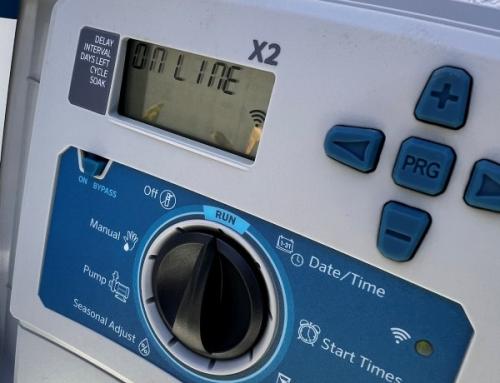
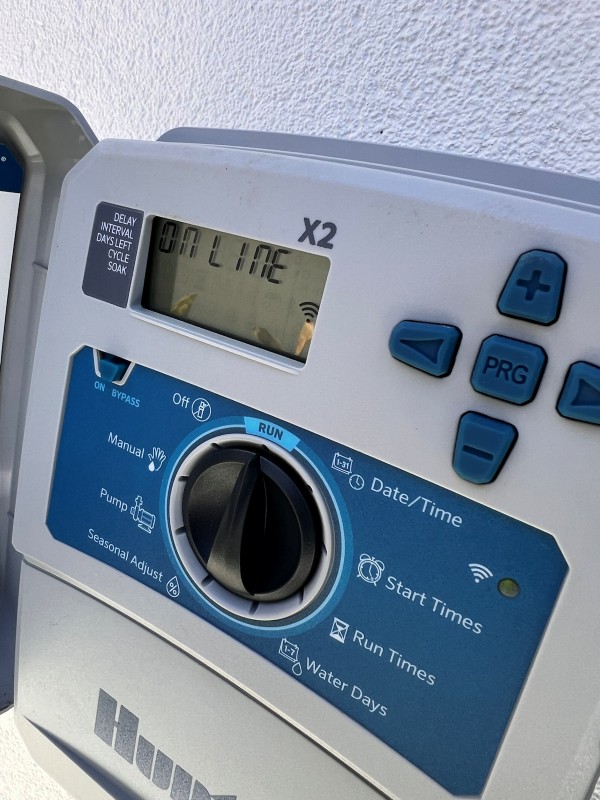
Modernise your leak detection. Digital flow meters connect to central control systems and automatically log water use per zone.
-
The Benefit: They trigger instant alerts for sudden flow anomalies (e.g., a pipe burst), allowing for immediate shut-off rather than waiting for the next quarterly bill.
- Pro Tip: Many buildings are now seeking a NABERS Water Rating, which benchmarks your building’s water efficiency against similar properties in Australia.
4. Engage a Professional Strata Landscape Consultant
While a DIY check is a good start, a professional audit by an accredited irrigation consultant provides precision. This includes:
-
Pressure balance analysis.
-
Emitter uniformity checks.
-
Soil moisture readings.
The True Cost of Doing Nothing
Ignoring irrigation maintenance is a false economy. Beyond the literal cost of water, undetected leaks undermine the asset value of the property:
-
Landscape Damage: Overwatered zones lead to root rot, fungal disease, and the expensive premature replacement of plants.
-
Structural Risks: continuous water saturation near building foundations can lead to waterproofing failure—a massive capital works expense.
-
Governance Issues: Inefficiencies conflict with sustainability objectives set by the Body Corporate and may violate emerging environmental accountability frameworks.
Comparison: Old vs. New Leak Detection
Compliance and Best Practice in NSW
Strata committees in NSW have a statutory duty to maintain common property in a state of good repair under the Strata Schemes Management Act 2015.
Regular irrigation audits are not just about saving money; they are about demonstrating due diligence. As Sydney faces inevitable future water restrictions and tariff adjustments, committees that act now to improve irrigation efficiency are future-proofing the property against drought-driven policy shifts.
For detailed guidelines on compliant water use, refer to the Sydney Water ‘Water Wise’ Guidelines.
Maximising ROI from Leak Detection
-
Annual Audits: Schedule assessments in Spring, ahead of the peak irrigation season.
-
Data-Driven Decisions: Use flow data to justify capital improvements to the AGM.
-
Budget Transparency: Translate efficiency gains into levy savings to show value to owners.
FAQ: Strata Irrigation & Water Saving
Q: How often should a strata scheme audit its irrigation? A: At a minimum, a full professional audit should occur annually, preferably in late winter or early spring. Visual checks should happen monthly during landscape maintenance.
Q: Can smart irrigation systems really save money? A: Yes. By detecting leaks early and adjusting watering based on local weather (rain sensing), smart systems can reduce water usage by up to 30–50%.
Q: Who is responsible for irrigation leaks in a strata scheme? A: Generally, the Owners Corporation is responsible for maintaining irrigation systems within common property. See the NSW Fair Trading guide on common property repairs for specific responsibilities.
Protect Every Drop and Every Dollar
Irrigation leaks are not just a maintenance nuisance—they are a financial and environmental liability. By implementing smart monitoring, professional auditing, and strategic budget planning, Sydney strata committees can significantly reduce operational costs while enhancing sustainability credentials.
Don’t wait for the next high water bill to act.
Ready to audit your system?
Contact Garden Managers today for a professional consultation and stop your budget from leaking away. Visit www.gardenmanagers.com.au