Irrigation System Audit Sydney 2026 — What’s Included and What It Costs
Most irrigation faults in Sydney properties are invisible until they cause a problem — a spike in the water bill, a dead garden bed, or a compliance notice from Sydney Water. A proper audit finds them first. Here’s exactly what it involves and what it costs.
✓ 2026 Sydney Pricing
✓ Strata & Residential
✓ Real Faults Found
An irrigation system audit in Sydney costs $180–$380 for a residential property and $280–$580 for a strata or commercial property, depending on the number of zones and system complexity. A full audit includes: zone-by-zone activation and inspection, sprinkler head and emitter check, solenoid valve testing, controller programming review for Sydney Water compliance, pressure check, and a written report with prioritised recommendations. Most Sydney properties audited for the first time have at least two or three faults identified — many of them invisible to the owner and actively wasting water or damaging the garden.
There’s a particular conversation we have regularly with new clients. They call us about something unrelated — a garden maintenance quote, an irrigation repair — and we ask how long since their irrigation system was last properly checked. The answer is almost always some version of: “We set it up a few years ago and haven’t really looked at it since.”
That’s not unusual. It’s the norm. Most irrigation systems in Sydney run for years without a systematic audit — being adjusted occasionally, repaired when something obviously breaks, but never comprehensively checked. The consequence is a slow accumulation of faults: a sprinkler head that’s been gradually sinking for two years and now sprays a third of the coverage it should, a solenoid valve that sticks open for ten minutes after every cycle and nobody has noticed, a controller that reset to a 3am schedule after a power outage six months ago.
None of these faults are dramatic. None of them cause an obvious emergency. They just quietly waste water, damage plants and — in the case of Sydney Water compliance issues — expose the property to fines that can start at $220 for individuals and $550 for strata bodies corporate.
An irrigation audit finds all of it. Here’s exactly what it involves.
What a Proper Irrigation System Audit Includes — Every Check
There’s no industry-standard definition of an “irrigation audit” — which means the quality and thoroughness varies significantly between providers. Here’s what a comprehensive audit should include, and what we cover on every audit we carry out in Sydney.
-
1
Zone-by-Zone Activation and Walk
Every zone in the system is activated individually and walked while running. This is the foundation of everything else — you can’t identify most faults without observing the system under normal operating conditions. We’re checking coverage pattern, spray direction, pop-up height, run-off onto hard surfaces and any visible breaks or leaks. This step alone typically identifies 60-70% of the faults found in an audit.
-
2
Sprinkler Head and Emitter Inspection
Every head is inspected individually — pop-up heights checked, nozzles examined for clogging or damage, arc adjustments verified, and spray patterns assessed against the intended coverage area. Drip emitters are checked for blockages, splits and pressure compensation function. Blocked or misaligned heads are one of the most common faults we find — and one of the easiest to fix.
-
3
Solenoid Valve Testing
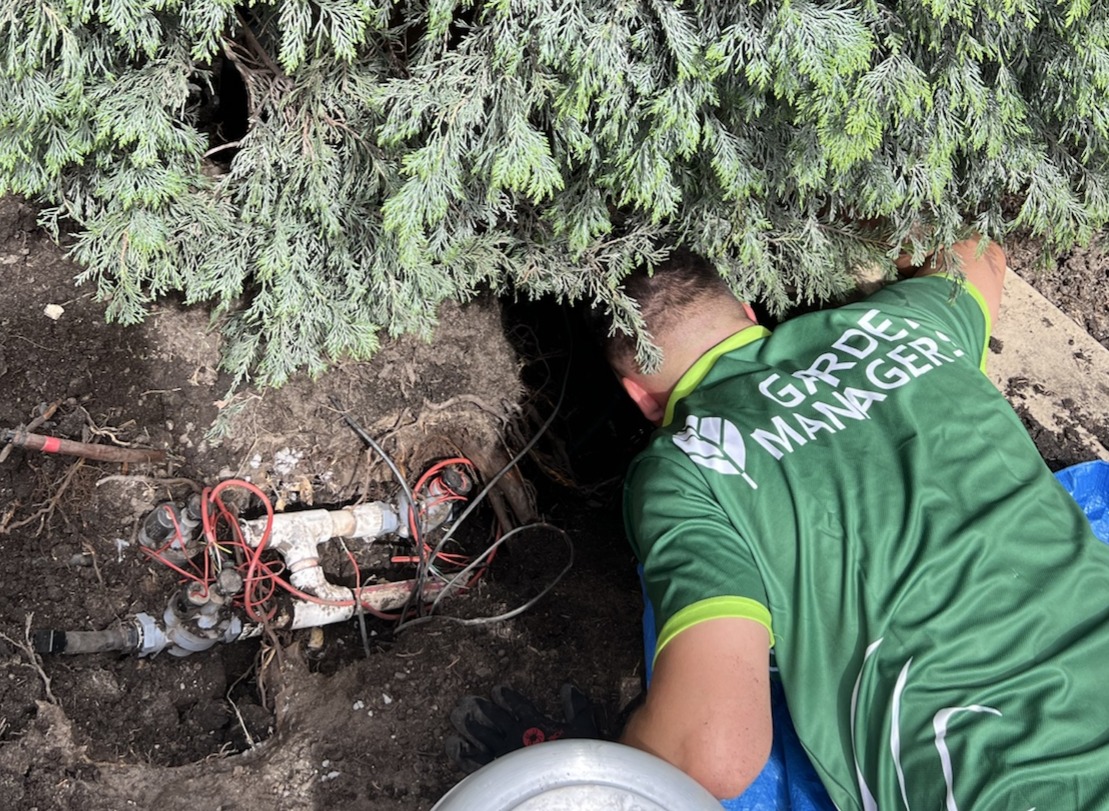
Each solenoid valve is tested for clean activation and deactivation. A valve that activates slowly, doesn’t fully close, or shows signs of wear is identified and documented. Solenoid failure is the most expensive irrigation fault — a valve stuck open runs its zone continuously regardless of the controller schedule. We’ve found properties where a stuck solenoid had been running a zone for weeks, completely undetected, adding hundreds of dollars to the water bill.
-
4
Controller Program Review and Compliance Check
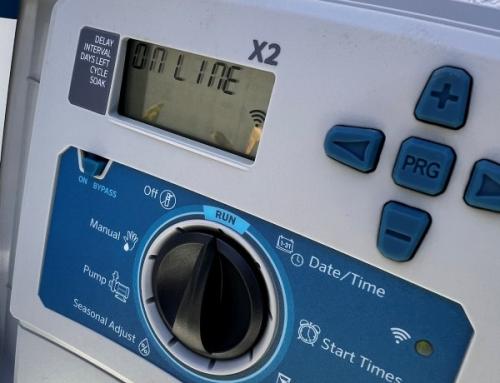
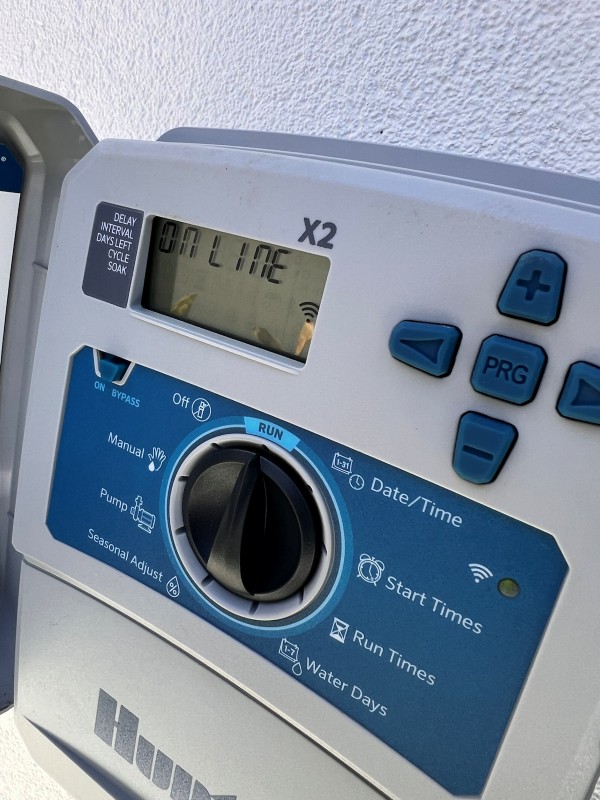
The controller schedule is reviewed against Sydney Water’s Water Wise Guidelines — all automated systems must run before 10am or after 4pm year-round. We check start times, run durations per zone, seasonal adjustment settings and battery backup status. This step identifies compliance issues that the property owner is usually completely unaware of — particularly schedule resets after power outages that leave the system running outside permitted windows.
-
5
Pressure Check
System pressure is checked at the point of supply and compared against the operating range of the installed heads and emitters. Low pressure causes inadequate coverage — heads that don’t pop up fully, drip emitters that don’t deliver the specified flow rate. High pressure causes misting, run-off and accelerated wear on nozzles and seals. Both are common in Sydney’s Eastern Suburbs where the water mains pressure can vary significantly between streets and properties.
-
6
Leak Detection — Surface and Underground
We walk the entire irrigation area looking for wet spots, sunken soil, unexplained pooling or unusually green patches that indicate underground leaks. We also check all above-ground fittings, joiners and exposed pipe runs for drips or weeping. Underground leaks are often invisible at the surface — but a pressure drop across a zone during the walk test frequently identifies them before they become visible.
-
7
Written Audit Report with Prioritised Recommendations
Every audit concludes with a written report — faults identified, priority level (urgent, recommended, advisory), repair options and estimated costs. For strata properties, the report is formatted for committee presentation and includes before/after photos of any identified issues. This report is what enables the committee or property owner to make an informed decision about what to repair immediately and what to schedule for later.
The Most Common Faults We Find in Sydney Irrigation Audits
After auditing irrigation systems across Sydney’s Eastern Suburbs for over a decade, the problems we encounter follow clear patterns. Here are the faults that come up most frequently:
Systems running outside Sydney Water’s permitted hours — most commonly after power interruption resets the schedule.
Sprinkler heads knocked by mowers, foot traffic or settling that are now watering paths, fences or nothing at all.
Controllers running summer frequency and duration through winter — overwatering by 40-60% and increasing fungal risk.
Valves that don’t fully close — running for minutes after the schedule ends. Usually invisible until the water bill arrives.
Mineral deposits and sediment blocking drip emitters on garden beds — plants showing stress while the system appears to be running.
Pipe joints or fittings leaking below grade — often running for months undetected, adding significantly to water costs.
“The one that catches people off guard is the solenoid that doesn’t fully close. The garden looks fine — it’s getting water on schedule. But when we run the zone and time how long after it shuts off before the water actually stops, we find three or four minutes of unscheduled flow on every cycle. That’s seven or eight minutes of additional water per day, 50 minutes per week, three-and-a-half hours per month — running outside the Sydney Water permitted window and adding silently to the water bill. We find this on roughly one in three systems we audit in the Eastern Suburbs.”
What We Found on a Recent Strata Audit
A 28-lot strata complex in Sydney’s Eastern Suburbs called us after receiving a water bill significantly higher than the same quarter the previous year — an increase of roughly $280. The strata manager suspected the irrigation but had no documentation of when it had last been serviced.
What the audit found across four zones:
- Zone 1: Controller schedule reset to 3am after a power outage — running outside Sydney Water permitted hours for an unknown period, potentially months
- Zone 2: Three sprinkler heads misaligned from a recent landscaping job — two watering a boundary wall, one pointing at a pathway
- Zone 3: Solenoid valve not fully closing — adding approximately 4 minutes of unscheduled flow to every cycle, 7 days per week
- Zone 4: Drip emitters serving a garden bed completely blocked — that bed had been receiving no water for the entire summer despite the system appearing to run normally
Total repair cost: $380 — two head adjustments, one solenoid replacement, emitter flush, controller reprogram and compliance reconfiguration. The estimated ongoing water waste from the three operational faults was approximately $45 per month. The audit paid for itself within nine months and resolved the water bill spike immediately.
When Does an Irrigation System Need an Audit?
There’s no strict rule — but these are the situations where an audit moves from optional to genuinely important:
- You’ve never had a professional audit — if the system was installed more than two years ago and has never been comprehensively checked, there are almost certainly faults accumulating silently. Every additional year without an audit increases both the fault count and the cost to repair.
- Your water bill has increased unexpectedly — an unexplained spike in a water bill at a property with irrigation is a stuck solenoid, an underground leak or an over-scheduled controller until proven otherwise. An audit finds the cause within an hour in most cases.
- The system is more than 5 years old — solenoid valves, drip emitters and spray nozzles have finite lifespans. A 5-year-old system has components approaching end-of-life and should be checked before they start failing.
- You’ve had any recent work near the irrigation — landscaping, construction, drainage works or even significant digging around the property regularly damages irrigation components. An audit after any significant site work confirms nothing was disturbed.
- You’re buying or taking over a property — before committing to ongoing responsibility for an irrigation system, knowing its current condition and what’s likely to need attention in the next 12-24 months is valuable due diligence.
- You’re upgrading the controller — always audit the existing system before investing in a smart controller upgrade. There’s no point installing a $500 Hydrawise controller onto a system with two failing solenoids and half the heads misaligned. The audit tells you what to fix before you upgrade.
- The system hasn’t been adjusted for the season — most Sydney irrigation controllers are still running their last manually-set schedule, often from the previous summer. An audit at the start of winter identifies both the seasonal adjustment needed and any faults that accumulated over summer.
For strata bodies corporate, Sydney Water compliance isn’t optional. The Water Wise Guidelines apply year-round and fines start at $550 for business entities. An irrigation system running outside permitted hours — even if due to a technical fault like a schedule reset rather than deliberate non-compliance — exposes the Owners Corporation to fines and creates a documented liability. An annual audit that confirms compliance is the most straightforward protection available. Without documentation, a committee cannot demonstrate that due diligence was exercised.
Irrigation Audit Costs in Sydney 2026 — What to Expect
| Property Type | Typical Cost 2026 | Inclusions |
|---|---|---|
| Small residential Up to 3 zones, house or townhouse |
$180–$280 | Full zone walk, heads, solenoids, controller check, verbal report |
| Medium residential 4–6 zones, established garden |
$280–$380 | Full zone walk, heads, solenoids, pressure check, written report |
| Small strata complex Up to 6 zones, boutique block |
$280–$420 | Full audit, compliance check, written committee report with photos |
| Medium strata complex 7–12 zones, established complex |
$380–$580 | Full audit, zone mapping, compliance documentation, repair cost estimates |
| Large strata or commercial 12+ zones, estate or commercial grounds |
$580–$950+ | Comprehensive audit, full zone map, compliance report, smart controller assessment |
| Audit + minor repairs Audit with same-visit adjustments |
$280–$520 | Head adjustments, emitter flush, controller reprogram included in visit |
The audit cost covers the inspection, testing and report. Repairs identified during the audit are quoted and priced separately — you decide what to proceed with and when. Most minor repairs (head adjustments, controller reprogram, emitter flush) can be completed on the same visit at an additional cost. Major repairs (solenoid replacement, underground leak repair, new controller installation) are typically scheduled as a follow-up job. A good audit provider will give you a clear written quote for all identified repairs before proceeding with anything.
Book an irrigation audit in Sydney this winter
Faster turnaround now than in spring. We service residential and strata properties across Greater Sydney. Fixed pricing, written report included.
Can You Audit Your Own Irrigation System?
Yes — to a degree. Walking your system while it’s running and checking for obvious problems takes 20 minutes and costs nothing. Here’s what you can check yourself:
- Activate each zone from the controller and walk the area while it runs
- Look for heads that aren’t popping up fully, spraying in the wrong direction, or showing no output at all
- Check for obvious pooling, run-off onto paths, or wet spots between zones that suggest a leak
- Open your controller and confirm the start times are within Sydney Water’s permitted window — before 10am or after 4pm
- Time how long after a zone shuts off before it actually stops running — more than 60 seconds suggests a solenoid not closing fully
What a self-check can’t do is identify pressure issues, blocked emitters (which look fine but aren’t flowing), underground leaks, solenoid wear that hasn’t yet caused visible failure, or compliance issues in the controller programming that aren’t immediately obvious on the display. For a system older than two or three years — or for a strata property where compliance documentation matters — a professional audit gives you the complete picture that a self-check can’t.
Irrigation Audits as Part of Your Strata Maintenance Program
For strata properties in Sydney, we recommend an irrigation audit at minimum once per year — typically at the start of winter when demand is low and faults can be repaired without urgency before the spring peak.
In our strata garden maintenance programs, irrigation auditing is integrated into the annual service calendar:
- Annual comprehensive audit — written report formatted for committee minutes
- Seasonal controller adjustment at each program change — compliance verified and documented
- Solenoid valve check included in every regular maintenance visit
- Smart controller monitoring via Hydrawise contractor dashboard — alerts sent to us, not just to you
- Water consumption tracking for committee reporting and levy budget documentation
Frequently Asked Questions — Irrigation Audits Sydney
How much does an irrigation system audit cost in Sydney in 2026?
An irrigation system audit in Sydney costs $180–$280 for a small residential property (up to 3 zones), $280–$380 for a medium residential property (4–6 zones), and $280–$580 for strata properties depending on zone count and complexity. Large strata complexes and commercial properties with 12+ zones typically cost $580–$950+. These prices cover the full audit inspection and written report. Repairs identified during the audit are quoted separately.
What does an irrigation system audit include?
A comprehensive irrigation system audit includes: zone-by-zone activation and walk inspection, sprinkler head and emitter check, solenoid valve testing, controller program review for Sydney Water compliance, system pressure check, underground leak detection, and a written report with prioritised repair recommendations. For strata properties, the report should be formatted for committee presentation and include photographs of any identified issues.
How often should an irrigation system be audited in Sydney?
For residential properties, an irrigation audit every two years is a reasonable minimum for systems that are working without obvious problems. For systems older than five years, annual audits are recommended as components approach end of life. For strata properties, an annual audit is strongly recommended — Sydney Water compliance documentation requires that the committee can demonstrate the irrigation system is being actively managed, and an annual audit report provides that evidence. The best time for an audit in Sydney is the start of winter — demand is low, faults can be repaired without urgency and the system is ready for spring before peak demand returns.
Can an irrigation audit find leaks?
Yes — a professional irrigation audit identifies above-ground leaks from fittings, pipe runs and heads as well as underground leaks detected through pressure drop testing, wet spots and unusually saturated soil. Flow meter-equipped systems can detect underground leaks precisely through consumption anomalies. Underground leaks that haven’t surfaced visibly are often identified through pressure drop across a zone during activation — significantly lower pressure than expected suggests a break in the line below grade. In our experience, underground leaks are found in approximately one in four strata properties audited for the first time.
Is a pre-winter irrigation audit worth it for a Sydney strata property?
Yes — winter is the best time for a strata irrigation audit in Sydney for three reasons. First, the system is under lower demand, so faults can be repaired without urgency and without the plants being immediately affected. Second, the controller needs a seasonal adjustment for winter anyway — combining the audit and adjustment into one visit is cost-effective. Third, by completing the audit in June–July, the system is fully serviced and ready when spring demand increases from September. Waiting until spring to audit an irrigation system means finding faults just as demand peaks — higher repair urgency, potentially stressed plants and less flexibility on timing.
Book an Irrigation Audit in Sydney This Winter
We carry out full irrigation system audits across Sydney’s Eastern Suburbs and Greater Sydney — residential, strata and commercial. Fixed pricing, written report, same-week bookings available. Book now before the spring rush.