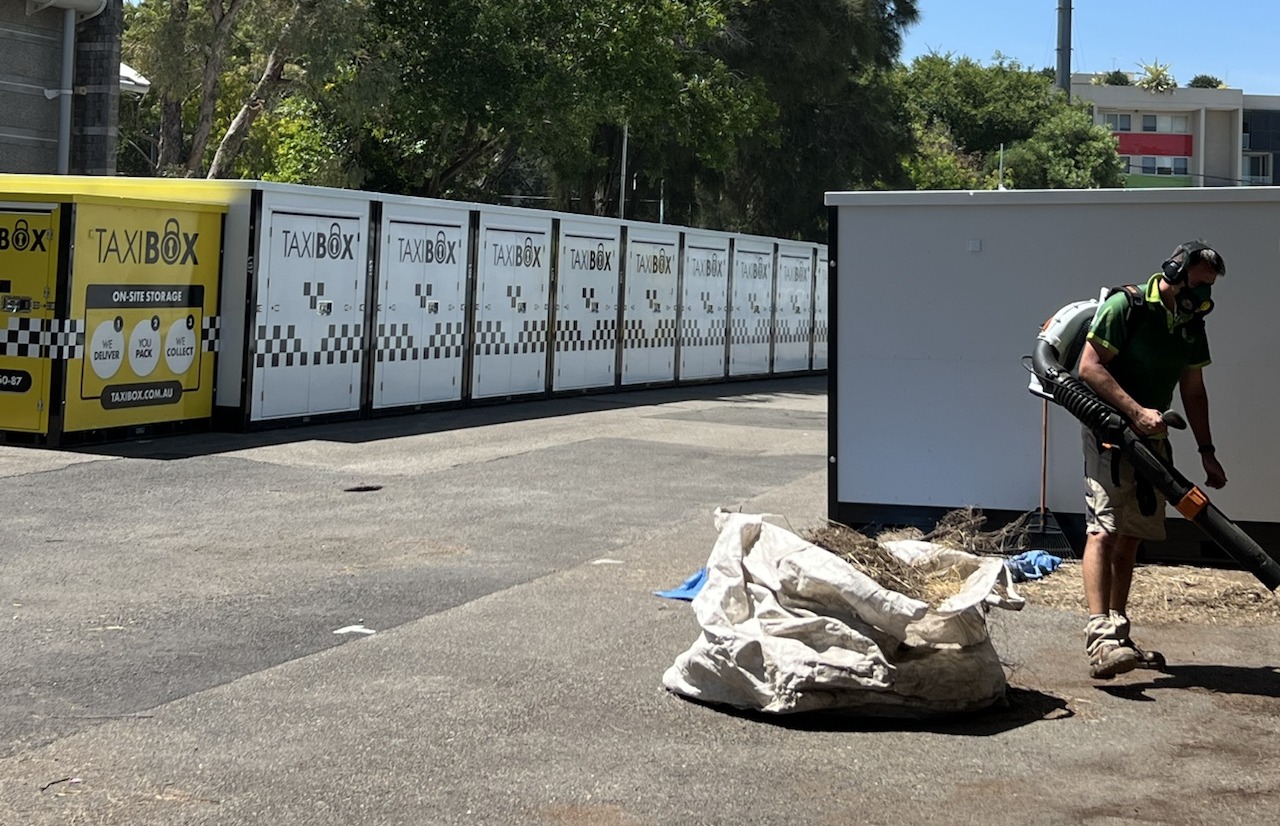
In Sydney’s highly competitive property market, the right landscape maintenance contract is the difference between a thriving, high-value asset and a frustrating burden for your strata committee. Too many Executive Committees rush into agreements without asking the crucial questions that safeguard long-term ROI, legal compliance, and resident satisfaction. If you want to hire the best strata gardeners Sydney can offer, it starts with proper due diligence.
Executive Summary for Strata Committees:
- Compliance: Always verify NSW Fair Trading licenses and strata-specific insurance.
- Scope: Demand granular detail on seasonal inclusions, irrigation, and waste removal.
- Reporting: Choose proactive partners who provide digital audits and horticultural reporting.
- Value: Don’t just look at the bottom line; assess how the landscaping will increase property valuation and rental yields.
Here are the five essential questions you must ask before hiring a strata landscape contractor.
1. Are They Licensed, Insured, and Compliant with NSW Regulations?
Before evaluating costs or horticultural knowledge, you must confirm your prospective contractor is legally compliant. A legitimate operator will hold the relevant licenses under NSW Fair Trading and carry comprehensive public liability and workers’ compensation insurance.
Non-compliant contractors expose the Body Corporate to severe legal and financial risks, including liability claims for on-site injuries or property damage. Always request current Certificates of Currency and ensure their coverage limits meet the requirements outlined in your specific strata plan.
2. What is Included (and Excluded) in the Landscape Maintenance Contract?
Many strata committees make the mistake of signing contracts without a clearly defined scope of services. Over time, ambiguity leads to conflicts over responsibilities, inconsistent garden presentation, and inflated ad-hoc costs.
A professional strata garden maintenance contract should detail:
- Service frequency: Weekly, fortnightly, or monthly visits.
- Seasonal requirements: Pruning, mulching, and planting schedules.
- Specialized care: Fertilising schedules, irrigation checks, and pest management.
- Green waste: Clear expectations around waste removal and site cleanup.
3. How Do They Measure Performance and ROI?
Major strata gardens are long-term capital investments. The most reliable strata gardeners combine deep horticultural expertise with performance metrics that align with your property’s asset management plan. Ask how they assess success—do they rely on quick visual checks, or do they utilize soil analysis and photographic audits?
The Evolution of Strata Garden Maintenance
| Feature | Traditional Gardening Approach | Modern, ROI-Focused Approach (The Best Strata Gardeners) |
|---|---|---|
| Strategy | Reactive: Fixes issues only as they arise or after complaints. | Proactive: Anticipates seasonal issues through environmental monitoring. |
| Service Plans | Generic: Applies the same basic mowing/edging template to all properties. | Customized: Tailored plans designed for specific microclimates and resident usage. |
| Reporting | Opaque: No data-driven feedback loops or asset tracking. | Transparent: Digital reporting and horticultural audits for the Body Corporate. |
4. How Do They Support Sustainability and Water Efficiency?
Across Sydney, climate conditions and water restrictions can change rapidly. Contractors who are intimately familiar with Sydney Water guidelines can save your strata scheme thousands of dollars in utilities and potential fines.
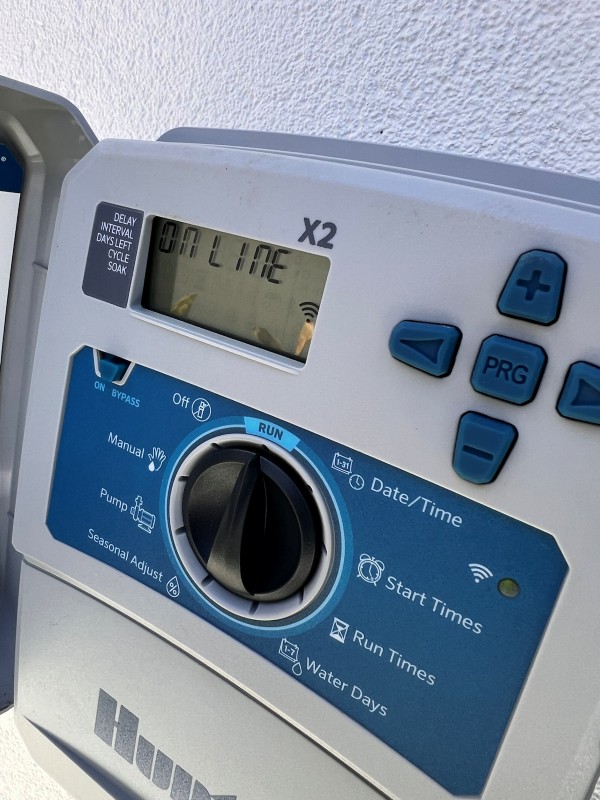
Your landscaping partner should help optimize irrigation schedules, install smart water-efficient systems, and recommend drought-tolerant native plantings that maintain aesthetic appeal. A top-tier contractor acts as an environmental partner, supporting your property’s Environmental, Social, and Governance (ESG) objectives.
5. What is Their Track Record with Sydney Strata Schemes?
Strata landscaping is significantly more complex than standard residential garden maintenance. It requires navigating the communication flow between building managers, strata committees, and individual residents.
Signs of proven strata experience include:
- A portfolio of positive testimonials from large, multi-dwelling sites.
- Transparent pricing models free from hidden surcharges.
- Established escalation protocols for urgent issues, such as severe storm damage or sudden irrigation failures.
Calculating Real Value: Cost vs. Asset Longevity
Strata committees must balance short-term operational budgets with long-term property value. While a premium landscape maintenance contract may cost slightly more upfront, superior horticultural management drastically reduces the need for expensive replanting and preserves the site’s presentation over decades.
In the highly competitive Sydney strata market, impeccable curb appeal correlates directly with higher property valuations, increased rental performance, and happier residents.
Maximizing ROI: Next Steps for Executive Committees
- Review performance quarterly: Tie landscaping results directly to strata budgets.
- Align horticultural plans: Ensure garden upgrades match your capital works schedules.
- Demand AGM-ready reporting: Ensure your contractor provides clear, visual reporting suitable for your Annual General Meeting.
Conclusion
Selecting the right strata landscape contractor requires strategy and due diligence. By asking these five critical questions, you ensure every dollar from the strata levy contributes to visual excellence and asset longevity. A well-structured horticultural partnership will elevate the reputation, safety, and sustainability of your Sydney strata property.
Ready to upgrade your property’s presentation? Contact Garden Managers at www.gardenmanagers.com.au for a comprehensive strata consultation today.