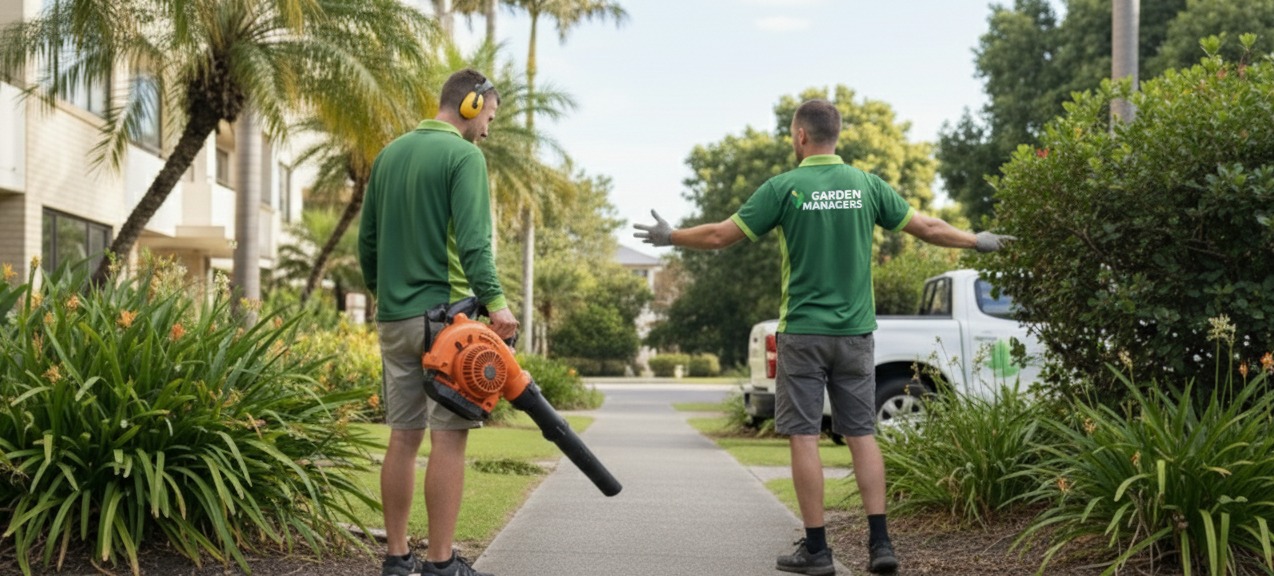
In Sydney’s competitive strata property market, landscaping is far more than an aesthetic concern. Strategic, sustainable strata landscaping directly increases property value, improves tenant retention, and ensures compliance with NSW water-use regulations and environmental obligations. Yet, many owners corporations still manage common-area gardens reactively — missing the substantial long-term financial benefits of a proactive, eco-efficient approach.
This guide explores how strata committees across Greater Sydney can transition from costly, high-maintenance garden practices to a sustainable model that delivers measurable ROI, lowers levies, and future-proofs their scheme against tightening environmental standards.
Why Sustainable Strata Landscaping Matters in Sydney
Traditional strata landscaping in Sydney prioritised fast visual results — exotic lawns, high-water ornamentals, and maintenance-heavy garden beds that looked impressive during inspections but drained levy funds year-round. Today, that model is increasingly untenable.
Rising water tariffs, Sydney Water’s efficiency guidelines, and growing buyer and tenant demand for eco-conscious communities have fundamentally changed the value equation. Sustainability is no longer a ‘nice to have’ — it is a direct driver of ROI.
According to Sydney Water’s water efficiency programs, proactive irrigation management and plant selection can save strata schemes thousands of dollars annually, while providing critical protection during drought periods.
Financial Benefits of Sustainable Strata Gardens
The financial case for sustainable strata garden maintenance in Sydney is compelling and well-documented across the industry:
- Lower operational costs: Drought-tolerant plants combined with automated, sensor-driven irrigation systems can reduce water consumption by up to 60%, delivering immediate savings on utility bills.
- Improved asset value: Research consistently shows that well-maintained, green common areas increase strata property values and rental yields. Eco-credentials now feature prominently in buyer and tenant decision-making.
- Streamlined upkeep: Native and low-maintenance species require fewer intervention cycles — less mowing, less chemical treatment, and less reactive repair work — freeing levy funds for capital improvements.
- Reduced compliance risk: Sustainable landscape designs align tightly with NSW water restrictions, council greening policies, and strata legislative requirements, reducing exposure to penalties and disputes.
- Predictable long-term budgeting: A planned sustainable landscape reduces the likelihood of unplanned special levies caused by reactive garden failures or water-damage events.
Traditional vs. Sustainable Strata Landscaping: A Direct Comparison
The table below illustrates the key differences between conventional strata garden management and a modern, sustainability-focused strategy:
| Category | Traditional Approach | Sustainable Strategy |
| Water Usage | High – exotic lawns and thirsty shrubs consume 40–60% more water | Low – drought-tolerant natives and smart sensors reduce usage by up to 60% |
| Maintenance Frequency | Weekly mowing, trimming, and pest management year-round | Reduced cycles with mulching, slow-growing natives, and self-regulating systems |
| Annual Cost | High ongoing spend on water, labour, and chemical inputs | Lower long-term cost after initial investment, typically ROI within 2–4 years |
| Compliance Risk | Vulnerable to Sydney Water restrictions and NSW environmental guidelines | Fully aligned with water efficiency standards and local council requirements |
| Property Appeal | Generic streetscape with limited ecological value | Premium green credentials that attract eco-conscious buyers and tenants |
| Biodiversity | Monoculture turf with little wildlife habitat | Native planting supports local pollinators, birds, and soil health |
| Levy Impact | Reactive spend leads to unpredictable special levies | Planned 5–10 year budgets reduce financial surprises for owners corporations |
How to Implement a Sustainable Strata Landscape Plan
Transitioning your strata scheme to a sustainable landscape model does not require an overnight overhaul. A phased, budget-conscious approach ensures your owners corporation can plan expenditure, manage risk, and achieve clear milestones.
1. Conduct a Comprehensive Strata Garden Audit
Begin with a detailed audit of your existing garden assets. A professional site assessment will identify inefficiencies in your current irrigation infrastructure, soil health, plant suitability, and water usage patterns. This baseline data is essential for investment forecasting, grant applications, and producing a defensible long-term maintenance plan that committees can present to owners.
2. Upgrade to a Smart Irrigation Framework
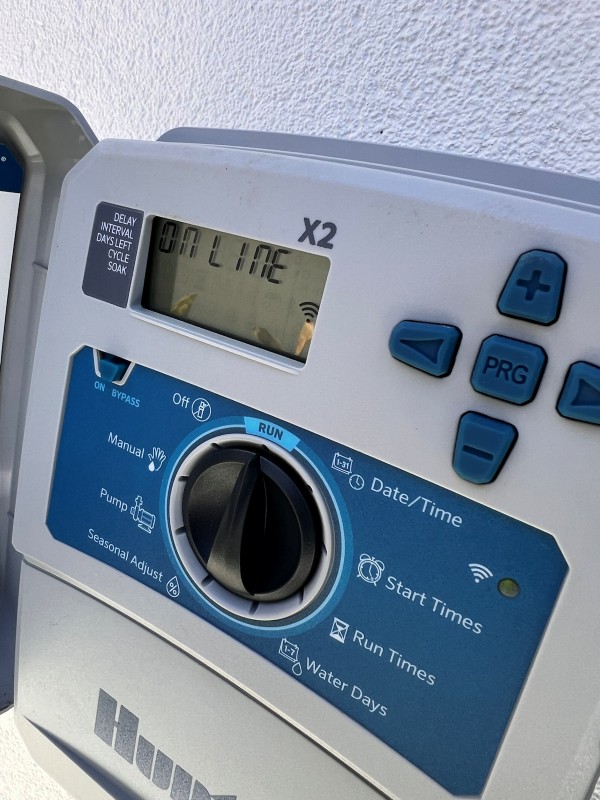
Irrigation is the single largest controllable cost in strata garden maintenance. Installing a smart irrigation system — incorporating rain sensors, soil moisture detectors, and programmable zone controllers — eliminates water waste and ensures full compliance with Sydney Water’s current restrictions. Expert irrigation system installation and ongoing repair services are the cornerstone of any sustainable strata landscape strategy.
3. Prioritise Low-Maintenance, Native Planting
Sydney’s native and endemic species — including Banksias, Grevilleas, Lilly Pillies, Lomandras, and coastal rosemary — are perfectly adapted to local climatic conditions. They require significantly less water once established, support local biodiversity, and create a distinctive, premium streetscape that resonates with contemporary buyers and tenants. Strategic mulching and correct plant spacing further suppress weed growth, reducing maintenance frequency and chemical inputs.
4. Develop a 5–10 Year ROI-Focused Maintenance Plan
Sustainable landscaping should be treated as a depreciating asset that requires planned capital investment — not reactive patching. Work with a qualified strata garden maintenance provider to develop a rolling maintenance schedule that aligns with your scheme’s sinking fund forecasts and annual levy budgets. A documented plan also demonstrates governance best practice and can strengthen your scheme’s insurance position.
Compliance and Governance Obligations
Under the Strata Schemes Management Act 2015 (NSW), owners corporations are legally required to maintain common property in a state of good repair. Landscaping that wastes water, degrades soil health, or causes damage to neighbouring lots can expose the committee to statutory penalties, NCAT disputes, and inflated levies.
Proactive governance in sustainable strata landscaping should include:
- Verifying that all landscape contractors hold current licences and public liability insurance
- Maintaining water-use records and irrigation servicing logs
- Reviewing annual sustainability reports from your landscape provider
- Ensuring plant selection and irrigation design comply with relevant local council planning controls
Documenting these activities not only reduces legal exposure but also builds the transparency and trust that well-run strata schemes rely upon.
The Future of Sustainable Strata Landscaping in Sydney
Sydney’s local councils are progressively tightening their urban greening benchmarks, biodiversity requirements, and stormwater management standards. Green infrastructure — including permeable surfaces, bioswales, and native plantings — is increasingly being embedded into DA conditions and building certifications.
Strata schemes that invest in sustainable landscaping now will be strongly positioned for these regulatory changes. Beyond compliance, early movers benefit from reduced future retrofit costs, stronger capital growth trajectories, and a differentiated market position that appeals to Sydney’s growing cohort of sustainability-minded buyers and tenants.
Frequently Asked Questions (FAQ)
How much can sustainable strata landscaping save annually in Sydney?
Savings vary depending on garden size, current water usage, and irrigation infrastructure. However, schemes that transition to smart irrigation and drought-tolerant planting typically report water bill reductions of 30–60%, alongside lower maintenance labour costs. Most sustainable landscape upgrades achieve full ROI within two to four years.
Are native plants suitable for all Sydney strata gardens?
Yes. Sydney’s native species are highly adaptable and available in a wide range of forms — groundcovers, hedging plants, shade trees, and flowering specimens — suitable for courtyards, balconies, rooftop gardens, and full landscaped common areas. A qualified strata horticulturalist can match species to your soil type, aspect, and aesthetic brief.
Do strata schemes need council approval for landscape changes?
Minor works such as replanting garden beds or upgrading irrigation systems generally do not require council approval. However, significant changes — including new paving, tree removal, or major earthworks — may require a Development Application or council referral. Your strata manager and landscape contractor can advise on the approvals pathway relevant to your scheme.
How do I get the owners corporation to approve a sustainable landscaping upgrade?
Present a business case at the next AGM or EGM that outlines projected water savings, reduced maintenance costs, compliance benefits, and long-term capital value uplift. A professional garden audit report and a phased implementation plan with staged cost estimates significantly improves the likelihood of owner support.
Ready to Maximise Your Strata Garden ROI?
Sustainable strata landscaping in Sydney is both a financial imperative and an environmental responsibility. Through data-driven garden audits, smart irrigation infrastructure, and targeted native planting, strata committees can protect their schemes against water shortages, escalating costs, and regulatory non-compliance — while delivering healthier, more attractive communities for residents.
Garden Managers specialises in sustainable garden maintenance and landscape design for strata schemes across Greater Sydney. Contact us today to book your comprehensive Strata Garden Consultation and receive a tailored, ROI-focused landscape strategy for your property.