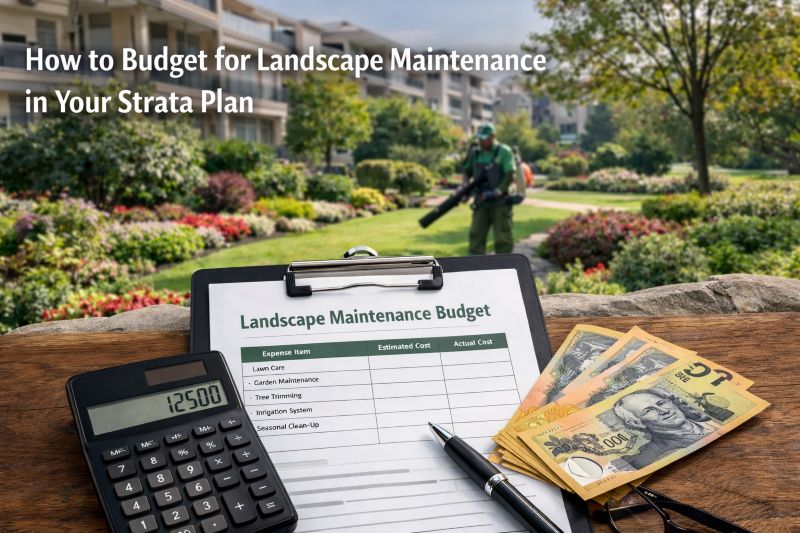
The ultimate guide for Sydney strata committees to balance budgets, boost property value, and comply with NSW legislation.
As the Annual General Meeting (AGM) approaches, strata committees across Sydney face a common dilemma: how to balance a strict budget with rising resident expectations for lush, sustainable gardens. A strategic strata landscaping budget is not just about keeping the grass green—it is a critical tool for compliance with NSW strata legislation, asset retention, and property valuation.
This guide outlines how to prepare a robust landscape maintenance budget that ensures approval at your next AGM.
Why Landscaping Needs a Strategic Spot on Your AGM Agenda
Landscaping is a high-impact asset that directly correlates to property valuation and resident satisfaction. Underfunding this area often leads to a “reactive cycle”—ignoring maintenance now leads to expensive renewal costs, water inefficiency, and declined curb appeal later.
By including a specific, well-reasoned landscaping line item during AGM preparation, committees demonstrate fiscal responsibility and foresight.
Step 1: Audit Your Current Landscape Performance
Before finalizing numbers for the upcoming financial year, you must evaluate the return on investment (ROI) of your current strategy. Sydney strata properties with inconsistent maintenance often face escalated renewal costs within just five years.
The Evaluation Checklist:
- Invoice Review: Analyze the previous year’s spend on landscaping contractors.
- Service Audit: Compare service frequency against plant health and sustainability outcomes.
- Safety Check: Inspect common areas for weed control issues, tree safety hazards, and irrigation leaks.
- Future Forecasting: Identify areas needing capital works funding, such as retaining wall repairs or mature tree replacement.
Step 2: Forecasting Costs for the Financial Year
Creating a realistic strata garden budget requires balancing routine maintenance with environmental regulations and economic factors. In Sydney, you must account for rising labor rates, equipment costs, and potential water restrictions.
Pro Tip: Consult your landscape manager early to confirm service inclusions. Transparency allows the Executive Committee to present accurate financials.
Key Budget Inclusions:
- Routine Maintenance: Mowing, edging, hedging, and pruning.
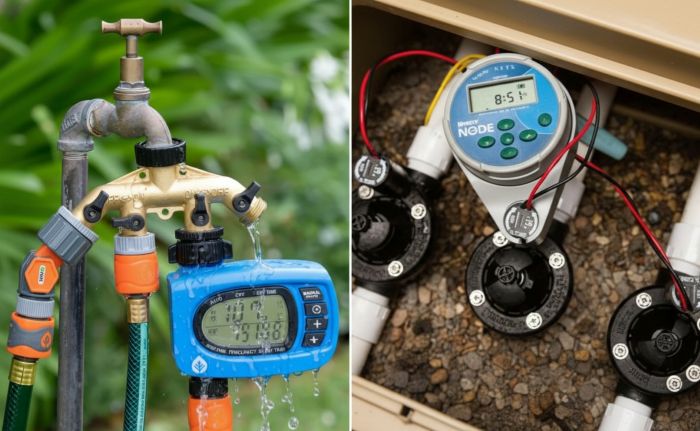
- Water Management: Irrigation repairs and usage reviews (adhering to Sydney Water guidelines).
- Plant Health: Fertiliser application and pest management programs.
- Aesthetics: Seasonal planting and mulching.
- Risk Management: Professional tree inspections and safety pruning.
- Asset Renewal: Replacement of deteriorated softscapes.
Step 3: Leveraging the Capital Works Fund
Many committees underutilize the Capital Works Fund for garden projects. However, under NSW Fair Trading guidelines, landscape enhancements that extend asset life or improve environmental performance often qualify.
Qualifying Projects Include:
- Sustainable irrigation system upgrades.
- Structural repairs to garden retaining walls.
- Major tree replacements that enhance environmental performance.
Using these funds for strategic improvements prevents the depletion of your administrative fund for major works.
Comparison: Old Methods vs. Strategic Budgeting
Understanding the difference between ad-hoc spending and strategic planning is key to winning owner support.
| Old Budgeting Method | Strategic Landscape Budgeting |
|---|---|
| Ad hoc maintenance with minimal planning | Predictive budgeting aligned with seasonal needs |
| Reactive repairs after damage or neglect | Preventative maintenance reducing long-term costs |
| Limited reporting to Owners Corporation | Transparent expenditure tracking and ROI reporting |
| Generic contractors with broad lists | Qualified landscape managers with strata expertise |
How to Secure Budget Approval at the AGM
Pre-AGM preparation is vital. To ensure owners understand the value of the proposed budget, follow these steps:
- Provide Visual Evidence: Use “before and after” photos or professional landscape reports to justify costs.
- Clarify Roles: Clearly define the responsibilities of the strata committee, building manager, and contractor.
- Present Comparative Quotes: Transparency builds trust. Show that you have sought value.
- Highlight ROI: specific examples of savings achieved through proactive care (e.g., lower water bills from irrigation fixes).
Common Pitfalls in Strata Landscaping Budgets
Committees often overlook hidden costs. Weather extremes, sudden tree failure, or soil erosion can decimate a tight budget. Always include a 10–15% contingency within the landscaping component to prevent mid-year special levies.
Watch out for:
- Underestimating irrigation infrastructure repairs.
- Ignoring local council vegetation controls and compliance fees.
- Insufficient funding for heritage area tree management.
Frequently Asked Questions (FAQ)
Can we use the Capital Works Fund for plants?
Generally, routine planting is an administrative cost. However, major replanting that renews the “asset” or structural landscaping often falls under Capital Works. Always check current NSW legislation.
How much should we budget for strata landscaping in Sydney?
This varies by property size, but a safe baseline is to review the previous year’s spend and add a percentage for CPI (Consumer Price Index) and a 10-15% contingency buffer.