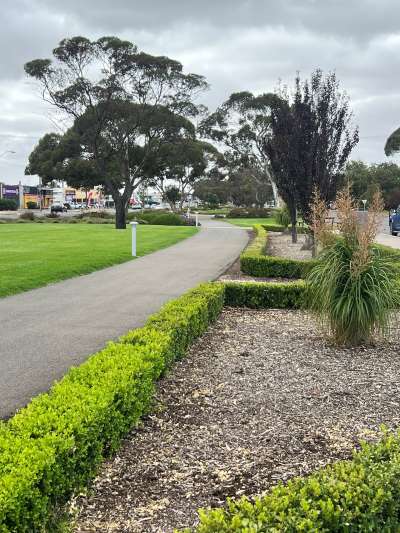
For many Sydney strata committees, strata landscape maintenance is too often viewed as a cost rather than an investment. Yet, the presentation and performance of your gardens and green spaces directly influence property values, resident satisfaction, and compliance under NSW strata legislation. A well-executed landscape strategy can yield measurable financial return—both in reduced long-term expenses and higher valuations.
Understanding the ROI of Strata Landscape Management
Landscape ROI extends well beyond visual appeal. A properly managed ecosystem supports structural integrity, optimises water use, and improves environmental sustainability credentials—all key points of differentiation in a competitive Sydney property market. Savvy committees look beyond short-term budgets to lifecycle performance and risk mitigation.
Key Drivers of Landscape Value
- Compliance: Meeting NSW environmental and safety obligations—including water efficiency and vegetation management—protects the scheme from costly fines. See NSW Fair Trading for strata obligations.
- Water Management: With Sydney’s variable climate, optimised irrigation, endorsed by Sydney Water, reduces waste and protects plant health.
- Asset Longevity: Preventative maintenance prevents expensive reactive costs like tree replacement or soil remediation.
- Resident Appeal: Green assets directly impact rental yields and resale interest, making landscaping a material financial factor.
Old vs. New: The Strategic Shift in Strata Landscaping
Historically, strata garden maintenance focused on appearance, mowing, and pruning. Modern strategies integrate asset management principles, data insight, and water-smart technologies to create sustainable systems that self-perform over time.
| Traditional Method | Modern Strategic Method |
|---|---|
| Reactive maintenance after issues arise | Proactive maintenance scheduling with seasonal forecasting |
| Manual irrigation based on timers | Smart irrigation driven by moisture sensors and weather data |
| Focus on short-term cost savings | Focus on lifecycle value and asset performance |
| Generic plant selections | Site-specific, drought-tolerant native species selection |
| Limited record-keeping | Comprehensive asset logs and soil health tracking |
Integrating Financial and Environmental Performance
Today’s investors and residents look for environmentally responsible living environments. Balancing sustainability and financial prudence is key. Strata committees should develop landscape policies aligned with the property’s long-term capital works plan, ensuring every dollar serves dual purposes: environmental stewardship and asset protection.
Smart Irrigation and Water Efficiency
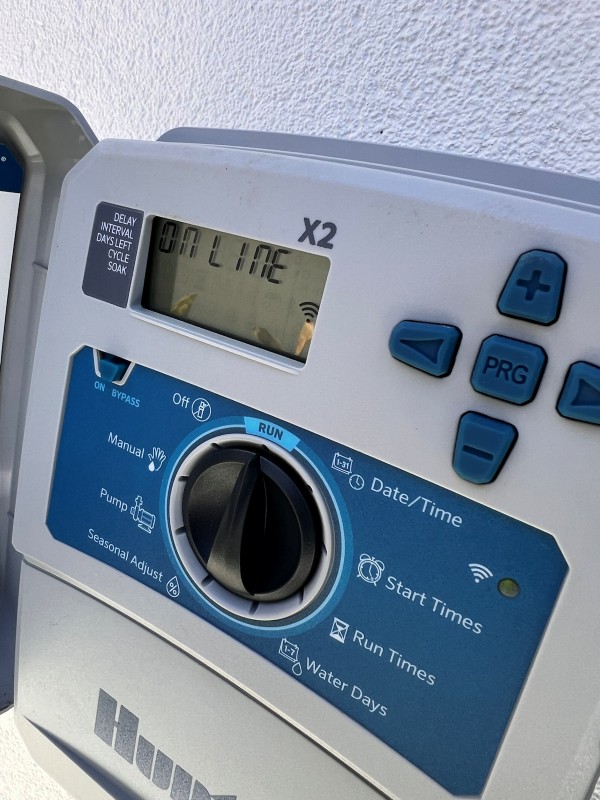
With Sydney’s periodic droughts and restrictions, advanced irrigation systems provide measurable ROI. Smart controllers, water meters, and soil sensors optimise resource use while maintaining lush, compliant gardens. Incorporating Sydney Water’s efficiency guidelines further enhances sustainability credentials.
Native and Low-Maintenance Planting
Strategic plant selection reduces both maintenance costs and failure risk. Native plants—suitable for Sydney’s microclimates—require less fertiliser and irrigation while supporting local biodiversity. They also convey a distinctly Australian aesthetic, enhancing the community’s sense of identity.
Budgeting and Governance for Strata Committees
Landscape expenditure must be structured as an asset management function rather than a discretionary cost. Ensure your strata budget includes scheduled enhancements, not just maintenance, to maintain relevance in Sydney’s fast-evolving property standards.
Practical Steps for Committees
- Commission a professional landscape audit every two years.
- Incorporate landscaping milestones into your 10-year capital works plan.
- Use performance-based contracts with measurable KPIs (soil tests, plant health, water efficiency).
- Adopt transparent reporting to demonstrate ROI to owners and tenants alike.
Ensuring Legal and Environmental Compliance
Under NSW legislation, strata committees hold responsibility for safety and maintenance across common property. This includes ensuring softscapes don’t obstruct sightlines, pose trip hazards, or violate bushfire and environmental planning laws. Collaborating with accredited landscape consultants ensures ongoing compliance and insurer confidence.
Conclusion: Turning Landscaping into a Growth Asset
Landscape management in strata environments isn’t just aesthetics—it’s governance, risk reduction, and asset enhancement. When Sydney strata committees treat green spaces as performance assets, the financial dividends are substantial, sustainable, and unmistakable.
Contact Garden Managers at www.gardenmanagers.com.au for a consultation.
Useful Research & Resources for Strata Committees
To help strata committees make informed, future-focused decisions about their landscape assets, the following high-authority resources provide practical guidance, compliance information, and environmental best practice relevant to Sydney conditions:
NSW Fair Trading – Strata Living & Common Property Responsibilities
A comprehensive overview of legal obligations for maintenance, safety, and environmental management across common property.
🔗 https://www.fairtrading.nsw.gov.au/housing-and-property/strata-and-community-living/strata-living
NSW Department of Planning & Environment – Urban Heat & Greening Strategies
Research into urban greening, tree canopy targets, and the long-term economic benefits of sustainable landscaping in NSW.
🔗 https://www.planning.nsw.gov.au/policy-and-legislation/urban-heat-and-greening
Strata maintenance company