Maximising ROI Through Sustainable Strata Landscaping in Sydney
For many Sydney strata committees, landscaping is often treated as a simple maintenance expense—a line item to be minimised. Yet, in a city defined by strict environmental regulations and premium property values, a well-executed landscaping plan is a strategic investment, not just a cost.
Sustainable strata landscaping is the practice of designing and maintaining communal gardens using water-sensitive design, native plant selection, and proactive asset management. For Sydney strata schemes, this approach directly impacts Return on Investment (ROI), ensures compliance with NSW by-laws, and improves long-term asset resilience.
This guide explores how shifting from reactive gardening to strategic landscape management can turn your green spaces into key value drivers.
The Financial Impact of Professional Strata Garden Maintenance
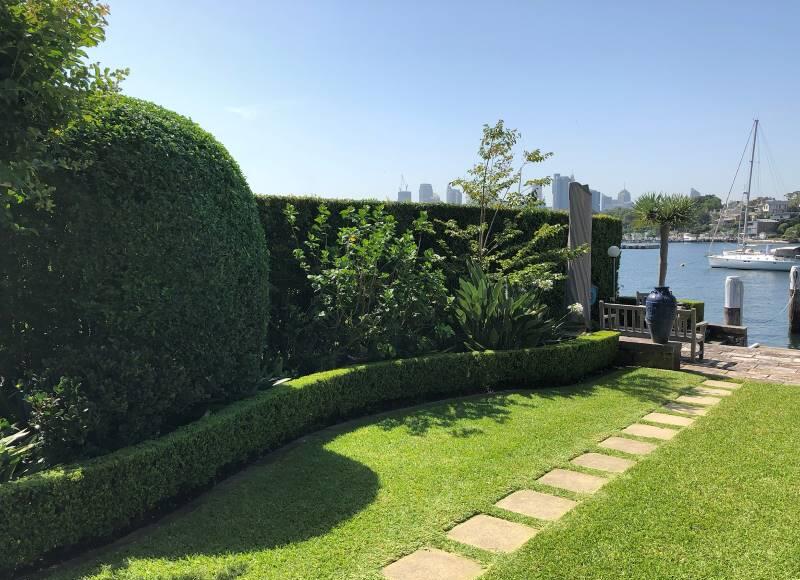
Strata landscapes are more than visual amenities; they shape first impressions and influence buyer perception. In competitive markets like the Eastern Suburbs, North Shore, and Inner West, buildings with thriving, sustainable landscapes command higher premiums and lower vacancy rates.
Professional strata landscape management ensures that limited sinking funds deliver measurable ROI. By focusing on longevity rather than quick fixes, committees can avoid the “replace and repeat” cycle that drains maintenance budgets.
Turning Landscaping into a Capital Strategy
Traditional budgets often overlook design efficiency. Strategic landscaping treats the garden as a capital asset, involving:
Water-sensitive design: Reducing reliance on potable water.
Forecasting: Predicting maintenance costs 5–10 years into the future.
Waste reduction: On-site composting and green waste management.
H2: Navigating NSW Compliance and Environmental Standards
Operating a strata scheme in New South Wales requires strict adherence to environmental statutes. Committees must navigate regulations from Sydney Water regarding usage restrictions and NSW Fair Trading regarding safety and asset upkeep.
Ignoring these standards can lead to unnecessary costs or penalties. A compliance-driven landscape strategy includes:
Smart Irrigation: Installing drip systems that meet Sydney Water’s “Water Wise” Guidelines.
Soil Health: Improving soil retention to minimise runoff, a key factor in NSW environmental protection.
Native Planting: Using species classified as non-invasive and drought-tolerant.
Pro Tip: Modern landscaping integrates green certifications and water-saving technologies. These features appeal to eco-conscious owners and tenants who increasingly factor sustainability into their property decisions.
| Aspect | Traditional Maintenance Approach | Sustainable Strata Landscaping |
| Water Consumption | High; relies on inefficient sprinklers and hand-watering. | Optimised via smart drip irrigation and moisture sensors. |
| Plant Selection | Generic exotics requiring frequent replacement/fertiliser. | Native, drought-tolerant plants suited to Sydney’s climate. |
| Maintenance Costs | Reactive, unpredictable, and labor-intensive. | Planned, preventative, and automated where possible. |
| Asset Value | Minimal improvement; acts as a drain on funds. | Enhanced through strategic design and curb appeal. |
| Regulatory Compliance | Often non-compliant or reactive to laws. | Fully Integrated with NSW environmental targets. |
Strategic Steps for Sydney Strata Committees
To deliver sustained financial performance, strata committees must treat landscape management as part of a broader asset management plan.
1. Conduct a Landscape Audit
Before spending money, identify inefficiencies. An audit reveals hidden costs such as water leaks, poor soil health, or inappropriate plant choices that increase labor hours.
2. Implement Phased Upgrades
You don’t need to do everything at once. Start with high-impact areas:
-
Phase 1: Upgrade to LED garden lighting and smart irrigation controllers.
-
Phase 2: Replace water-hungry lawns with native groundcovers.
-
Phase 3: Introduce communal areas like rooftop gardens to boost resident retention.
3. Partner with Specialist Consultants
Engage qualified strata landscape consultants who understand the Strata Schemes Management Act 2015. Unlike general gardeners, specialists can help integrate landscape upgrades into your 10-year capital works fund.
Frequently Asked Questions (FAQ)
Does sustainable landscaping actually increase strata property value? Yes. Studies consistently show that well-maintained green spaces increase property valuation. “Curb appeal” is a primary driver for attracting high-quality tenants and buyers in Sydney.
What are the water restrictions for strata properties in Sydney? Sydney Water restrictions vary by season and drought status. However, strata schemes using smart irrigation systems (drip lines with sensors) and rainwater harvesting are generally exempt from the strictest bans. Always check current rules at the NSW Government Planning Portal.
Can we use the Capital Works Fund for landscaping? Generally, yes. If the landscaping work involves renewing or replacing common property (e.g., installing a new irrigation system or structural retaining walls), it often falls under the Capital Works Fund rather than the Administrative Fund.
Conclusion: Investing in Value-Driven Landscapes
Sustainable strata landscaping isn’t just about keeping the gardens tidy—it’s a cornerstone of responsible asset management and financial stewardship for Sydney’s strata schemes.
Committees embracing this new era of strategic landscaping will benefit from reduced costs, improved property values, and stronger compliance outcomes.
Ready to Optimise Your Strata Scheme?
Don’t let your garden drain your sinking fund. Contact Garden Managers today for a comprehensive landscape audit. We help Sydney strata committees turn their green spaces into gold standards of sustainability and value.