Sydney’s unique climate nurtures lush residential gardens, but it also provides ideal conditions for garden pests. For property managers, homeowners, and strata committees, embracing organic pest control is key to keeping landscapes healthy, compliant, and appealing while avoiding harsh chemicals that can affect soil health and tenant well-being.
Understanding the Sydney Garden Pest Landscape
Different suburbs across Greater Sydney—from coastal Bondi to leafy Wahroonga—harbour distinct pest pressures. Typically, issues peak in the warm, humid months when aphids, caterpillars, and scale insects multiply rapidly. Early identification and intervention are crucial in avoiding costly landscape damage and unnecessary retreatments.
Common Pests and Their Symptoms
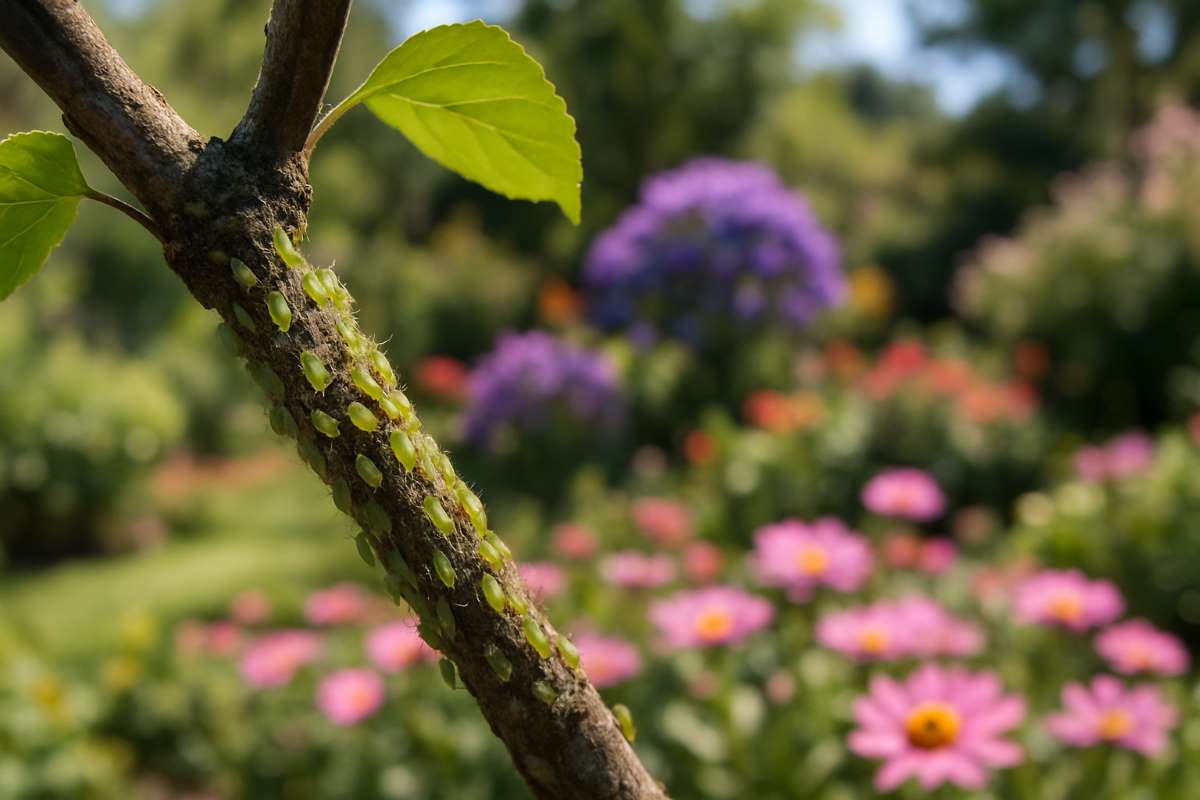
- Aphids: Tiny green or black insects clustering on new growth. Symptoms: curled leaves, stunted shoots.
- Whiteflies: Small white insects that rise when plants are disturbed. Symptoms: sticky residue and black sooty mould.
- Scale Insects: Small dome-like bumps on stems and leaves. Symptoms: yellow foliage and weakened plant structure.
- Root-Knot Nematodes: Microscopic roundworms affecting roots. Symptoms: poor plant vigor despite adequate fertiliser.
- Armyworms and Caterpillars: Leaf-chewing larvae found on lawns and ornamentals.
Organic Pest Prevention Foundations
Organic prevention strategies go beyond quick fixes—they focus on establishing a strong ecological balance that deters pests naturally. This approach aligns with sustainable landscaping policies and official Sydney Water advice on responsible urban garden management.
1. Strengthen Soil Health
A living soil supports natural predator populations that control pests. Include organic compost, aged manure, and seaweed-based soil conditioners to improve microbial activity. Healthy soil communities make plants less susceptible to pest damage.
2. Plant Biodiversity
Monocultures are pest magnets. Introduce companion plants such as marigolds, basil, and alyssum around main crops to attract ladybirds and parasitic wasps—nature’s own pest control agents. A biodiverse garden system stabilises itself without repeated chemical interventions.
3. Strategic Watering and Drainage
Overwatering invites pests such as fungus gnats and root rot pathogens. Consider drip irrigation and smart timers to maintain consistent moisture levels. Well-aerated soil enhances pest resistance and reduces fungal diseases.
Natural Remedies That Work
Organic control methods rely on precision timing and gentle intervention rather than broad-spectrum poisons. Each method targets specific pests while protecting beneficial organisms.
| Organic Remedy | Target Pest | Method of Application | Advantages |
|---|---|---|---|
| Neem Oil Spray | Aphids, whitefly, mealybugs | Spray dilute solution directly on affected foliage | Breaks pest reproductive cycle, biodegradable |
| Insecticidal Soap | Soft-bodied pests (aphids, mites) | Contact-spray during cool hours | Non-toxic to pollinators, quick acting |
| Garlic-Chilli Solution | Caterpillars, leaf miners | Homemade spray; apply weekly | Natural deterrent, cost-effective |
| Beneficial Nematodes | Soil-borne grubs | Apply in moist soil early evening | Long-lasting soil treatment |
Inspection and Monitoring Programs
For strata properties and managed communities, a structured pest monitoring program offers transparency and consistency. Implement monthly inspections and document conditions for auditing. Traps or sticky cards can aid in identifying outbreak hotspots before damage escalates.
Businesses and committees can further refine strategies by referencing CSIRO research on beneficial insect cycles and habitat enrichment.
Partnering with Certified Organic Pest Controllers
Licensed organic pest control professionals understand environmental sensitivities around apartment courtyards, rooftop gardens, and shared outdoor spaces. Their programs meet both EPA and local council requirements and minimise disturbance to tenants or pets. Avoid uncertified operators using unlabelled substances claiming to be ‘eco-friendly’—always check credentials and references.
Cost and Long-Term Financial Efficiency
Natural pest management often costs less over ten years than chemical programs when factoring soil health, plant replacement, and compliance management.
| Approach | Initial Cost | Five-Year Maintenance | Long-Term Return (10 Years) |
|---|---|---|---|
| Organic Strategy | Moderate | Low (minimal chemical inputs) | High—sustained soil fertility and reduced replanting costs |
| Chemical Program | Low | High (repeat applications) | Variable—declining soil health may increase long-term rehab costs |
Practical Steps for Strata Committees
- Integrate organic pest control policies into landscape service contracts.
- Schedule quarterly audits with qualified horticulturists.
- Educate residents on non-toxic treatment options and safe waste disposal.
- Record pest activity trends to support insurance or compliance reporting.
Summary: A Safer, Greener Path Forward
Effective organic pest control protects property value while supporting biodiversity in Sydney’s gardens. By combining identification, prevention, and treatment strategies, homeowners and strata committees can safeguard landscaped assets without compromising health or environmental integrity. Start building a complete natural pest management plan today— contact Garden Managers to arrange a professional consultation.
Visit www.gardenmanager.com.au for expert support and project planning advice.
Useful links:
Australian-based, government-verified pest and disease information