Sydney Strata • Water Costs • Irrigation Optimisation
Smart Water in Sydney Strata: Do Wi-Fi Sprinkler Controllers Really Save You Money?
Rising water costs, unpredictable weather, and ageing irrigation infrastructure can quietly inflate strata budgets. Smart irrigation can help — but only when the system is selected, installed, and commissioned properly.
Quick answer
Yes — Wi-Fi irrigation controllers can reduce strata water bills by adjusting watering to weather and site conditions, cutting overwatering, and improving visibility across garden zones. The biggest savings come when you fix leaks and pressure issues first, then commission the controller to match your landscape and permitted watering windows.
Many Sydney strata schemes run complex gardens: podium planters, shaded courtyards, windy edges, lawns, hedges, and native zones — each with different water needs. Traditional “set and forget” timers rarely suit that reality, and small inefficiencies can compound into large annual costs.
What “smart irrigation” actually means
Smart irrigation goes beyond a basic timer. A Wi-Fi controller can adjust run times and schedules using inputs such as local weather, rainfall probability, seasonal settings, and (optionally) soil moisture or flow monitoring.
Weather-responsive scheduling
Automatically reduces watering when rain or cool conditions are expected.
Remote control
Make changes from a phone or dashboard instead of sending someone on-site.
Reporting & accountability
Zone history, runtime logs, and clearer evidence for committee decisions.
Optional leak/flow alerts
Some setups can flag abnormal flow patterns before bills blow out.
Why the old way quietly costs you more
Standard controllers water on fixed schedules regardless of rainfall, soil moisture, wind, or seasonal change. In strata, the hidden costs are usually a mix of waste, complaints, and reactive maintenance.
- Overwatering drives higher usage and can weaken plant health over time.
- Run-off and overspray wastes water and triggers resident concerns (and can breach guidelines).
- Reactive call-outs increase contractor hours for basic schedule changes.
- No visibility means leaks or misaligned heads can persist for weeks.
Smart controller vs standard timer
A quick, committee-friendly comparison.
| Area | Standard timer | Smart Wi-Fi controller |
|---|---|---|
| Scheduling | Fixed run times | Adaptive run times based on weather/season settings |
| Access | On-site only | Remote control via app/portal |
| Compliance effort | Manual updates required | Easier to maintain permitted watering windows centrally |
| Visibility | Limited insight | Logs, zone history, and exception reporting (platform-dependent) |
| Maintenance | Reactive call-outs | Fewer “simple change” call-outs; optional alerts with sensors |
Sydney context: restrictions and compliance
Sydney has clear guidance around responsible watering (including permitted times and expectations to avoid run-off and overspray). A smart controller won’t “auto-comply” by itself, but it can make compliance easier because schedules are centrally managed and easier to adjust quickly.
Committee note
If you upgrade, plan for a short commissioning period (typically 6–8 weeks) where run times are tuned to the site. That’s where savings are won or lost.
ROI: how much can you really save?
Payback depends on current waste levels (leaks, overspray, overwatering) and how well the system is commissioned. On sites where irrigation has drifted over time, ROI can be strong because you’re removing recurring waste rather than chasing one-off improvements.
A simple strata ROI model
Use this to create a sensible, conservative business case.
- Water savings estimate = last 12 months irrigation water cost × conservative saving rate
- Labour savings = fewer schedule-change call-outs + fewer reactive checks (hours × rate)
- Total annual savings = water savings + labour savings
- Payback period = total project cost ÷ total annual savings
Tip: committee-friendly assumptions beat optimistic projections. If the numbers still work conservatively, approval becomes easier.
Factors that influence ROI most
- Garden size and zoning: multi-zone sites typically benefit more.
- Existing system condition: leaks/pressure issues can dwarf any “smart” savings if left unresolved.
- Tariffs and usage: higher usage magnifies the benefit of optimisation.
- Governance: if no one owns tuning and seasonal changes, savings drop.
How to position this for strata approval
The easiest way to win approval is to position smart irrigation as asset protection and operating cost control, not a “nice to have”.
Cost control
Less overwatering, fewer “simple change” call-outs, better scheduling discipline.
Risk management
Fewer run-off issues, fewer complaints, clearer records and accountability.
Asset protection
Healthier plants and soil, reduced erosion risk, better long-term landscape outcomes.
Benefits beyond the water bill
- Data transparency: clearer zone history and runtime reporting for committees and managing agents.
- Remote control: pause or adjust quickly after storms or during site works.
- Better plant health: more consistent watering reduces stress and can lower pest/disease pressure.
- Stronger contractor performance: reporting makes “set and forget” harder to hide.
Implementation checklist (Sydney strata)
Smart irrigation works best when you treat it as a system upgrade, not just a controller swap. Fix the hydraulics first, then commission the technology.
Suggested rollout steps
- Audit the existing system: zones, head types, pressure, leaks, wiring, controller condition.
- Repair fundamentals: broken heads, misalignment, valve faults, pressure regulation issues.
- Select the right controller: number of zones, access levels, reporting, expansion options.
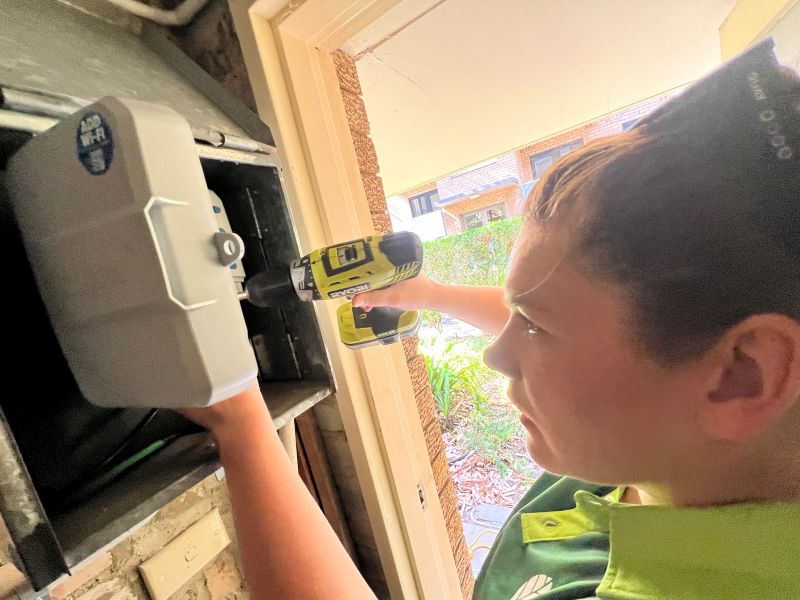
- Plan connectivity: Wi-Fi coverage or alternative connection options at the controller location.
- Commission properly: set baselines for each zone (plant type, exposure, soil, precipitation rate).
- Monitor for 6 months: adjust schedules based on actual performance and seasonal change.
- Quarterly tune-ups: Sydney conditions shift quickly — keep settings current.
Common pitfalls that kill savings
- Installing smart tech without fixing leaks and pressure faults.
- Leaving default settings (no zone-by-zone tuning).
- No nominated owner for seasonal adjustments and reporting checks.
- Poor connectivity planning (basements and plant rooms are frequent trouble spots).
FAQs
Do we need Wi-Fi at the controller location?
For full smart features (remote access, syncing, reporting), yes. If coverage is poor, plan connectivity early — many strata controllers sit in basements or plant rooms.
Will a smart controller automatically keep us compliant?
It makes compliance easier, but it’s not “set and forget”. You still need commissioning, seasonal adjustments, and checks to prevent overspray and run-off.
How fast is payback in strata?
Sites with obvious waste (leaks, overspray, constant manual tweaks) usually see faster payback than already-optimised sites. Correct setup and monitoring are the deciding factors.
What’s the best first step?
A professional irrigation audit. It identifies leaks, pressure faults, zone issues, and whether a smart controller will deliver a genuine return.
Conclusion
Wi-Fi sprinkler controllers can deliver measurable savings for Sydney strata — not just by reducing water use, but by improving visibility, reducing reactive call-outs, and keeping watering practices disciplined as conditions change. If operating costs are climbing and the irrigation system is ageing, smart irrigation is increasingly a practical standard rather than a luxury.
Want a strata-ready audit + ROI summary?
We’ll assess zones, pressure, leaks, and controller options — then provide a clear improvement plan and conservative payback assumptions for your committee pack.