
Sydney’s Royal Botanic Garden is a heritage-listed 30-hectare botanical garden on the edge of the CBD . The lush greenhouse path above hints at how vibrant a home garden can become, with tropical ferns and palms mixing with hardy native shrubs. This historic garden is one of Australia’s oldest botanical institutions and showcases dozens of native species up close. Eastern suburbs homeowners can draw inspiration from this bold mix of textures, flowers and foliage in their own home garden design.
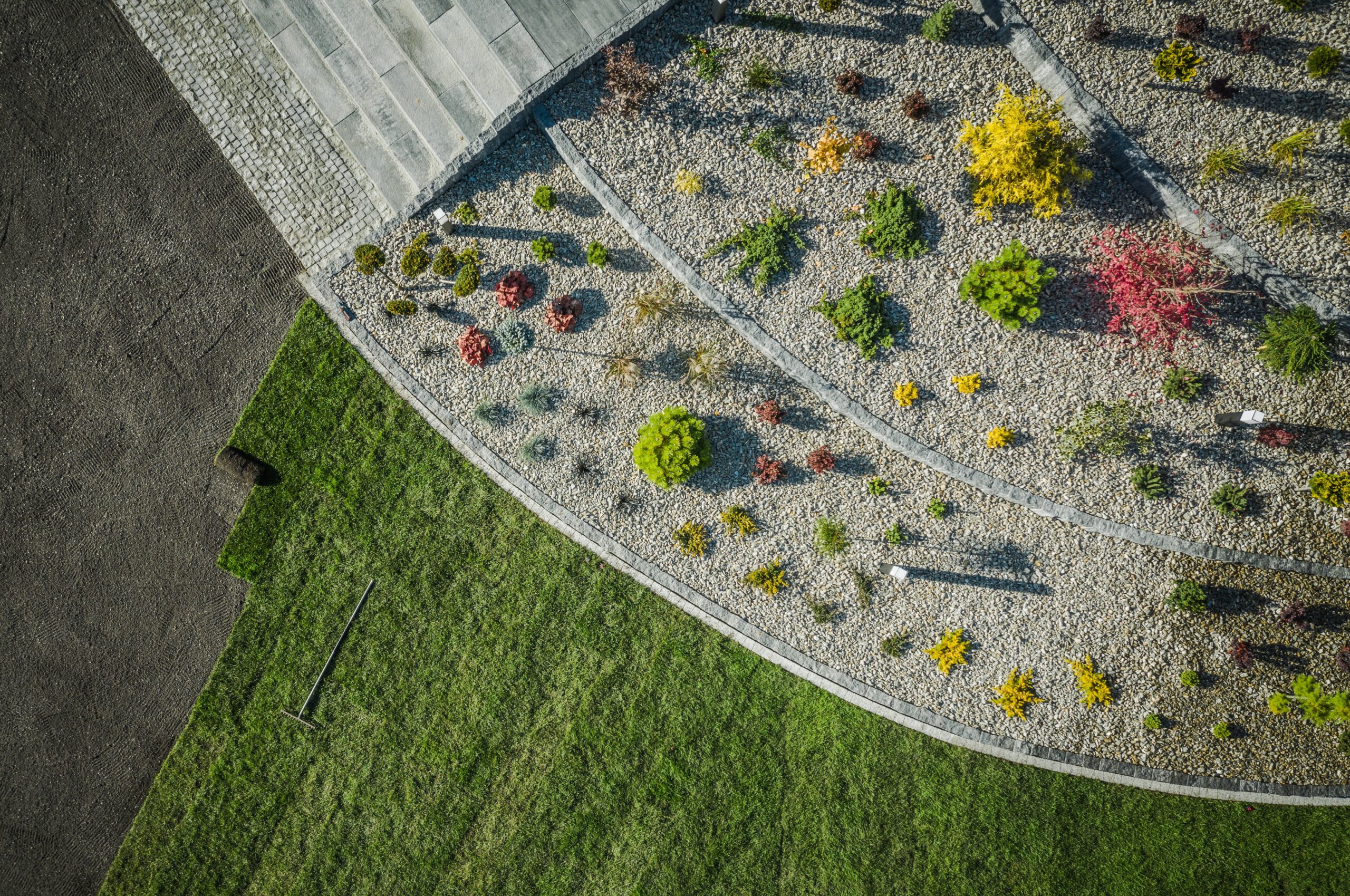
Why Native Plants Are Perfect for Your Home Garden Design
Native plants are vital for our local environment, since they “support native animals and protect soils and water” . In Sydney’s Eastern suburbs, many species have evolved for the coastal climate and sandy soils. Using indigenous plants (those naturally found along the Eastern Beaches) means a garden that’s more resilient and needs less work: as Waverley Council notes, a garden planted with local natives tends to be “more resilient to the [local] climate and cheaper to maintain” . By choosing hardy Australian shrubs and trees, you often need less watering overall . For example, group plants by similar water needs and pick drought-tolerant natives to minimise outdoor water use . Remember, many natives evolved in poor soil, so strong fertilizers aren’t needed and can even harm them . In short, a native-focused home garden design translates into a colorful space that supports wildlife and saves you time and money on maintenance.
Garden Managers Quick Tips for Home Garden Design
- Garden Managers Quick Tip 1: Choose hardy native plants suited to Sydney’s coastal climate, and group them by water needs. This way you can water more efficiently and keep everything healthy.
- Garden Managers Quick Tip 2: Lay down a 5–8 cm layer of organic mulch around new plants. Keep it a few centimetres from the stem in a shallow “bowl” shape. Mulch will suppress weeds, retain moisture, and funnel water to roots.
- Garden Managers Quick Tip 3: Water new plants deeply for 6 weeks after planting, then taper off. A thorough soak each time is better than frequent light sprinklings; this helps plants establish deep roots for Eastern Sydney’s well-drained soil.
- Garden Managers Quick Tip 4: Add pops of color with flowering natives like waratahs, grevilleas, banksias or bottlebrushes . These plants bloom with bright flowers that attract nectar-loving birds and pollinators, making your garden lively and beautiful.
- Garden Managers Quick Tip 5: Avoid high-phosphorus fertilizers. Many native plants thrive in lean soils . If you do feed, use a low-phosphorus native blend sparingly to keep plants healthy without encouraging weeds.
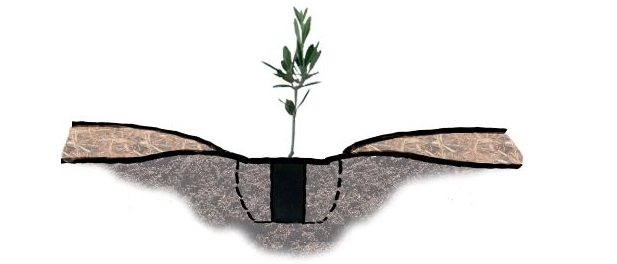
When planting young native shrubs, dig a hole as deep as the pot and 2–3 times as wide. As shown above, place the tubestock in soil (never set it in mulch) and backfill firmly. Then cover the area with mulch in a shallow ring about 7 cm deep, keeping it away from the stem . This method funnels water to the roots and keeps weeds down – a simple trick to help your new plants get established in Sydney’s sandy Eastern suburbs. If you unsure about planting we recommend to use professional gardener in Sydney.
Top Australian Plants for Eastern Suburbs Home Garden Design
A waratah (Telopea speciosissima) is one of NSW’s most iconic native flowers. These large shrubs produce vivid red blooms (sometimes pink or white) that attract native birds . Adding a waratah to your home garden design makes a stunning focal point. Grevilleas (spider flowers) are another great choice – they come in dozens of varieties and colors, and their spidery flowers draw bees, butterflies and nectar-feeding birds . Many grevillea cultivars thrive in Sydney’s coastal gardens, providing long-lasting color and wildlife habitat.
Banksias and eucalypts are staples of the Eastern NSW landscape. Banksias bear cylindrical flower spikes packed with nectar; when in bloom they add colour and feed native bees, birds and even small mammals. Try planting a coastal banksia or bottlebrush garden to enjoy blooms in yellows, oranges or reds. Likewise, several native eucalypts (“gum trees”) suit Sydney’s climate – their creamy-white blossoms in spring supply nectar to lorikeets and native bees . Finally, don’t overlook the bottlebrush (Callistemon) shrub: its bright red, brush-like flowers appear for much of the year, and it’s famously hardy. Bottlebrushes are easy-care and provide food and shelter for nectar-eating birds and other wildlife, making them perfect for a low-maintenance eastern Sydney garden.
Home Garden Design Maintenance Tips
Even maintenance is easy with these natives. Prune plants sparingly – as one council guide explains, only trim back the fresh green shoots each season to encourage bushier growth . (Most Australian natives don’t reshoot well from old wood, so leave the older stems intact.) Because native plants prefer poor soils, avoid heavy chemical fertilizers; if you feed at all, use a low-phosphorus native fertilizer or simply compost.
By following these simple care rules, your Eastern Suburbs garden will stay healthy and vibrant with minimal effort, letting you enjoy the beauty of your Australian plant-filled design year-round.



Leave A Comment